
National Impact
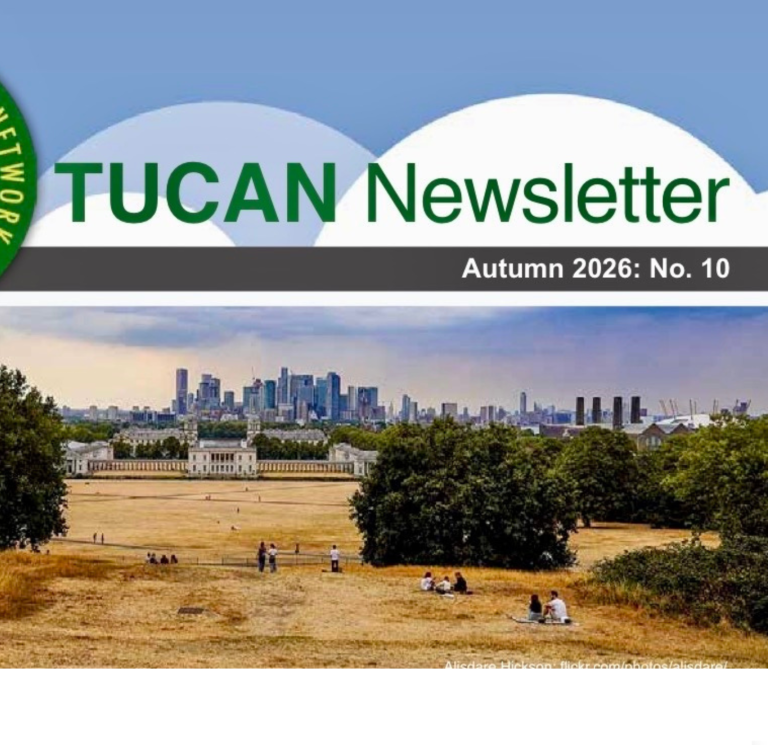
Safe Air Schools and the Trade Union Clean Air Network (TUCAN)
TUCAN highlights Safe Air Schools' Contribution to Allergy Safety Guidance in their latest newsletter
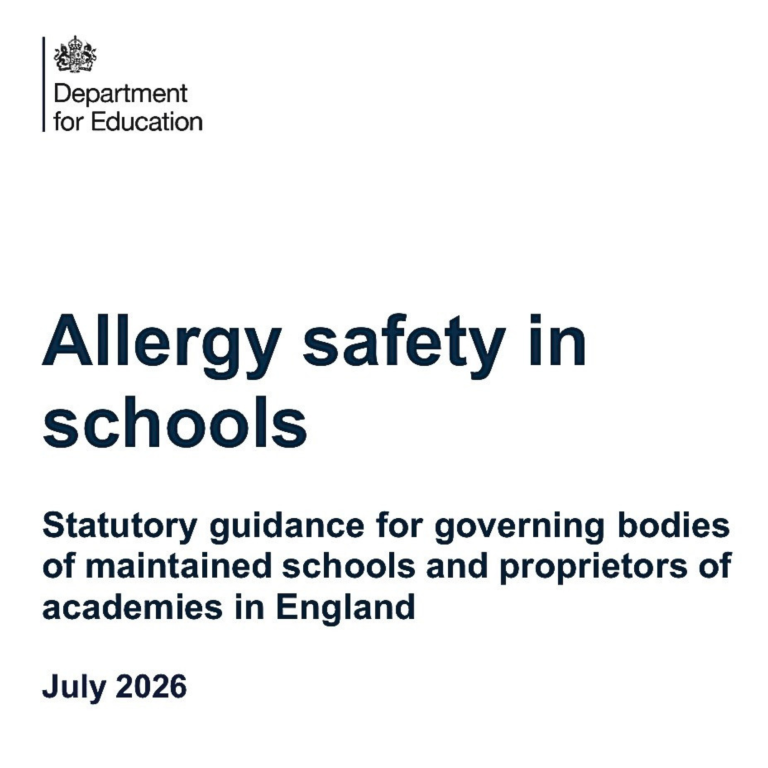
Published Statutory Guidance
Invited to contribute to the Department for Education's statutory guidance on allergy safety in schools through the National Allergy Strategy working group, helping bring evidence and research into national discussions on children's health and air quality in schools.
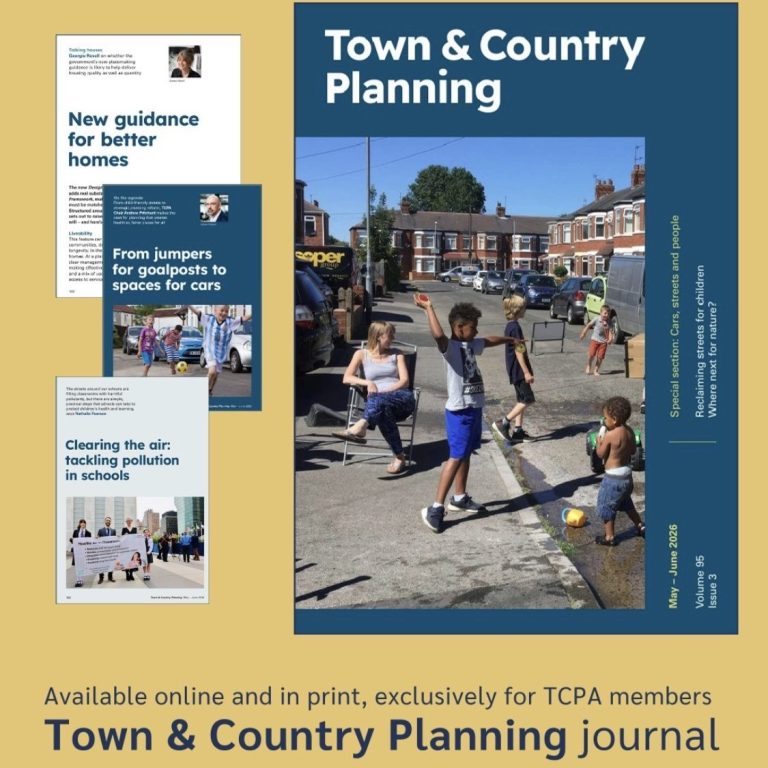
Commissioned Feature
We are honoured that our founder, Nathalie, was commissioned by the TCPA to write a feature for its special edition, Cars, Streets, and People, helping bring evidence and practical insight on healthy indoor air in schools to a national audience.
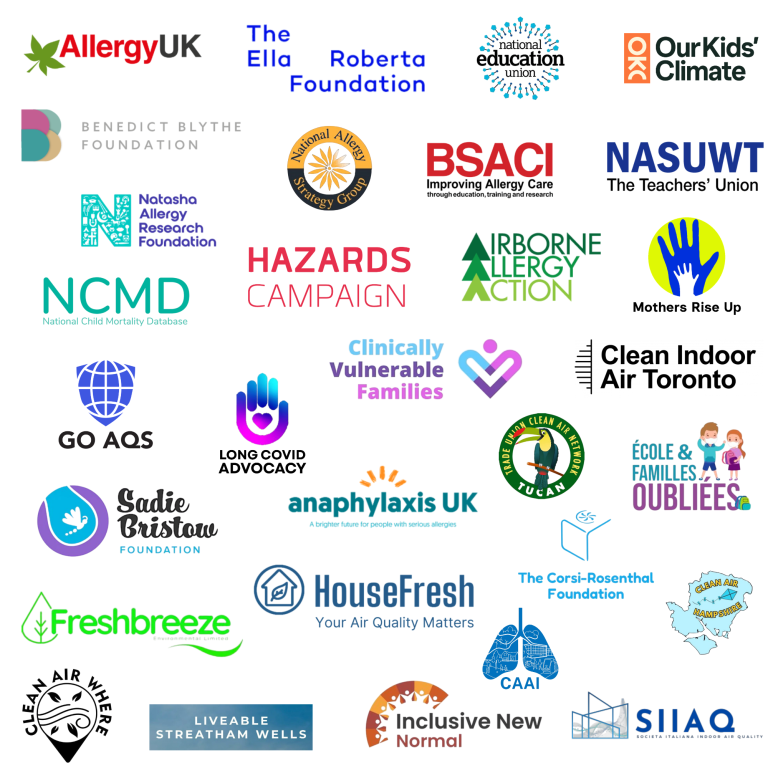
Open Letter
Safe Air Schools co-ordinated a national open letter bringing together leading organisations, experts and supporters to call for action on classroom air quality and children's health in schools.
Draft Statutory Guidance
Safe Air Schools Founder was invited to contribute to the development of the draft statutory guidance on supporting children and young people with medical conditions and allergies, helping bring evidence and research into national policy discussions.
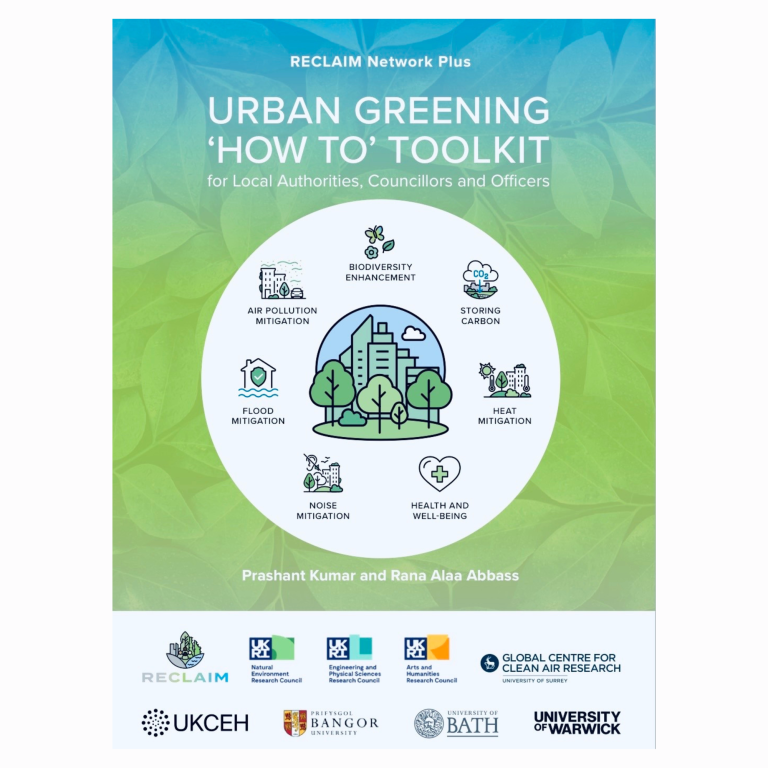
Urban Greening Toolkit Development
Part of the team contributing to the development of the Urban Greening Toolkit, helping to translate research into practical guidance for local authorities and communities.
National Allergy Strategy Contribution
Safe Air Schools contributed to the UK National Allergy Strategy through the Indoor and Outdoor Air Working Group. Our input informed recommendations on indoor air quality, ventilation, filtration, public awareness, and healthier school environments, and highlighted the need to strengthen occupational health standards and reduce workplace exposure to allergens and air pollutants. This sets out a shared vision for reducing exposure to allergens and air pollution across the UK, helping protect children's health and support inclusive education.
Featured in The iPaper
Our founder contributed to a feature on classroom air quality, highlighting challenges that schools face. Closing windows traps heat, carbon dioxide and indoor pollutants, while opening them can increase exposure to outdoor pollution and high temperatures. The feature raised awareness of the need for practical evidenced-based solutions.
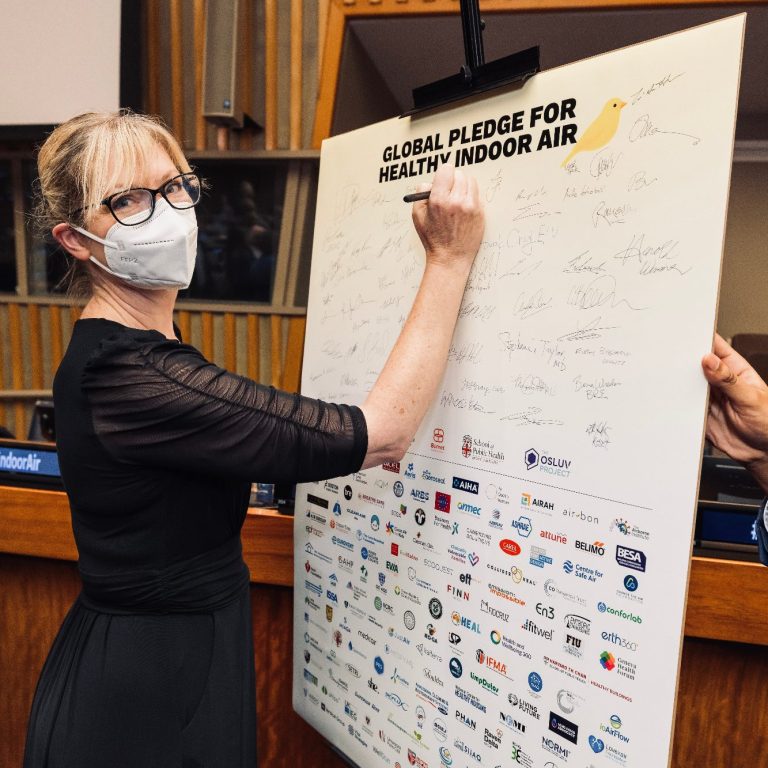
United Nations Headquarters, New York
Nathalie is a founding signatory of the first Global Pledge for Healthy Indoor Air, launched at the United Nations in New York. She was honoured to be invited to attend following the global reach of an article she had written on the subject. With the full support and permission of their schools, our Junior Indoor Air Quality Champions also took part, ensuring that not only were children's voices included but they were also placed at the heart of the conversation.

Donate to Support Safe Air Schools
Community Interest Company No. 16405838. Registered Office: Southgate Chambers, 37 Southgate Street, Winchester, Hampshire. England, SO23 9EH
©2026 Safe Air Schools UK CIC