
.
.
Hampshire
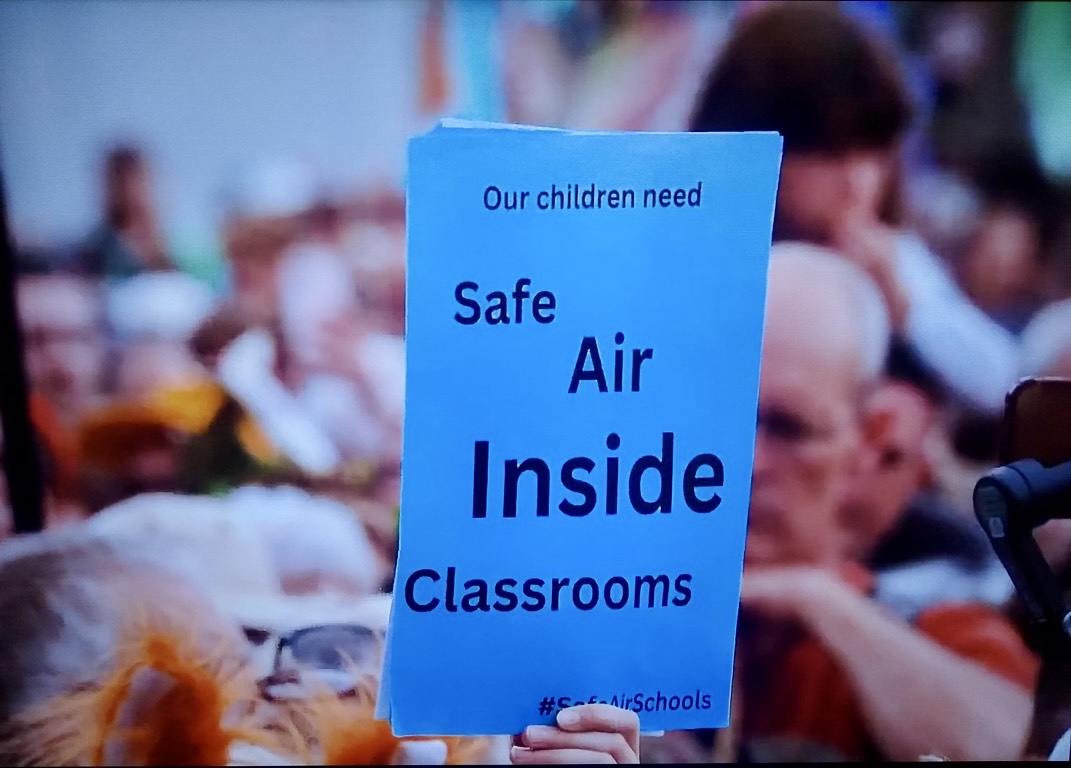
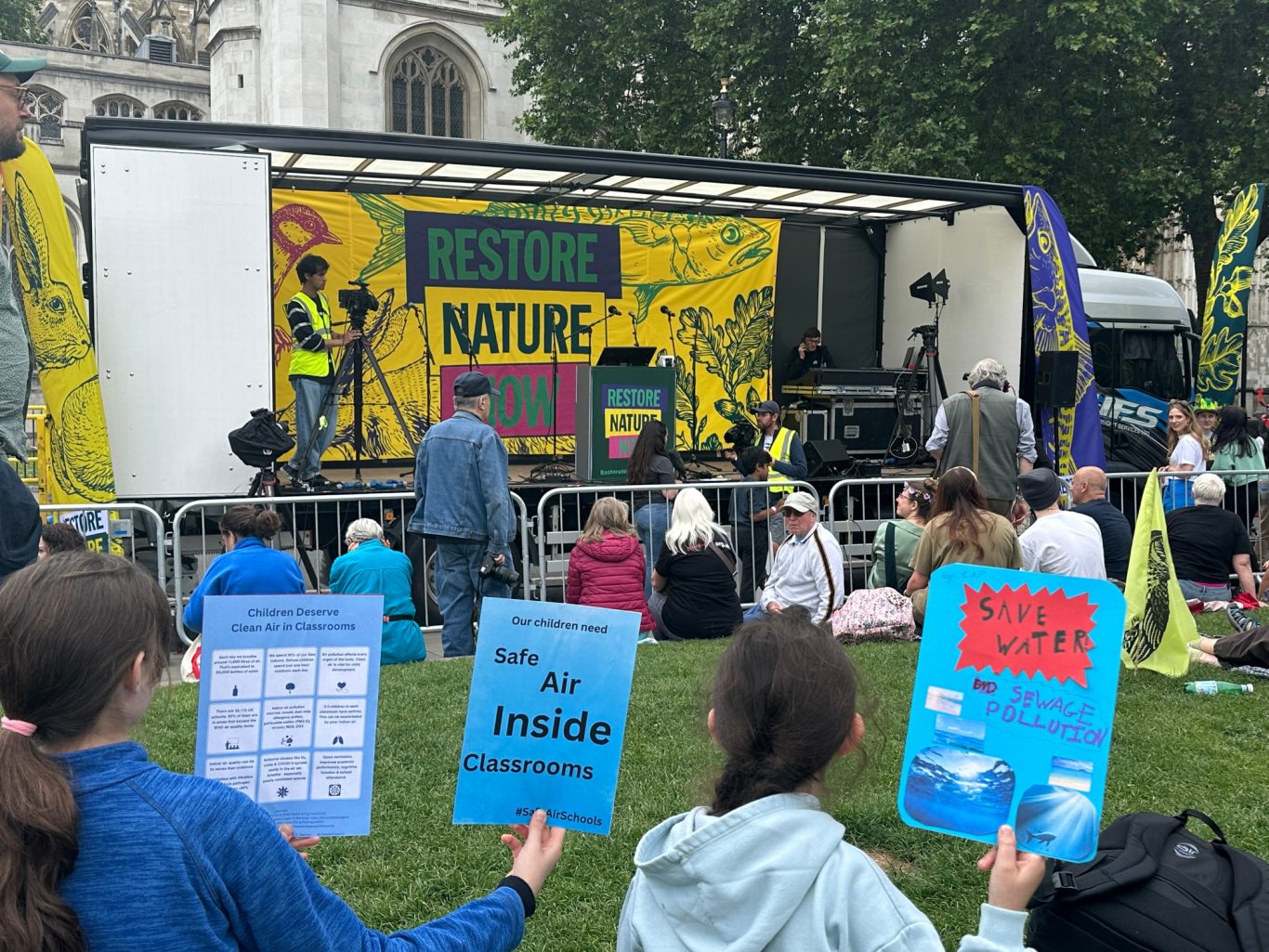
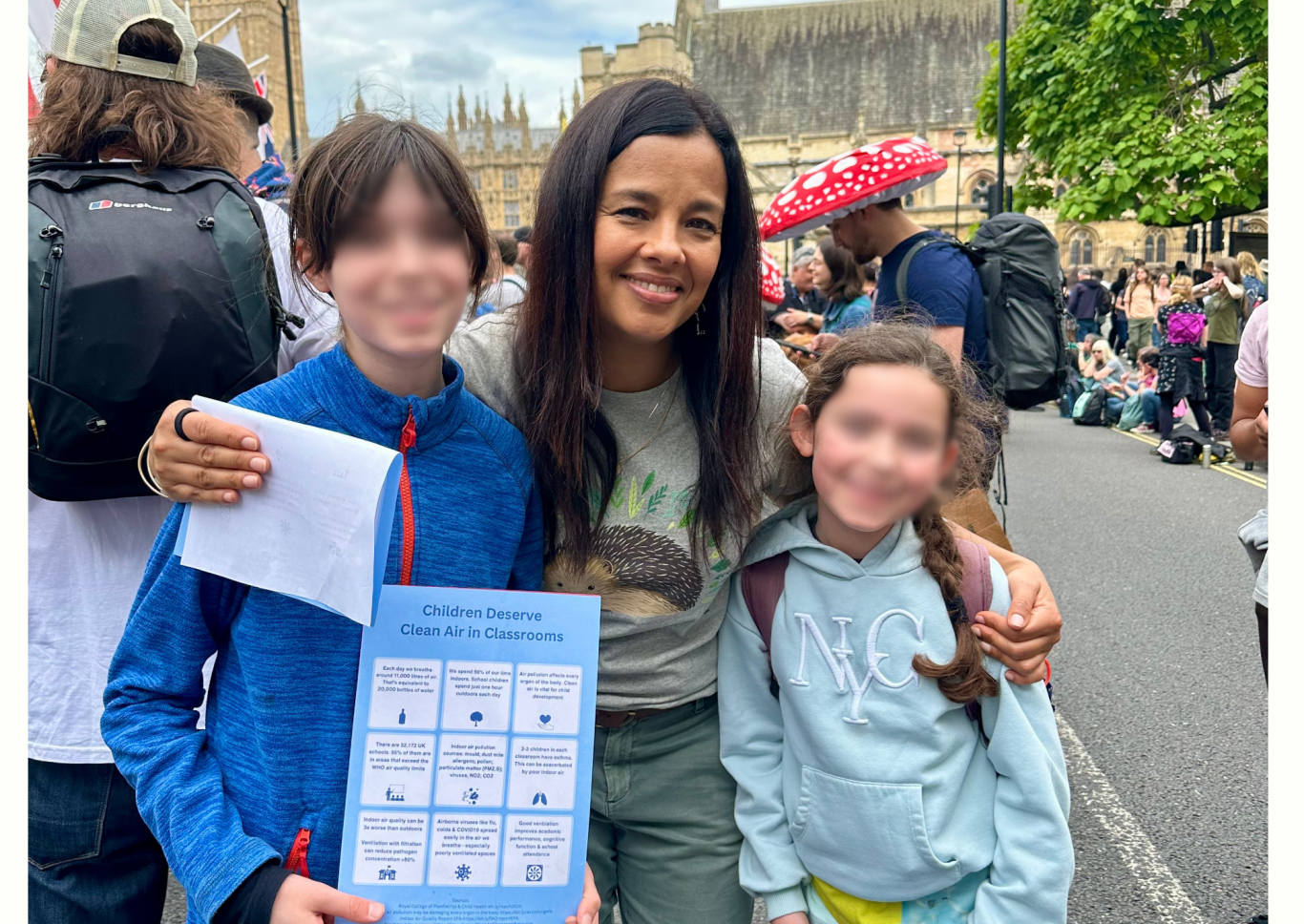
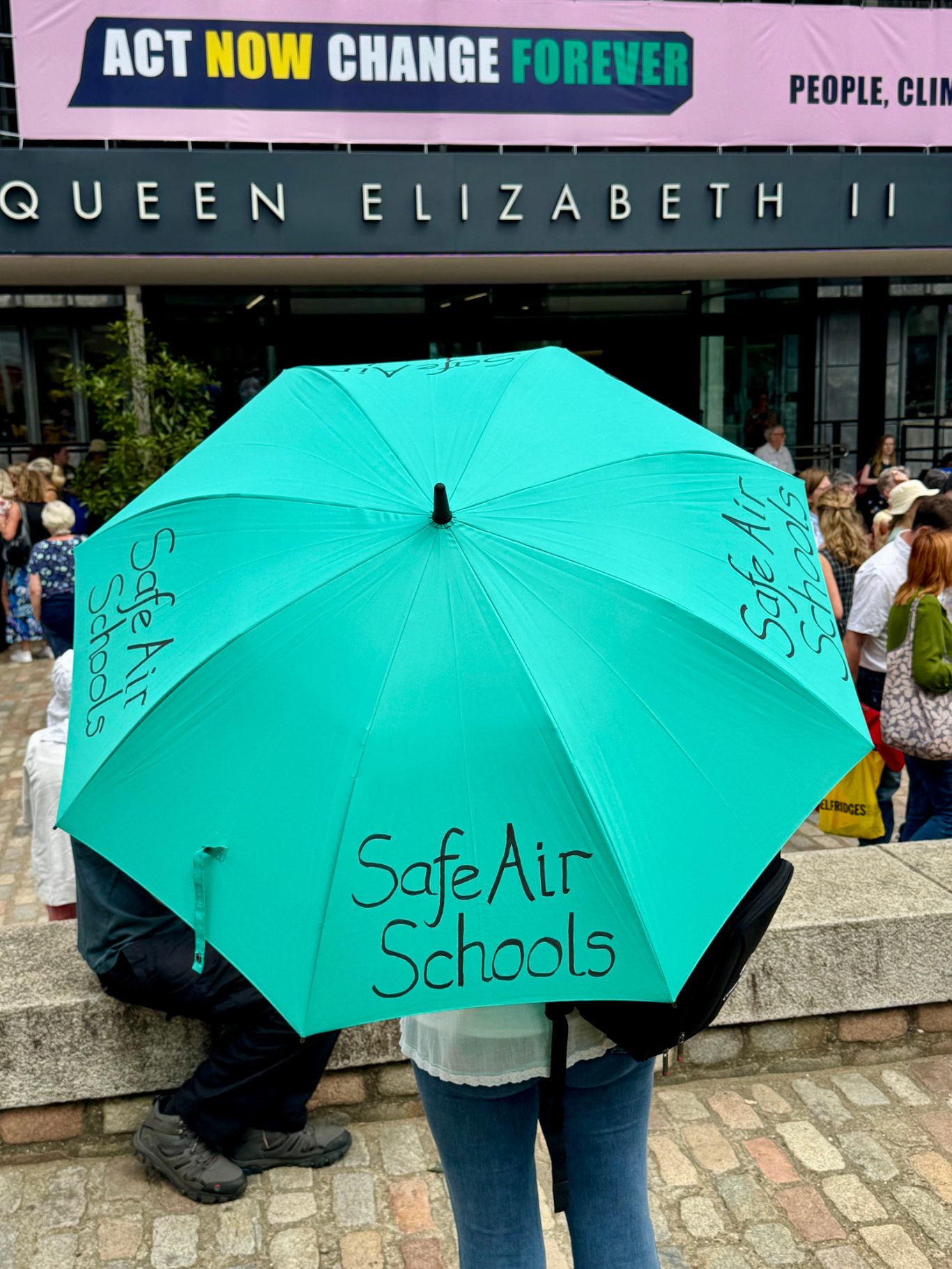
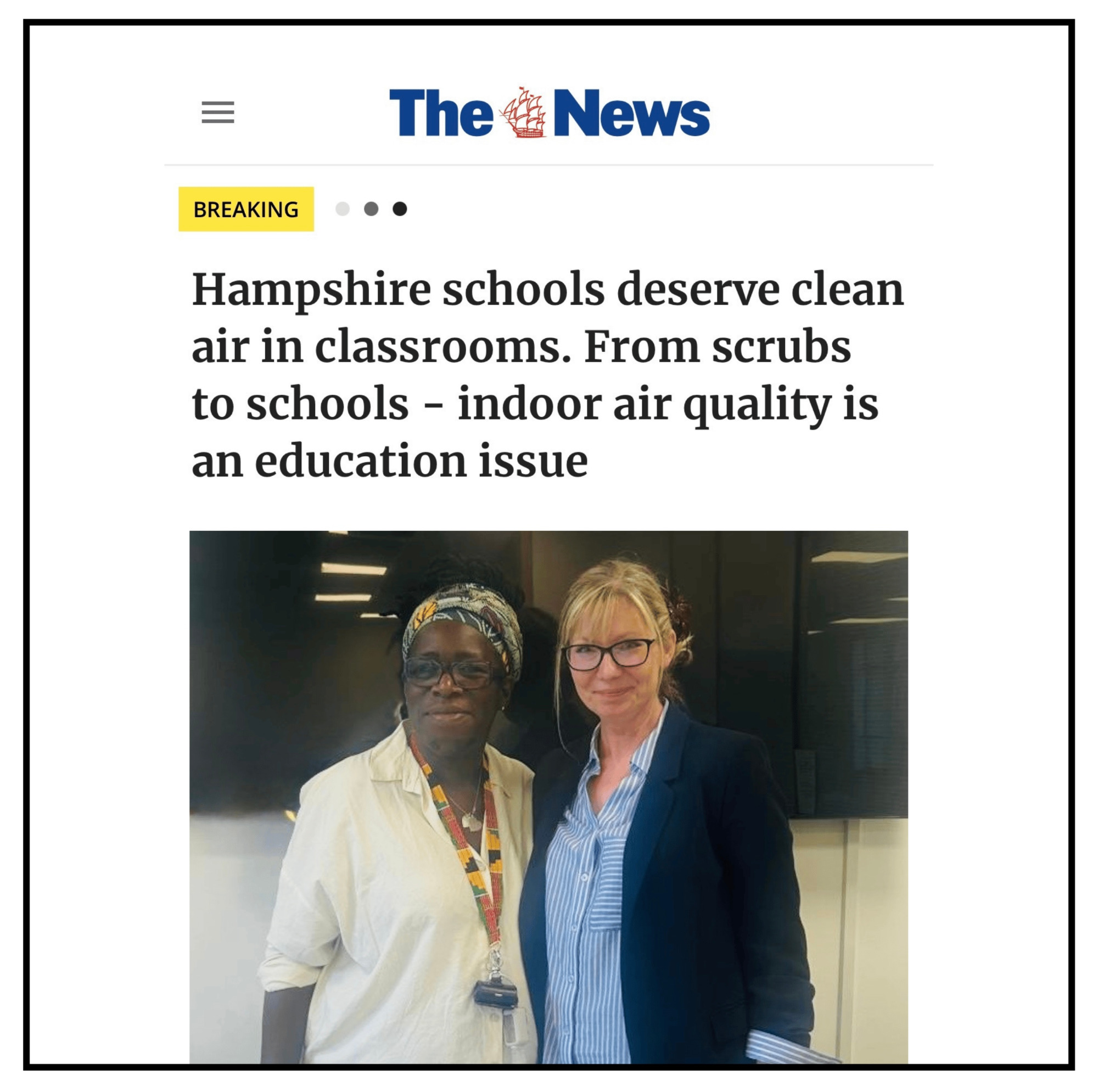
Safe Air Schools was founded in Hampshire by Nathalie Pearson, building on three years of developing educational resources for schools, parents, and policymakers. What began as a poster for a local march and a flyer for a Hampshire MP has grown into a practical blueprint for community action. By sharing the tools, resources, and lessons learned, Safe Air Schools hopes to inspire and empower others to take action to improve air quality in their own communities.
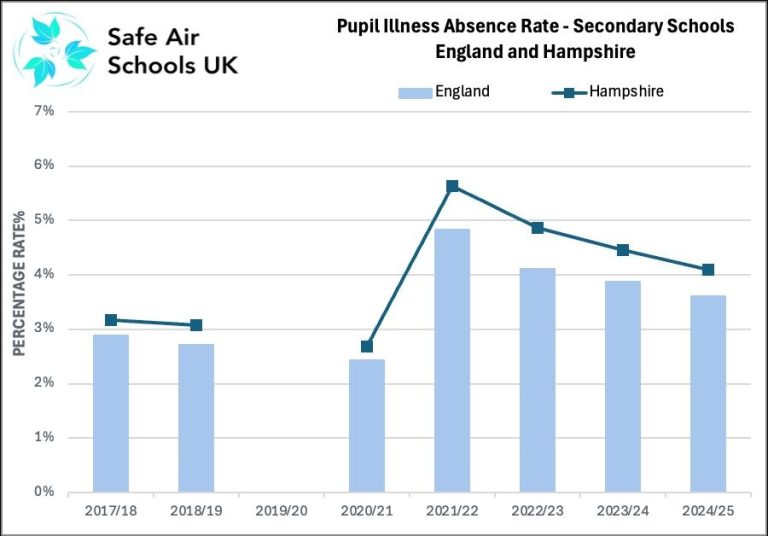
Illness absence in secondary schools in Hampshire exceeds the national average
DfE data
Local Action
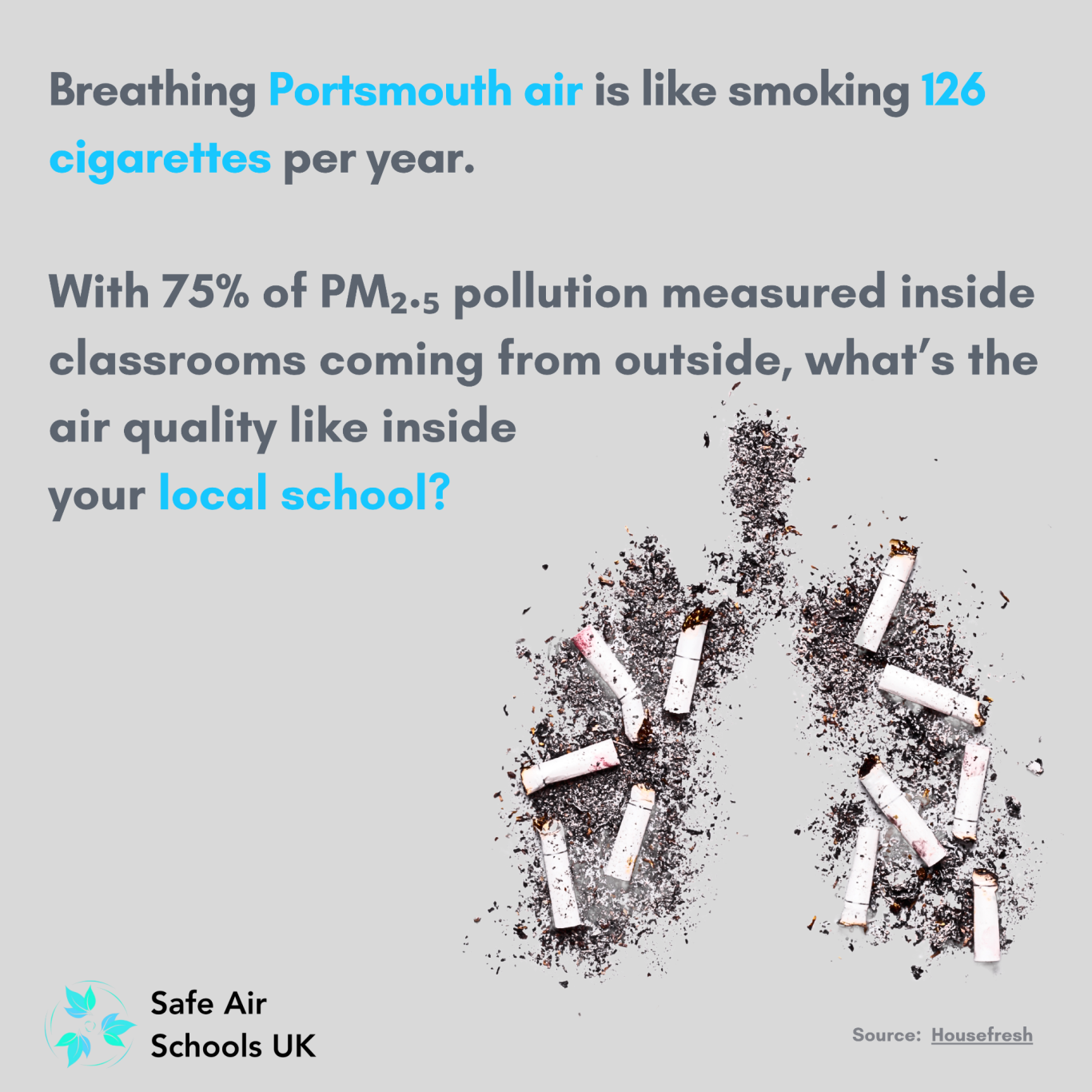
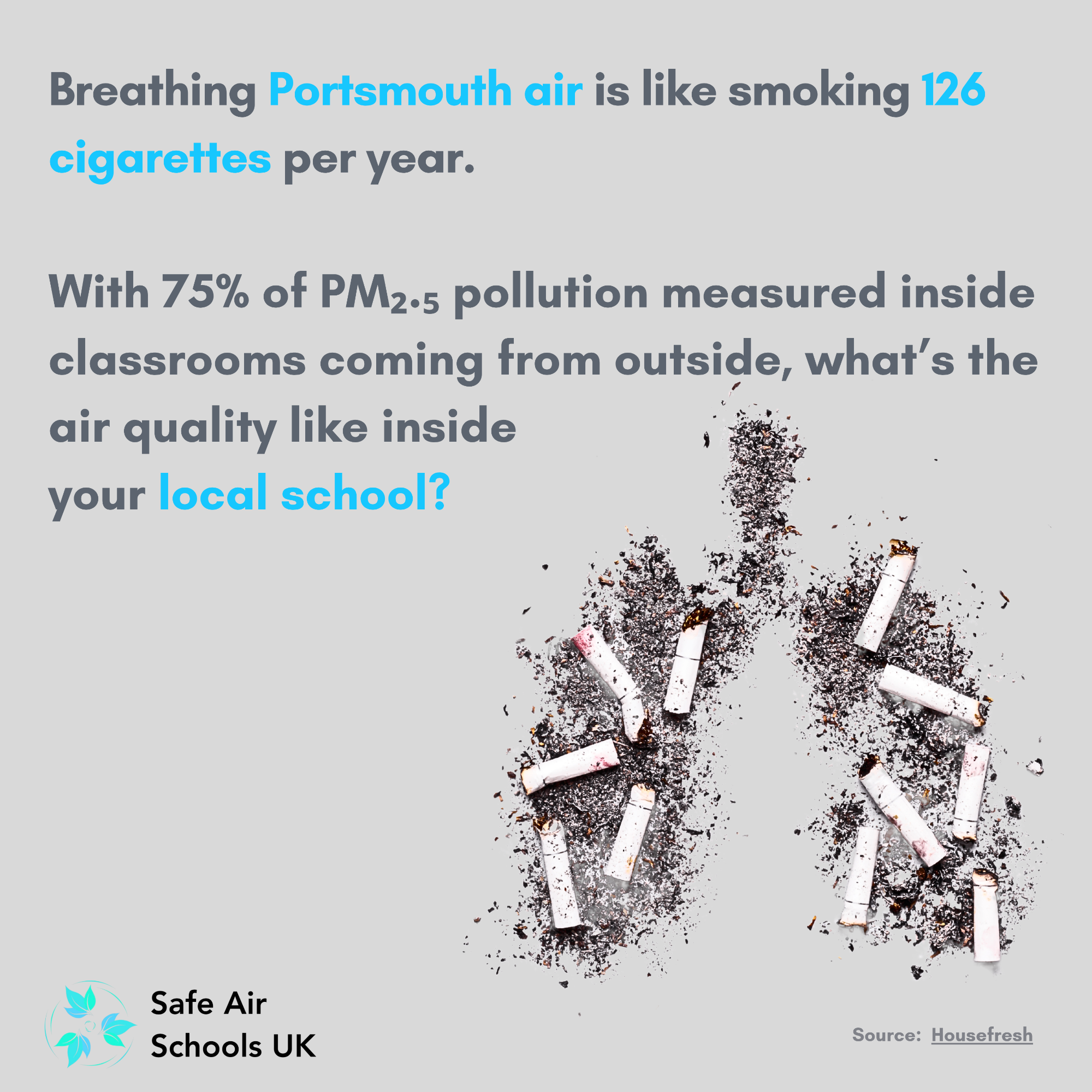
Every school is different, so the air quality inside classrooms will vary, too. Likewise, school buildings open onto playgrounds where air quality varies by location. In Hampshire, for example, air pollution is a significant issue, particularly in Portsmouth, due to a dense population, port operations and traffic congestion. No matter the outdoor air quality where you are, work will be underway. Immediate action has been urged in Portsmouth.
Age and design of the building
Older or poorly designed buildings may have fewer opening windows, sealed windows, or layouts that make it difficult for fresh air to move through classrooms.
Ventilation
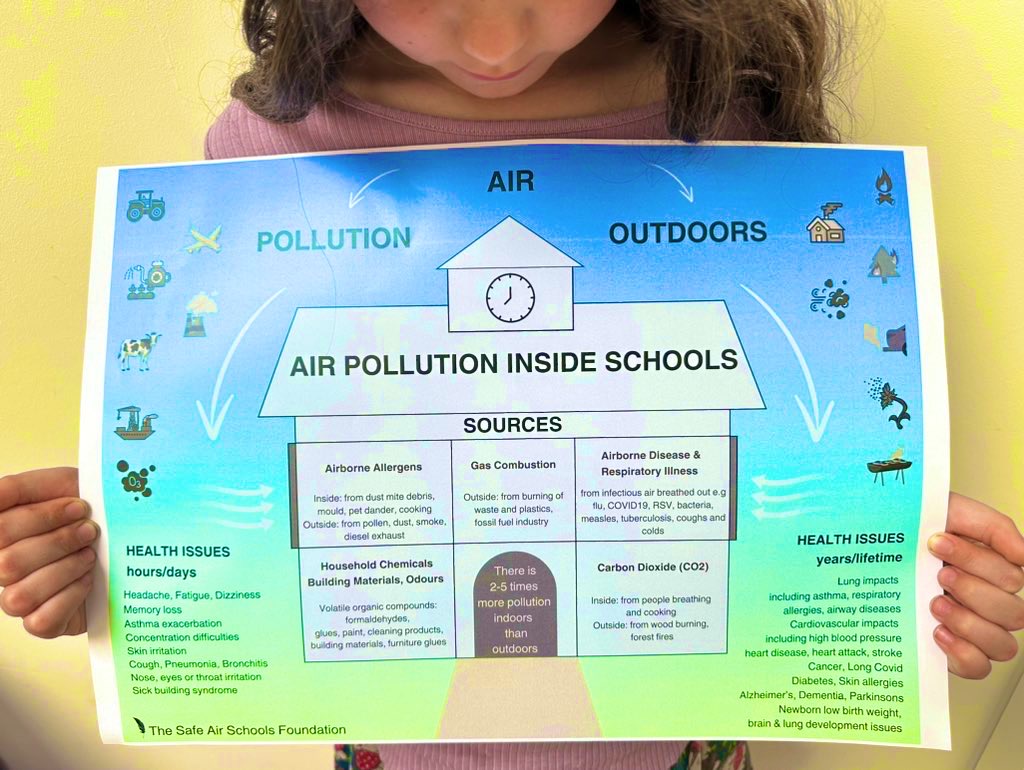
Some classrooms have limited ventilation because windows cannot fully open, there is no mechanical ventilation, or fresh air cannot circulate effectively. This can allow carbon dioxide and other pollutants to build up.
Classroom activities
Activities such as art, science, cooking, cleaning, singing, music lessons, and indoor exercise can increase dust, fumes, and carbon dioxide levels, affecting indoor air quality.
Occupancy levels
More people in a classroom means more carbon dioxide, heat, moisture, and airborne particles, especially in smaller or poorly ventilated rooms.
Nearby traffic
Pollution from busy roads can enter classrooms through windows, doors, or ventilation systems and can also affect playground air.
Surrounding environment and local geography
Trees, pollen, farming, construction, industry, and the shape of the local landscape can all affect air quality. For example, schools in valleys may trap pollution longer, while those on exposed, windy sites may benefit from better natural air movement.
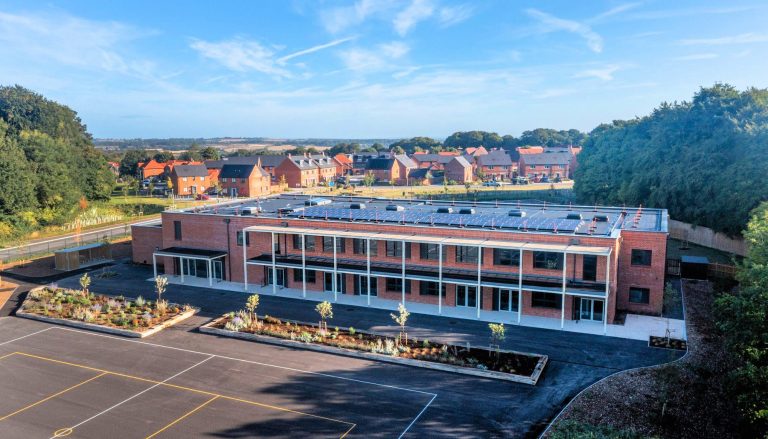
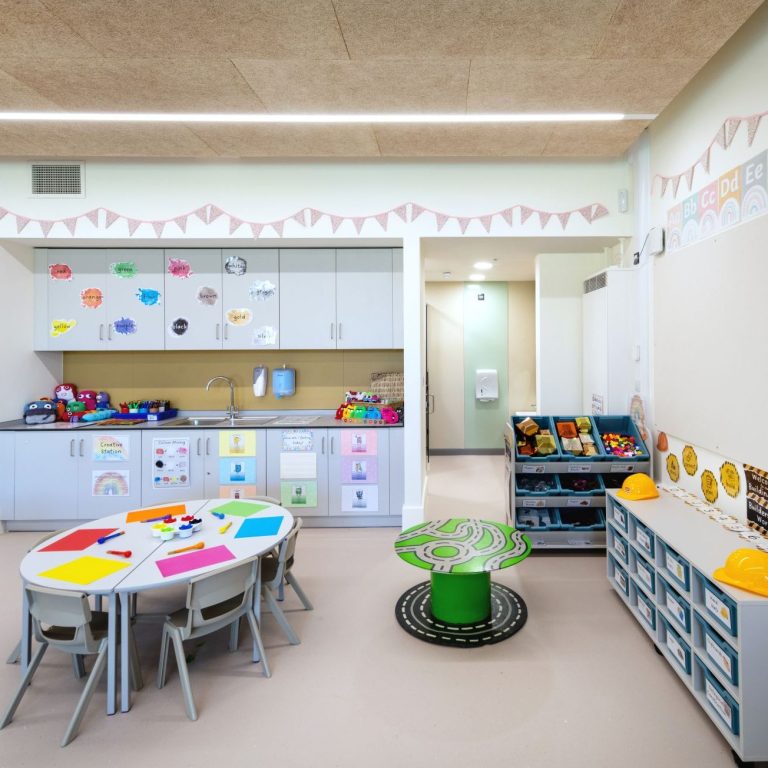
Passivhaus Educational Buildings
These are schools, colleges, or nurseries built to the Passivhaus standard, a rigorous building standard designed to create highly energy-efficient, comfortable, and controlled indoor environments.
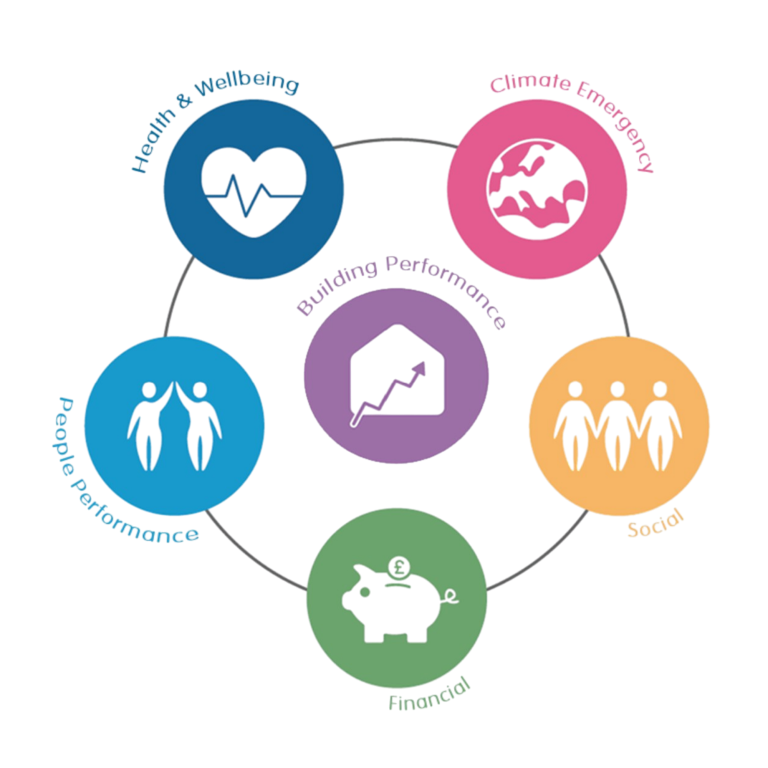
How can you improve air quality in your community?

Local air quality strategy
A quick online search will lead you to your local Air Quality Strategy. This is a plan created by a local authority that explains how it will improve air quality in its area.
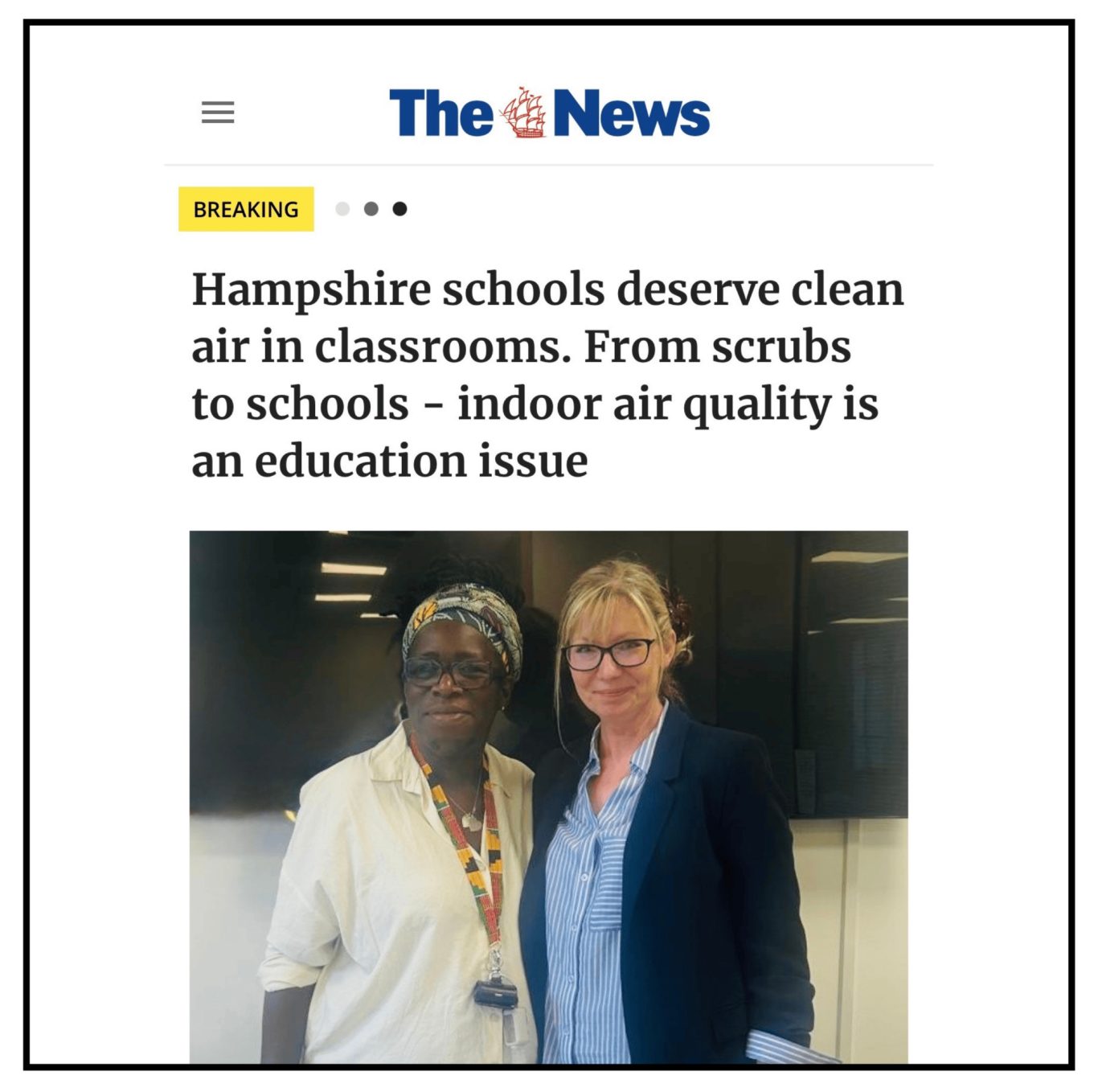
In doing so, our founder contributed to the Winchester, Portsmouth, and East Hampshire strategies, ensuring that indoor air in schools was addressed.
If your local consultation has already closed, don't assume that the conversation is over. Contact the people who developed the strategy, your council's air quality or environmental health team. If you aren't sure where to start, pick one of our resources to help open the conversation.
Write to local decision-makers
If you are unable to meet local decision-makers in person, you can use our template letter to contact them instead.

Share local data
Local facts and figures can make discussions much more meaningful. Links to data for your own area can be found below. If you need help finding or interpreting information our Consultant Data Analyst will be happy to assist.
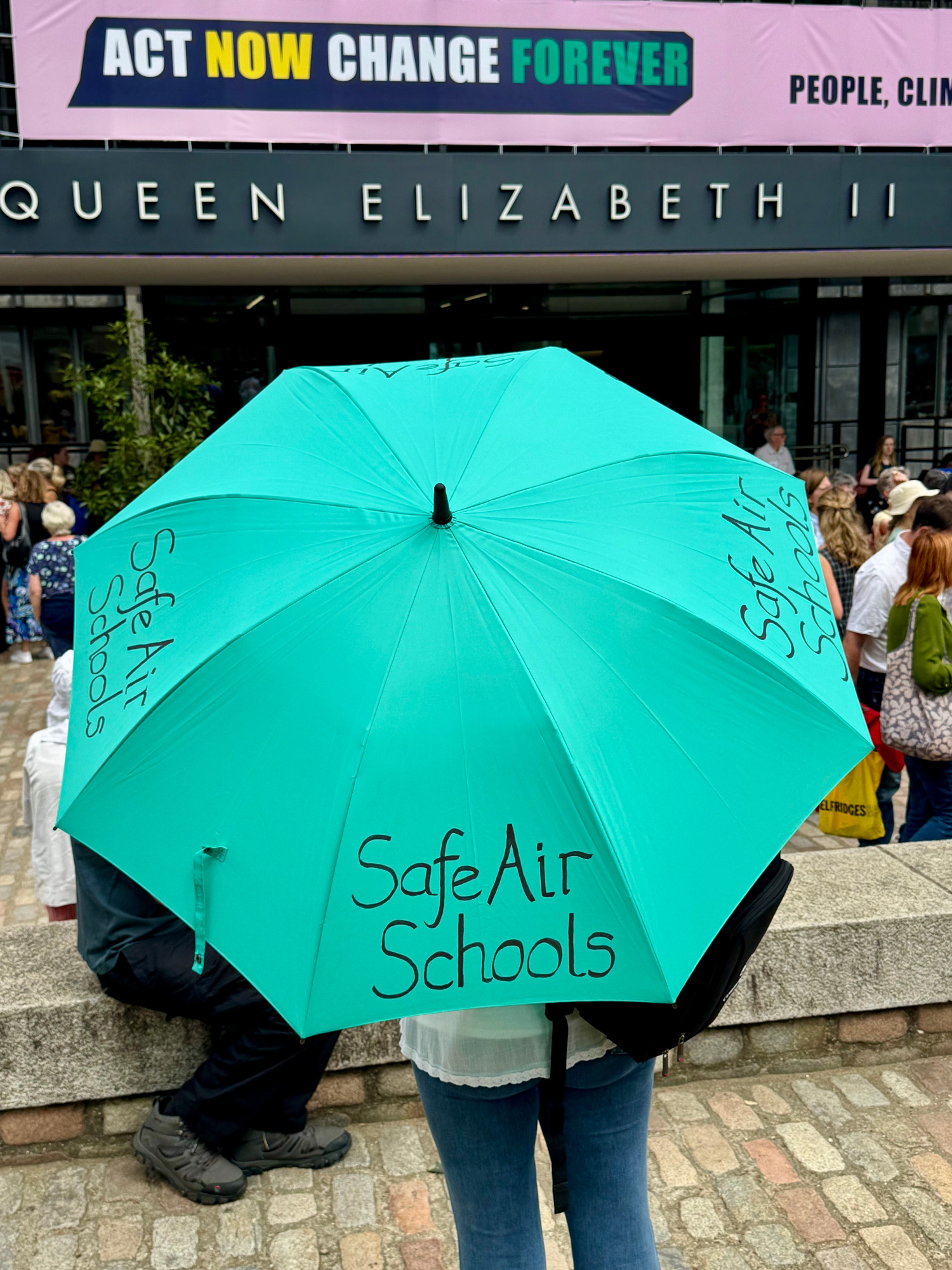
Share a Safe Air Schools flyer
Share a customised Safe Air Schools flyer to support conversations with schools, local authorities and decision-makers. It has also been used successfully within local communities. Versions have since been adapted for Canada and France. If you would like a customised version for your own area, let us know and we will email one for you to download.
Donate or build an air filter
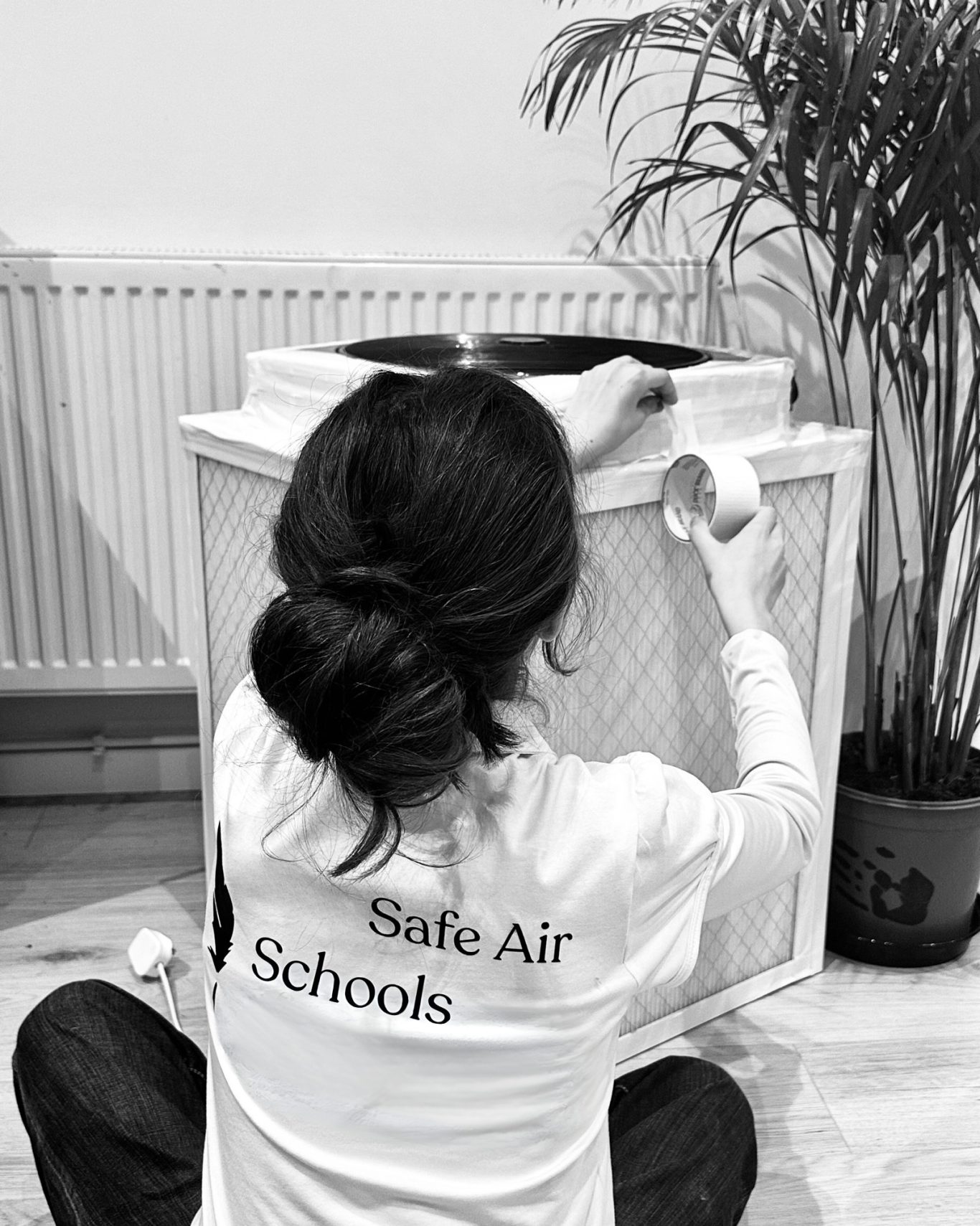
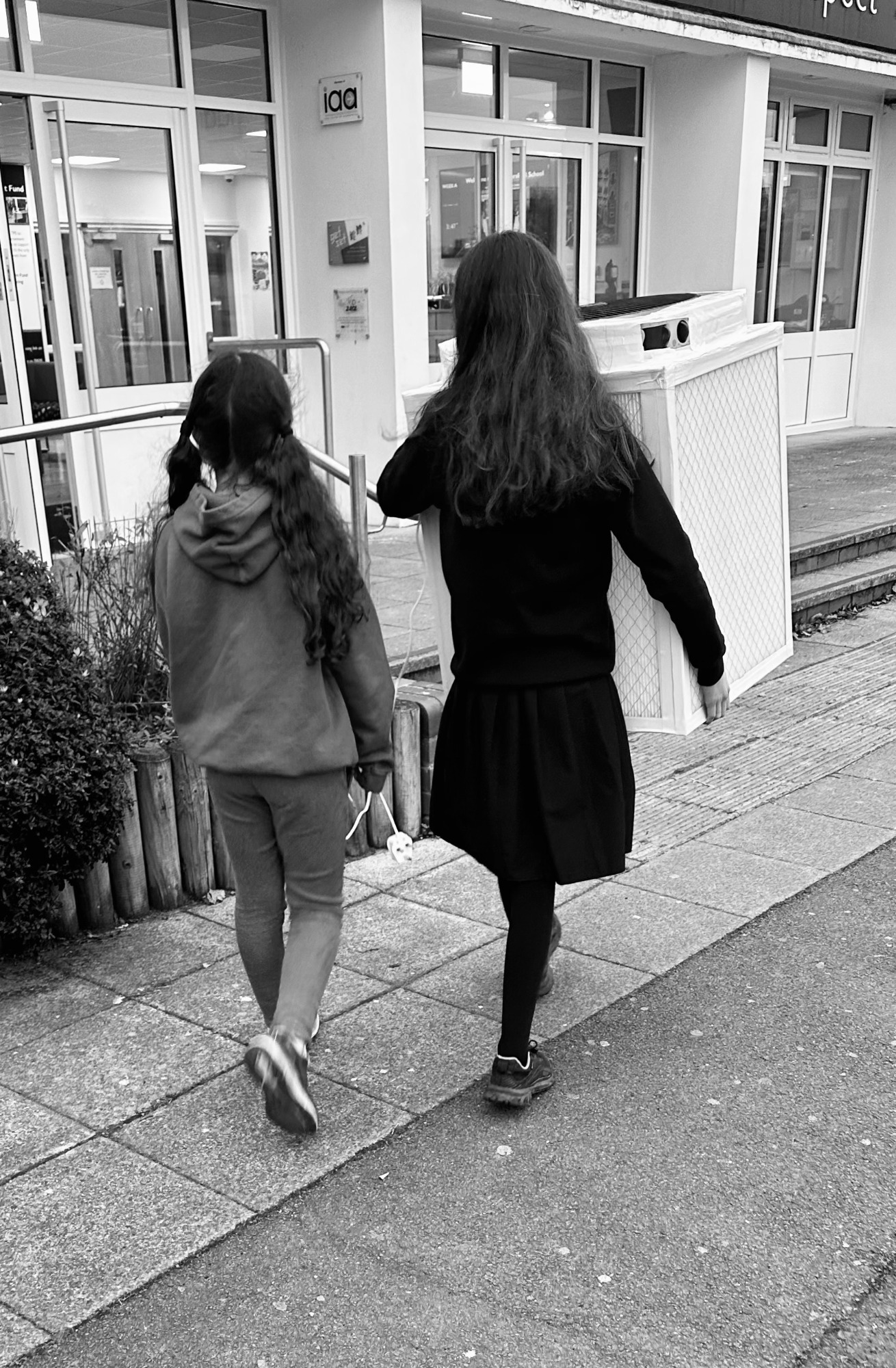
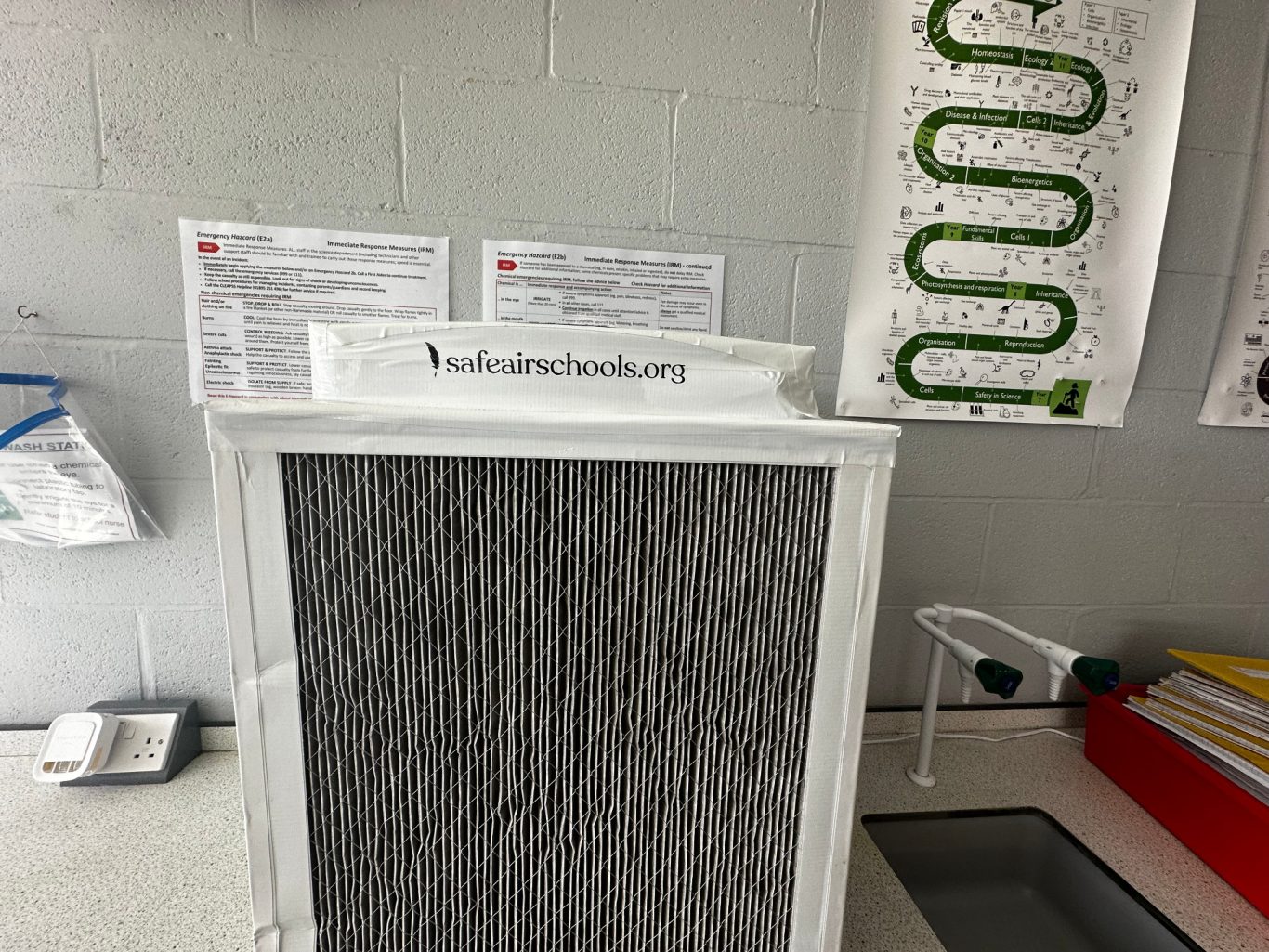
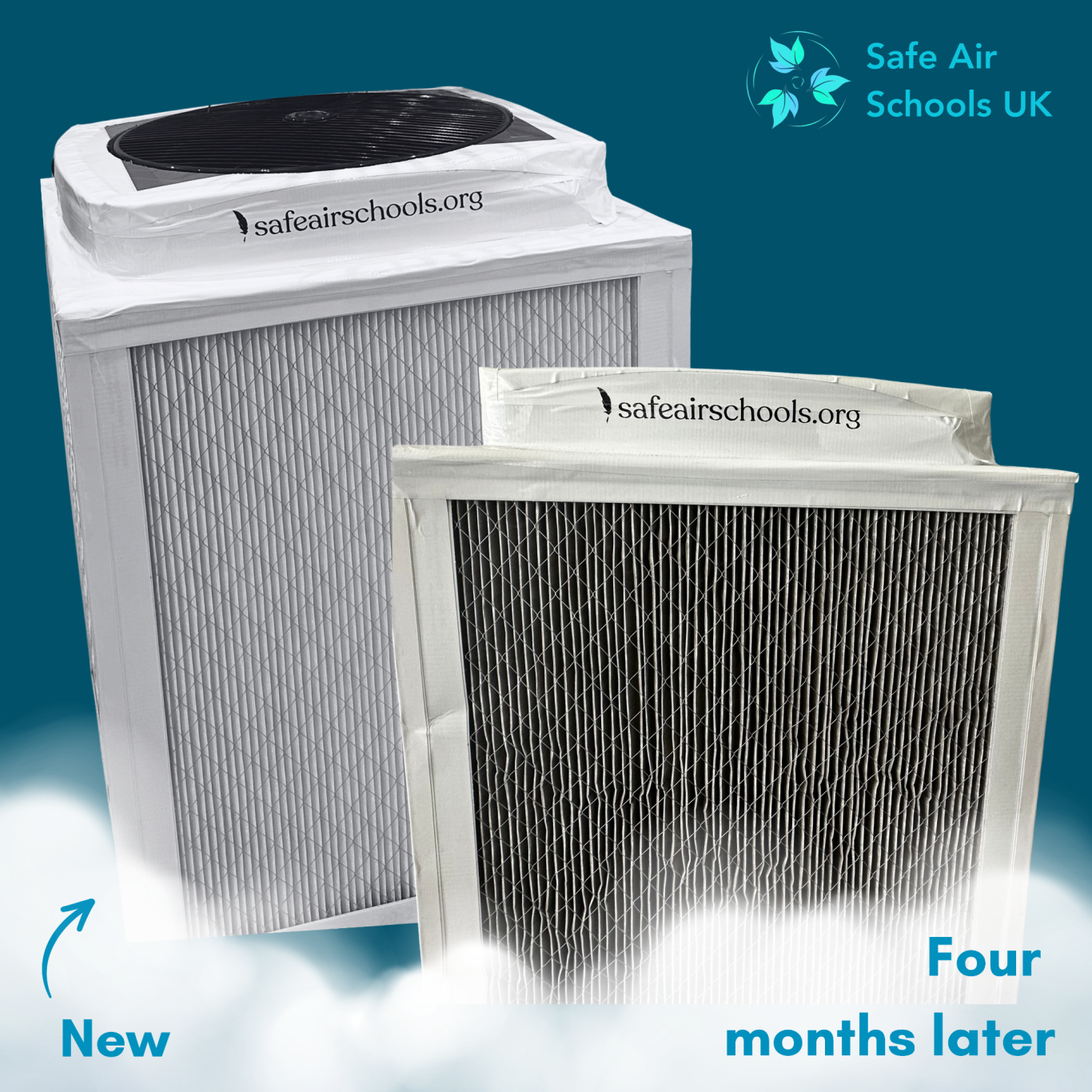
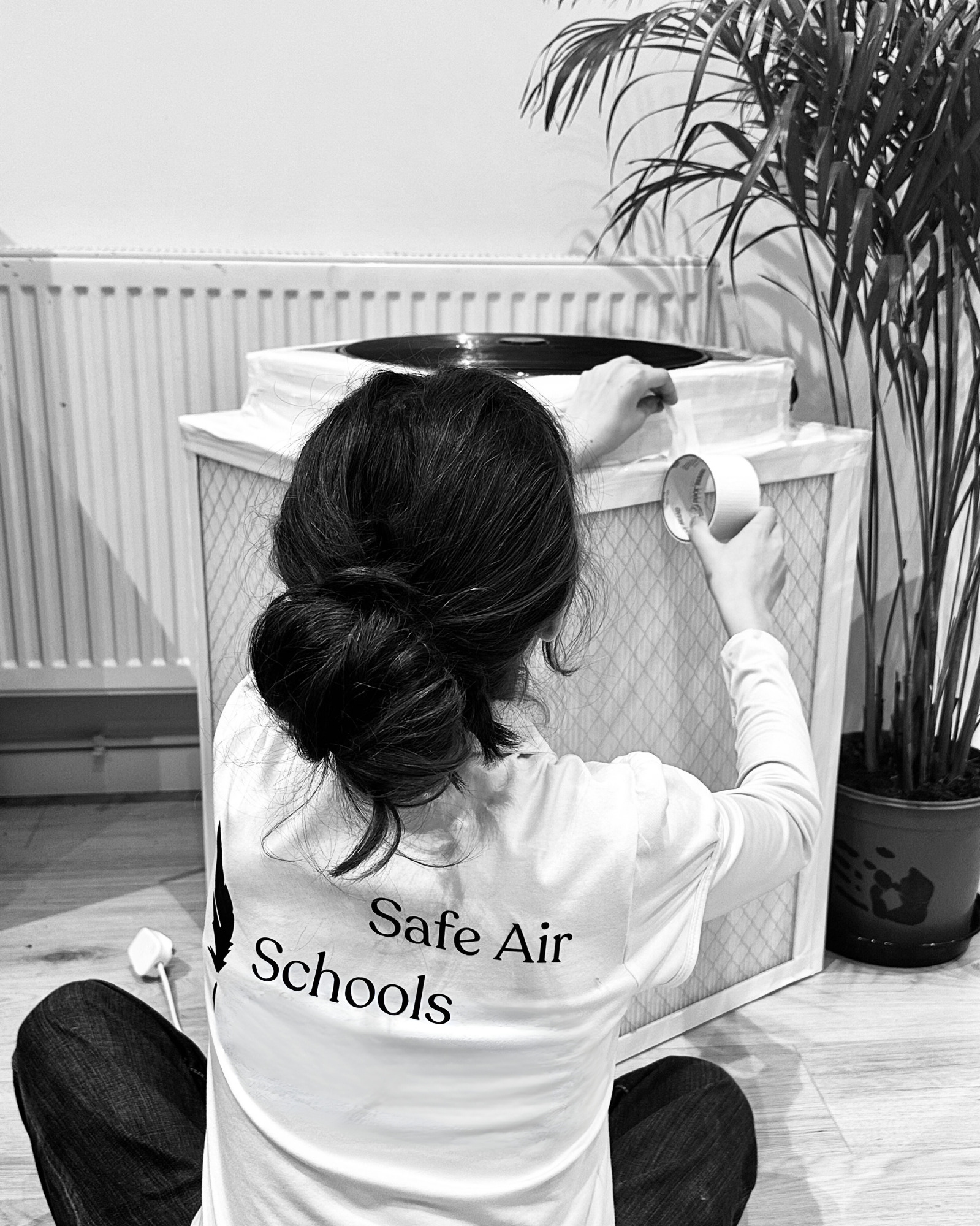
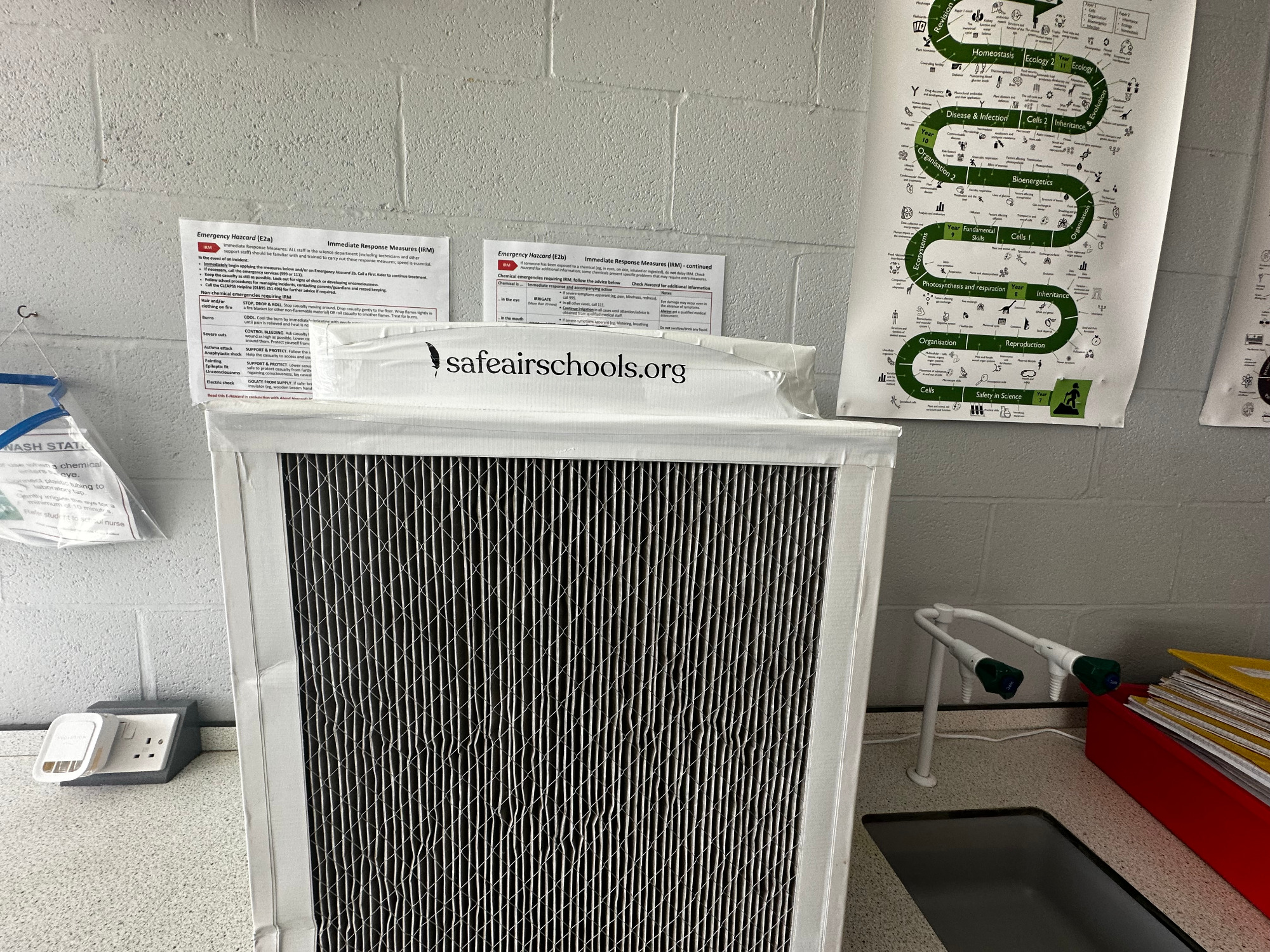
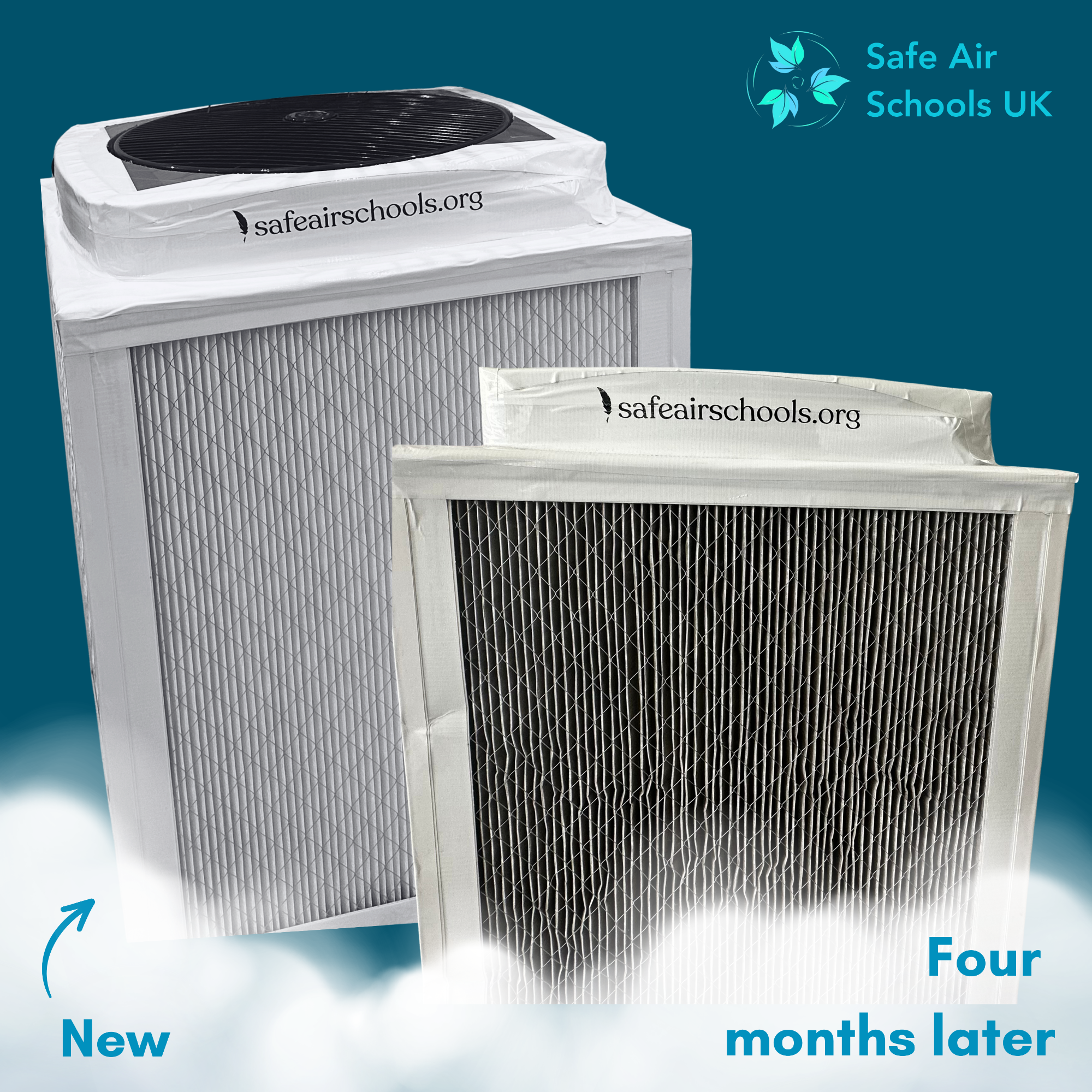
Could you build or donate an air filter to a local school? It is a practical way to improve classroom air quality while helping children learn about healthy indoor environments. You can find instructions here.
Monitor classroom air quality
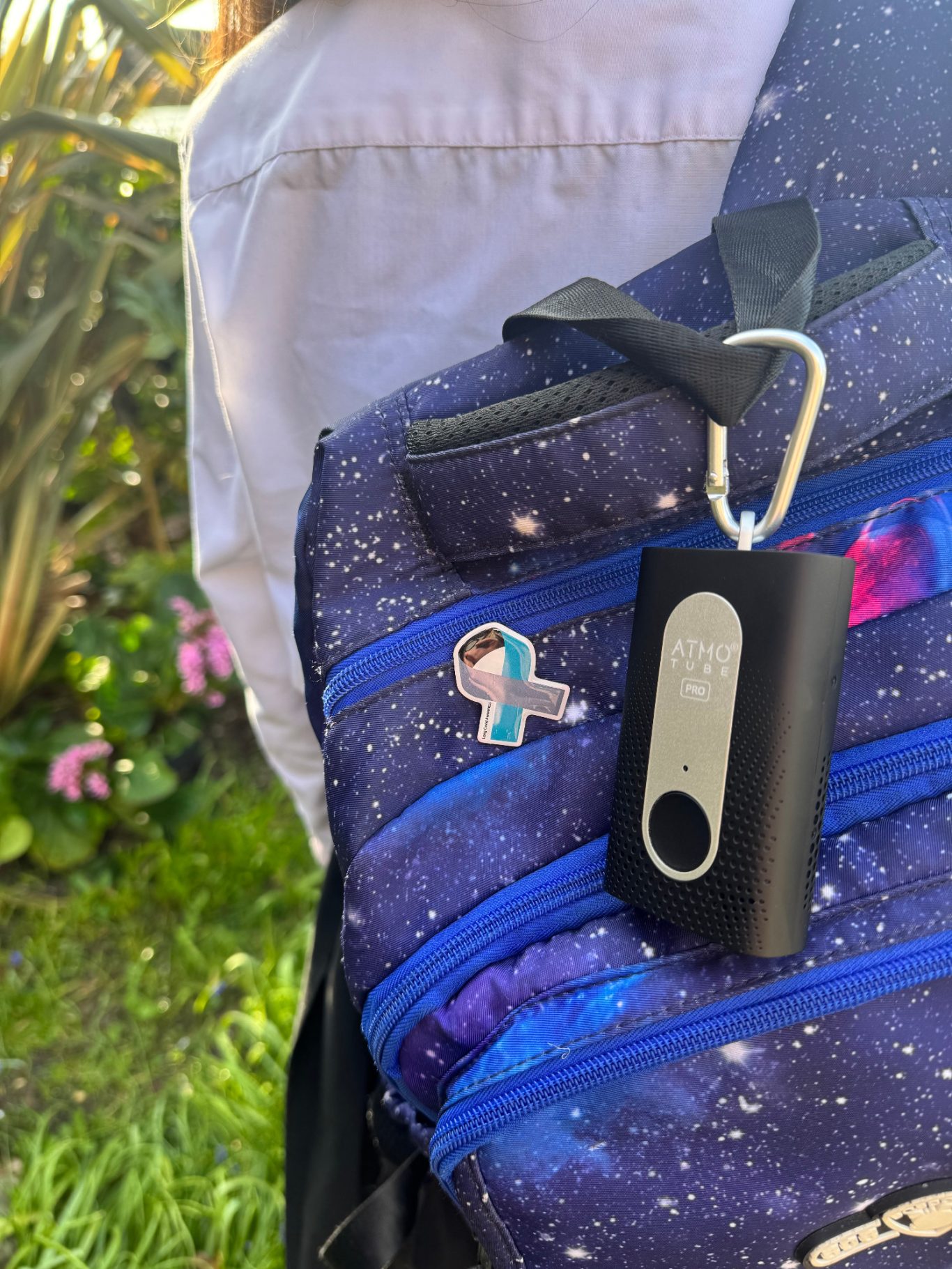
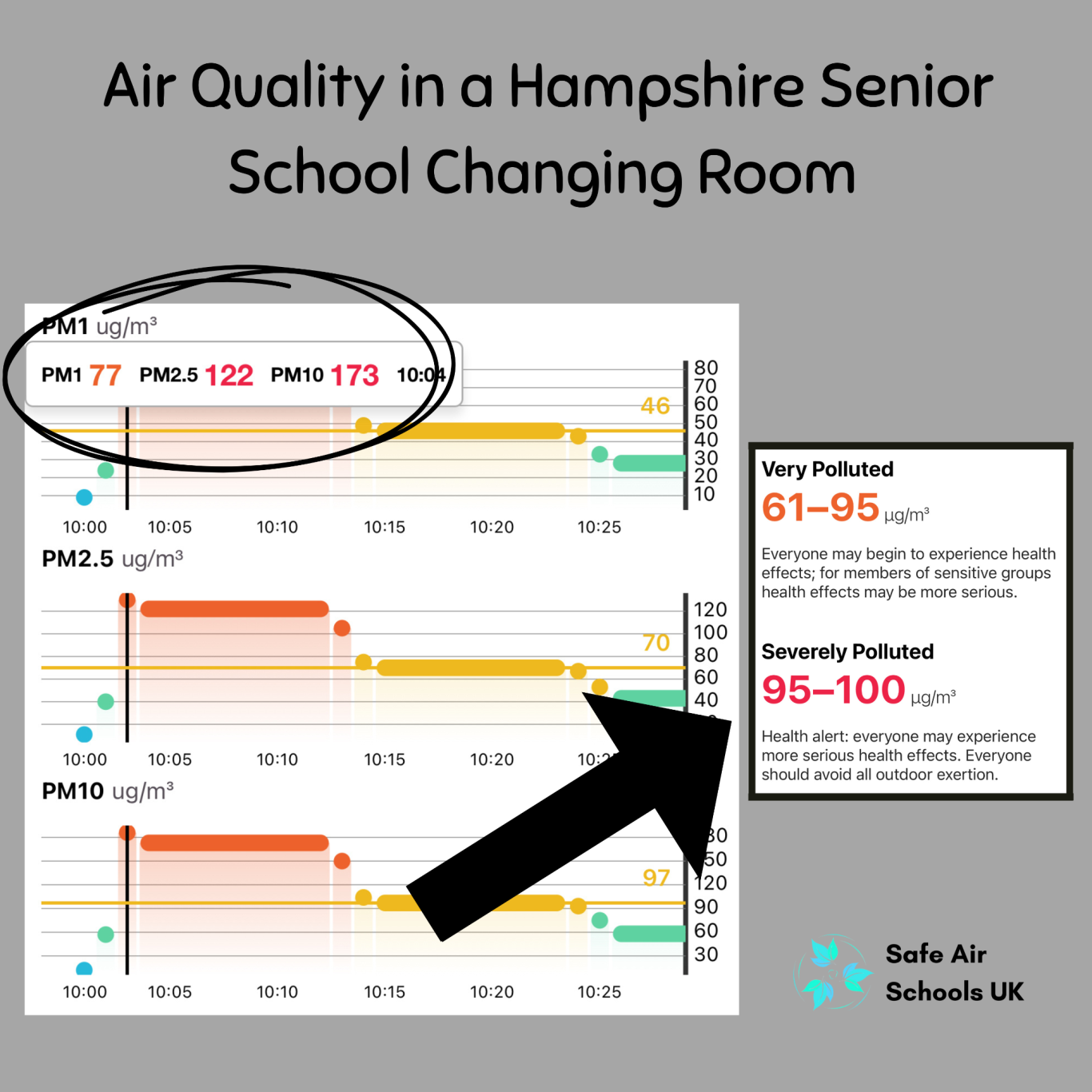
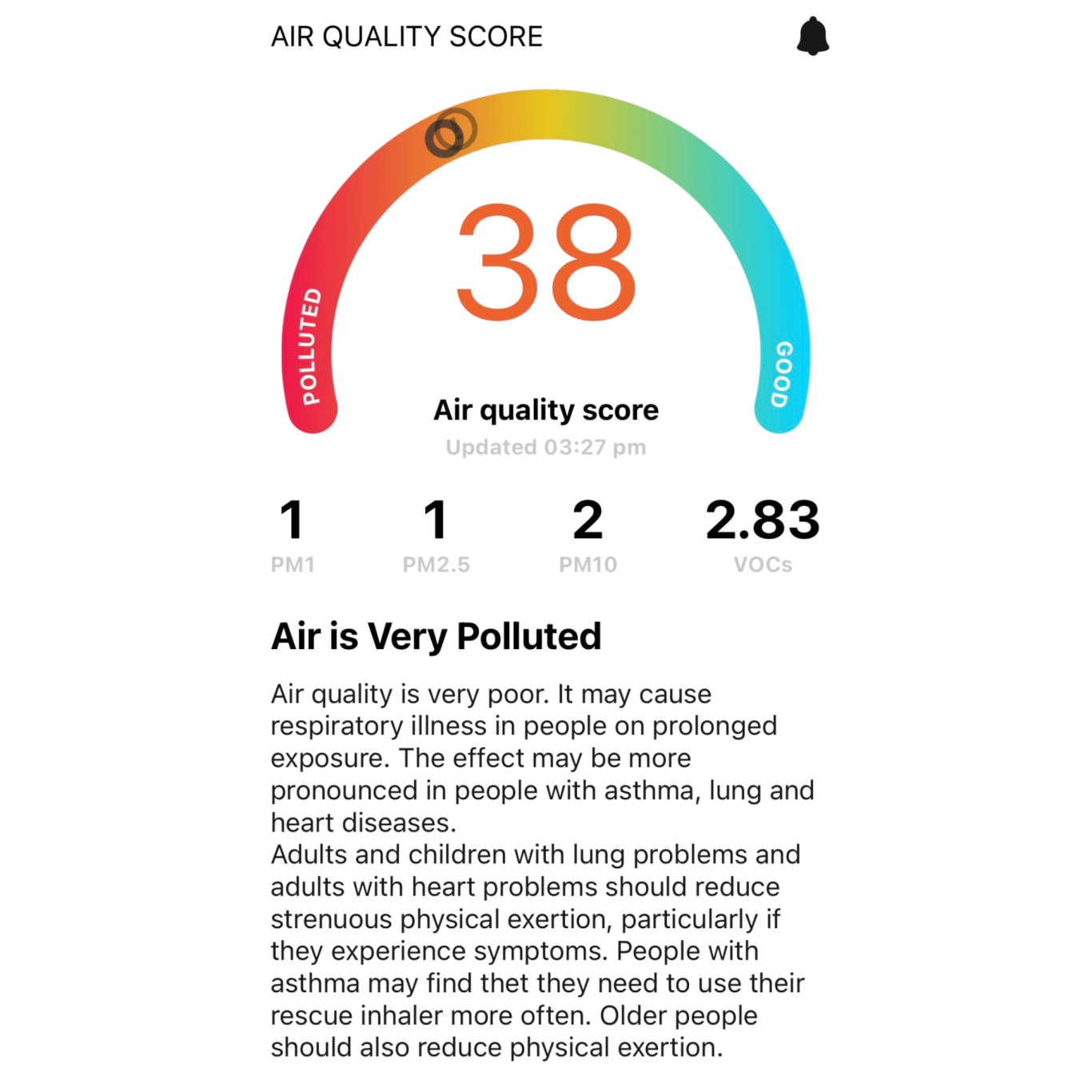
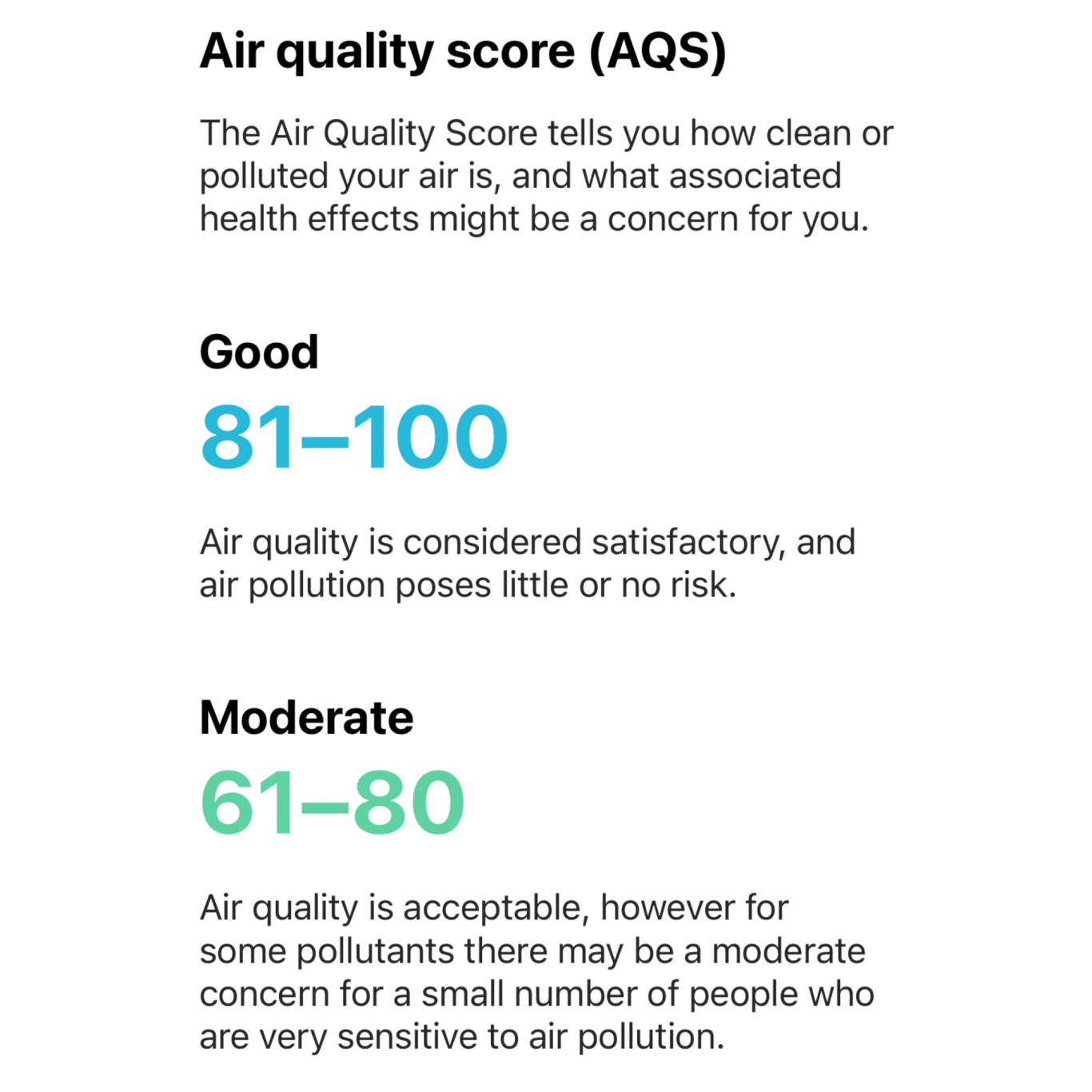
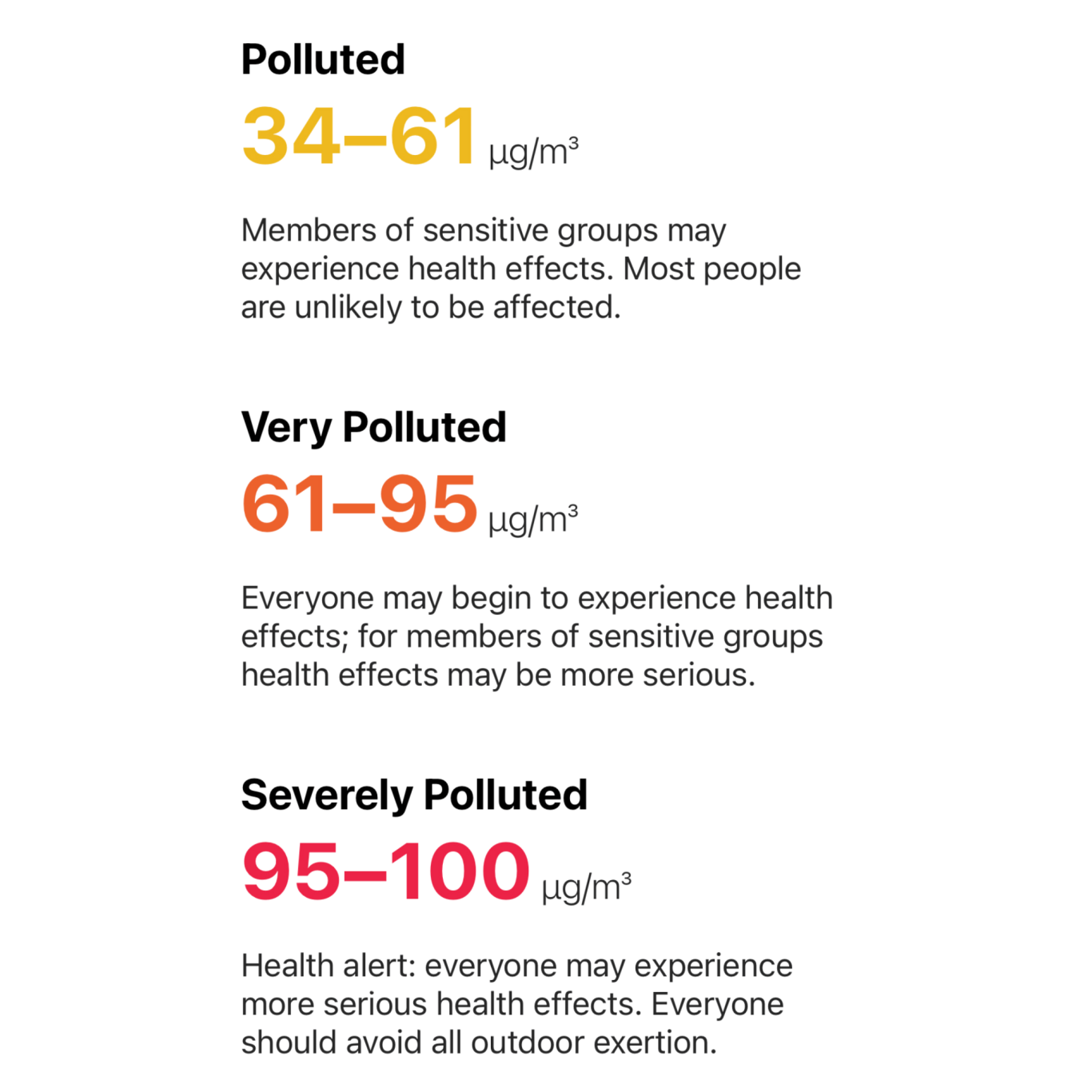
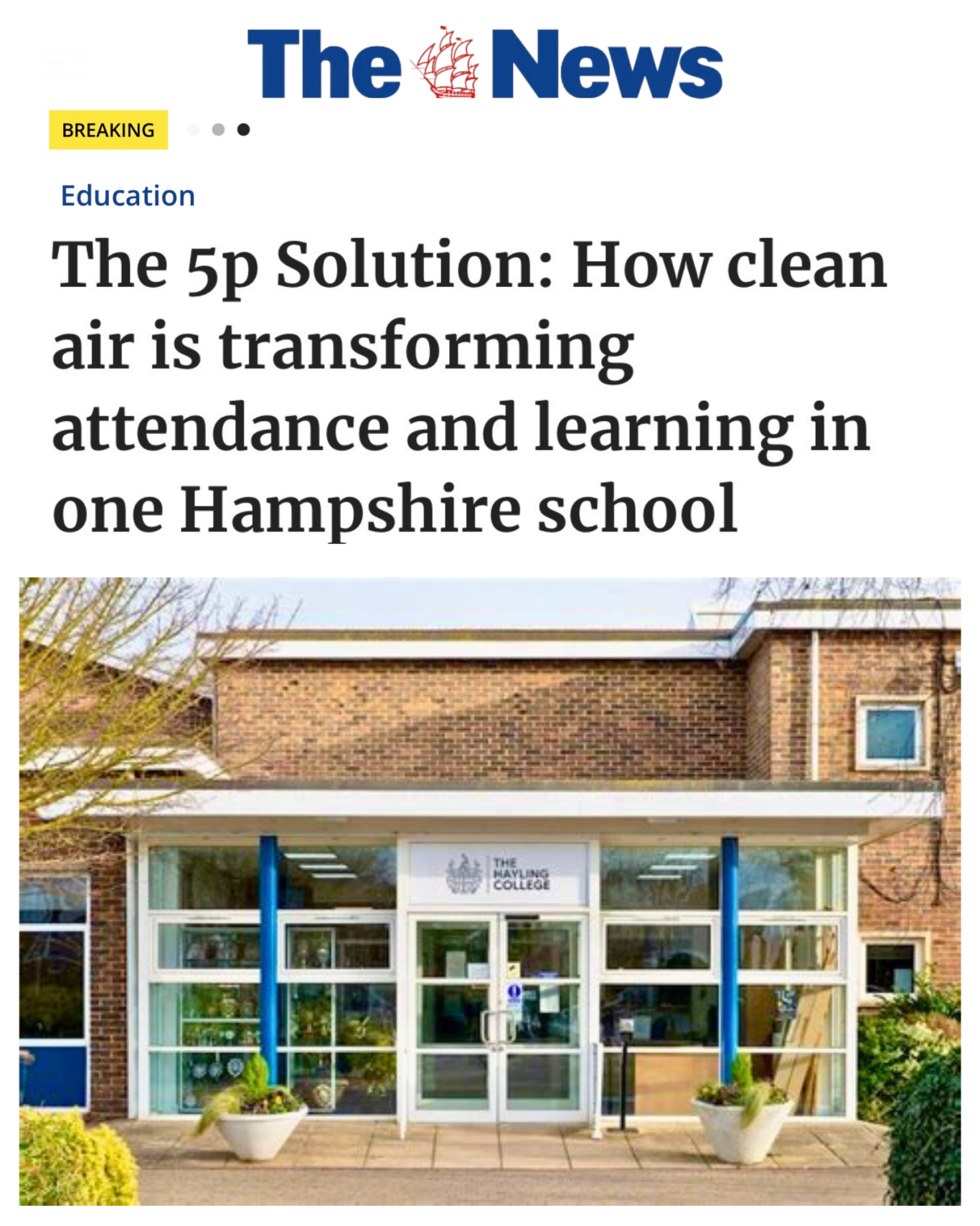
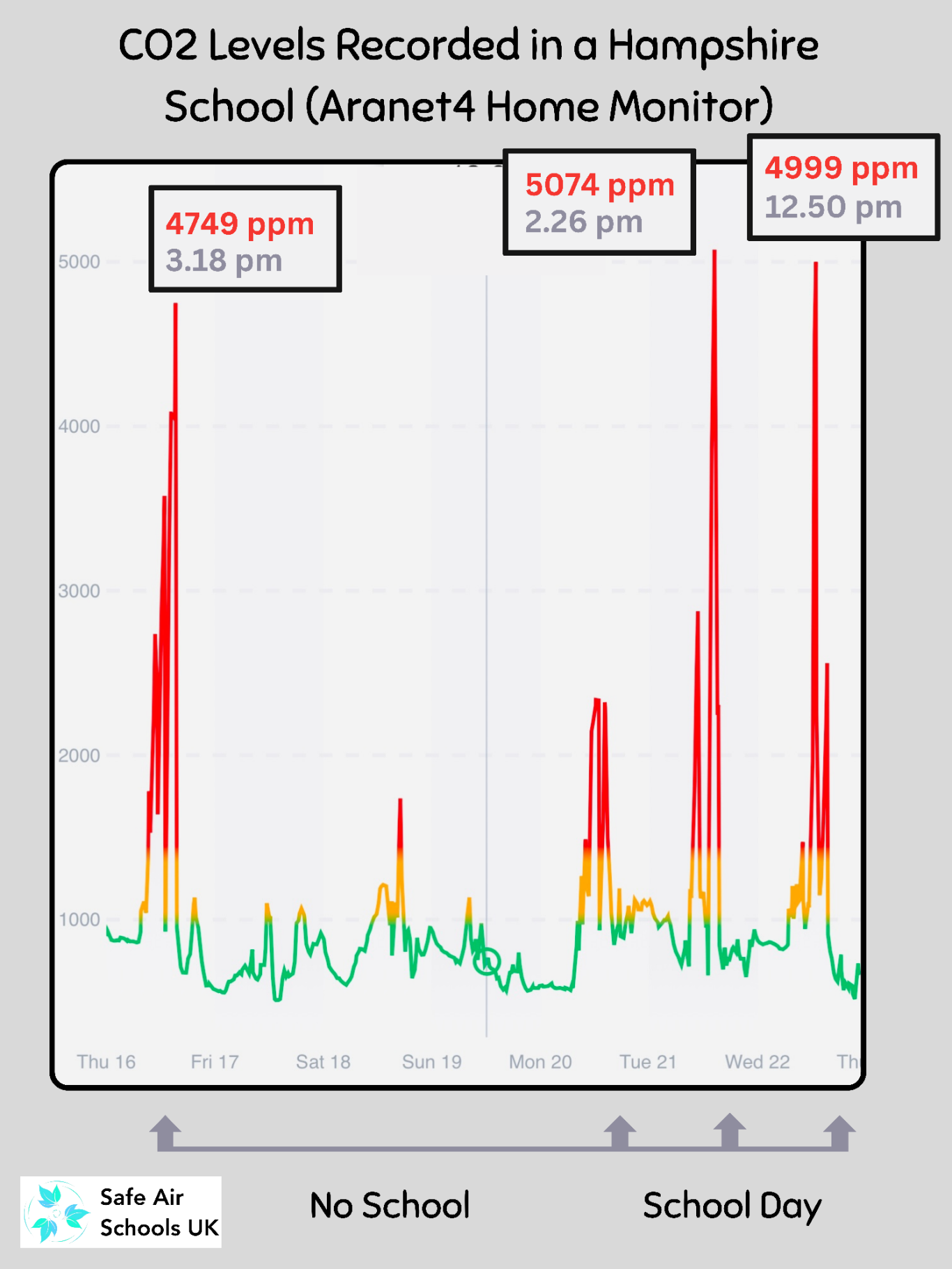
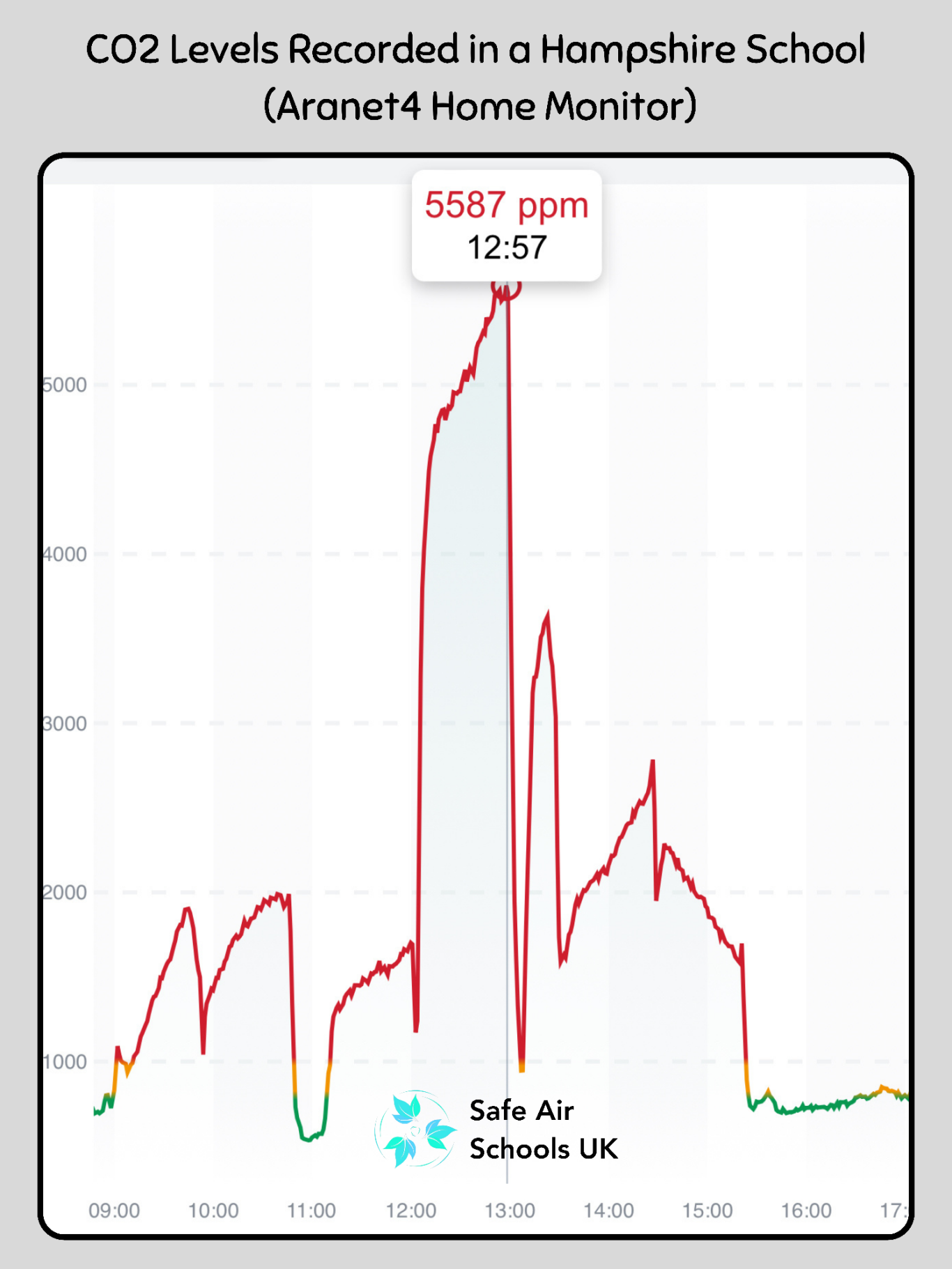
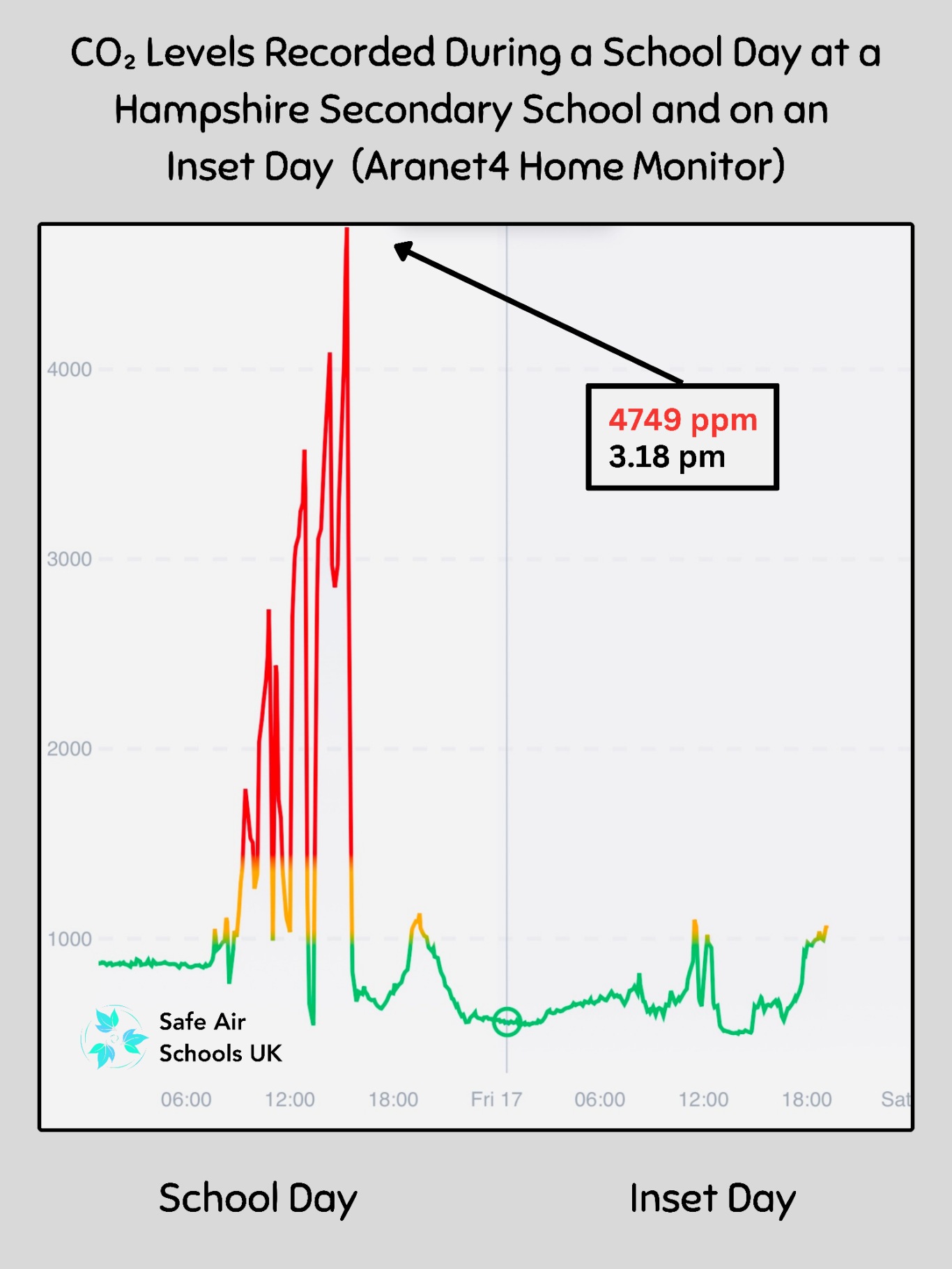
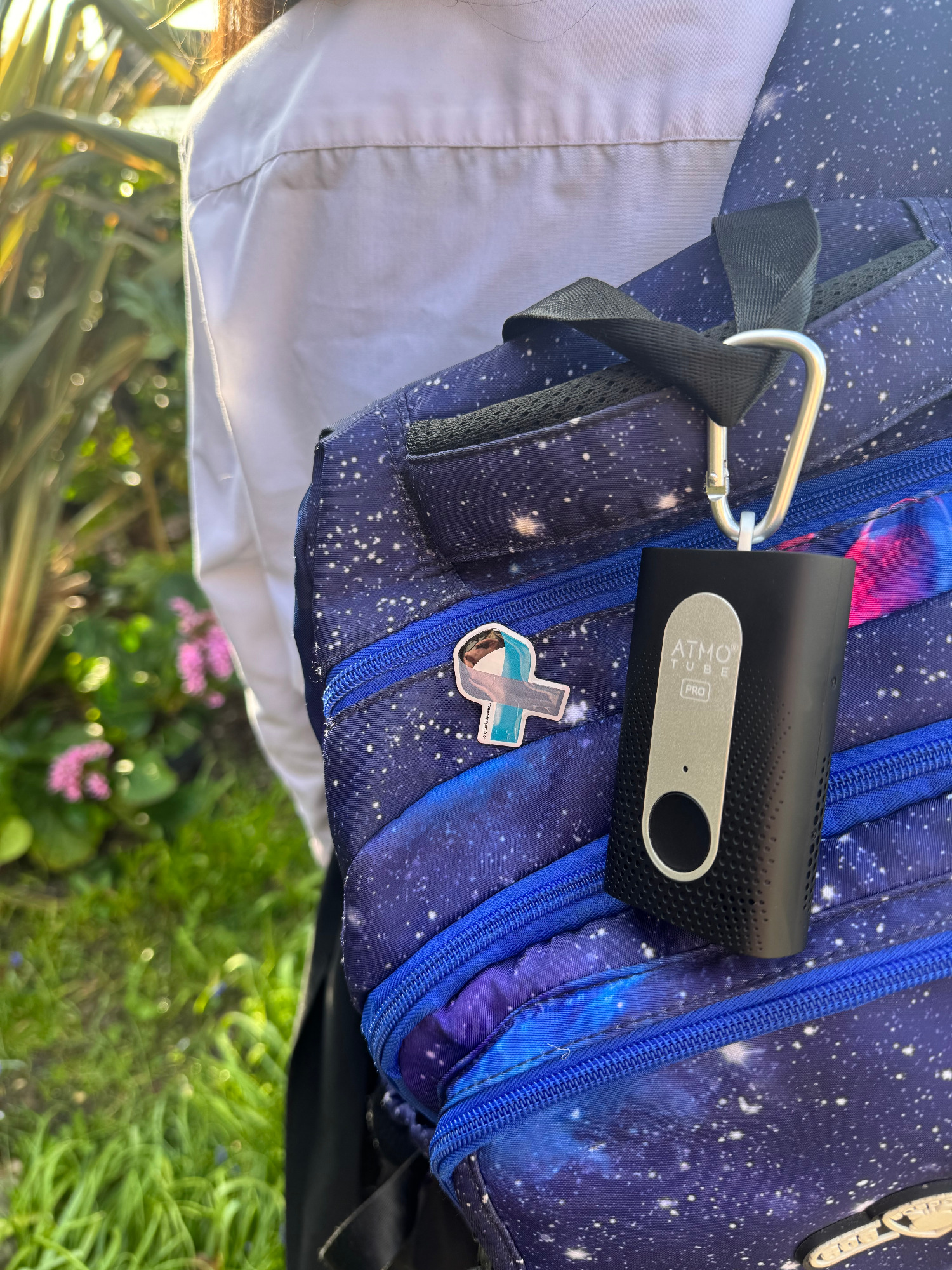
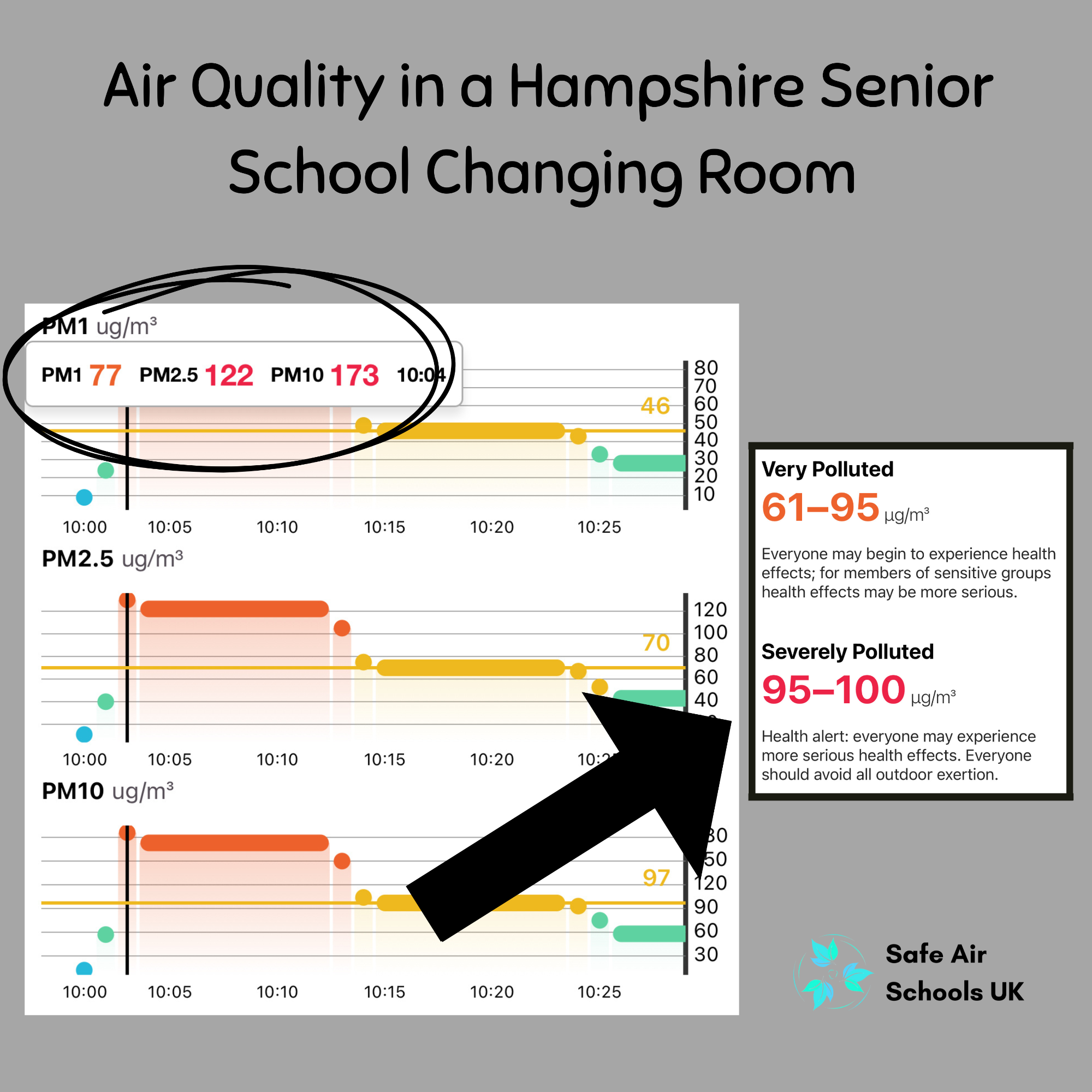
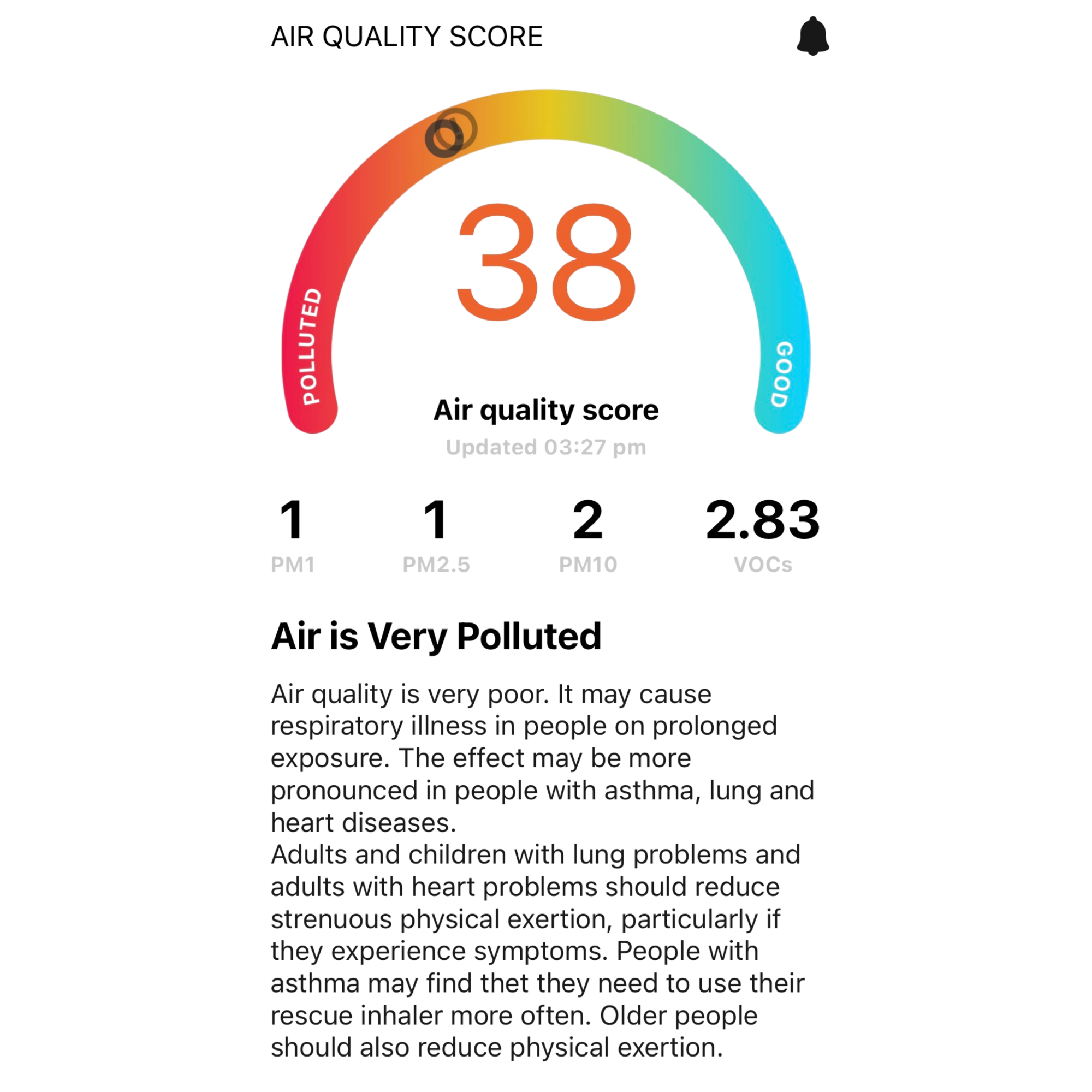
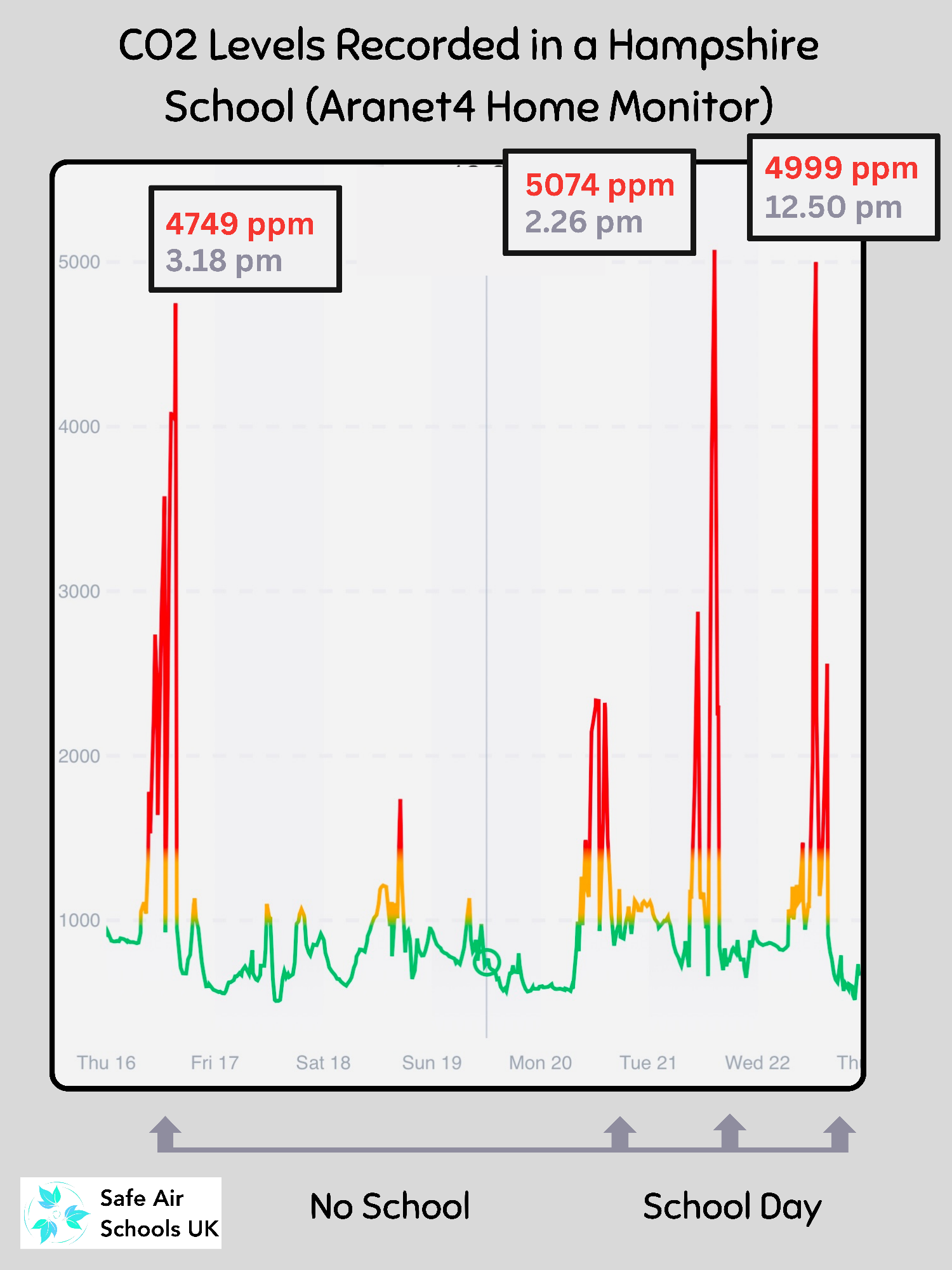
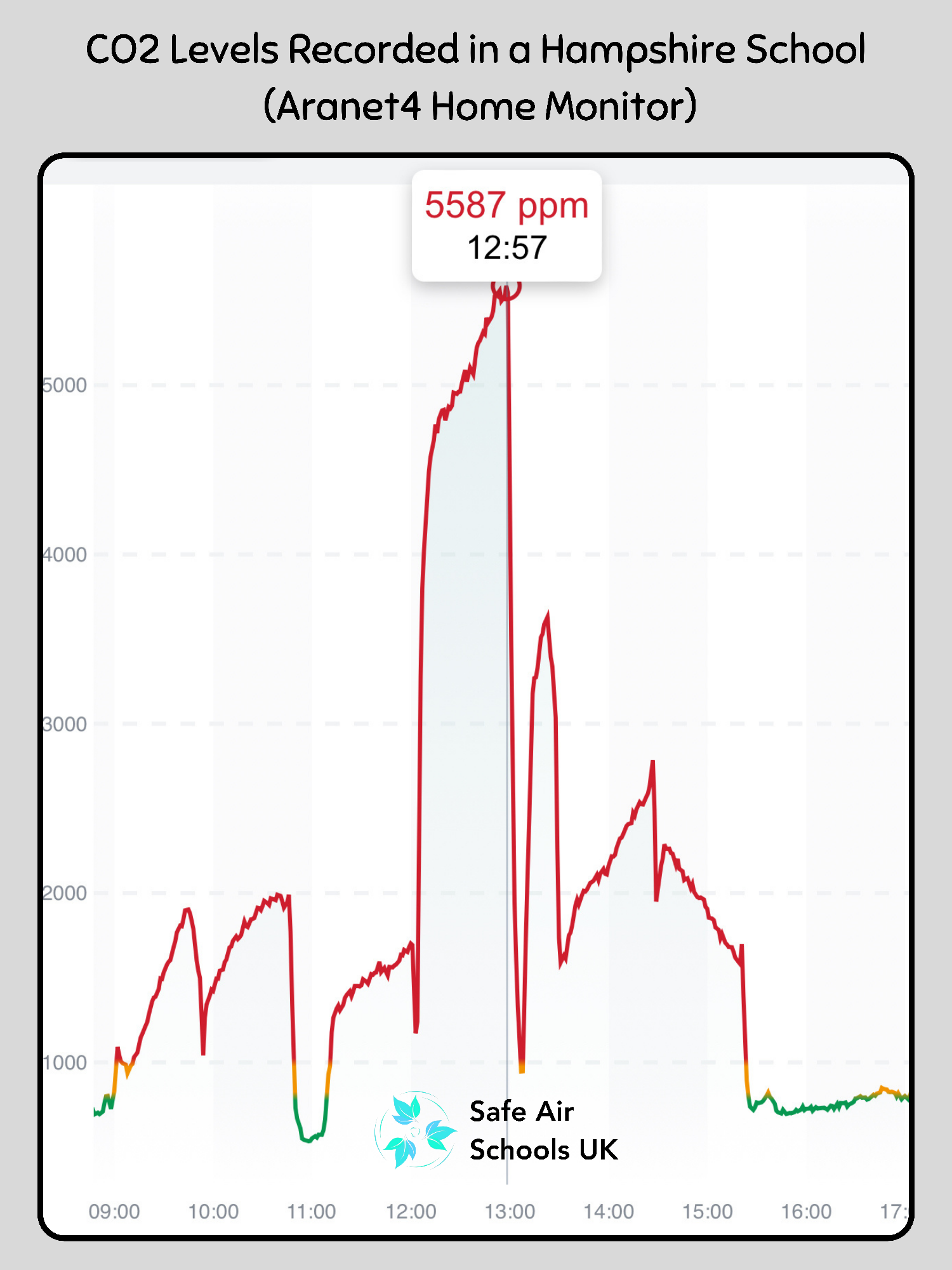
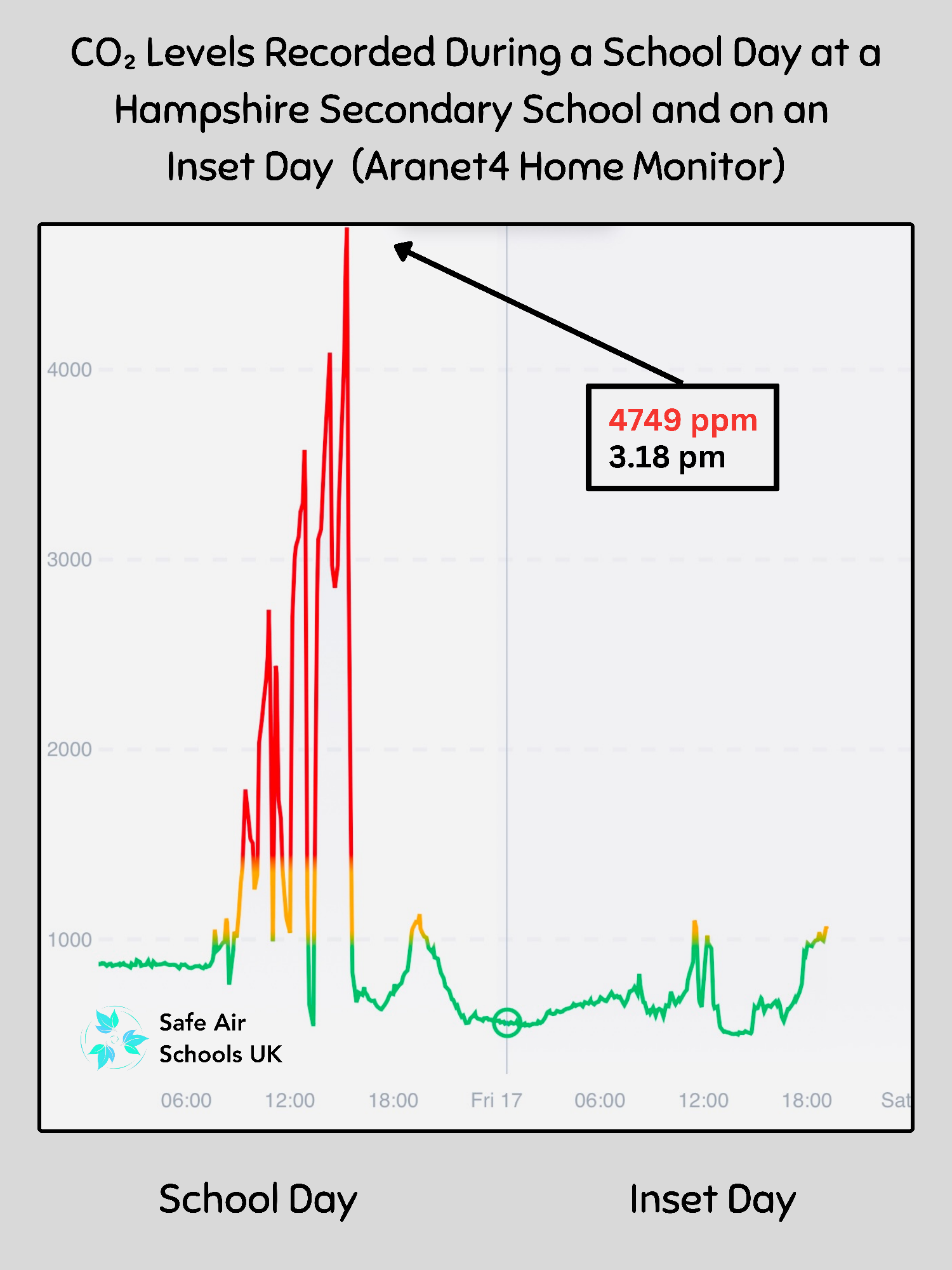
Could you monitor CO2 or air quality in a local classroom? The example readings in the gallery below were collected using an Aranet CO2 monitor and an ATMO Tube Pro, both reviewed by our partners HouseFresh, and our air quality expert. You could also monitor outdoor air quality in a school playground to help raise awareness.
Find local examples
A quick internet search or conversations within your community will often identify schools already using air quality monitoring or air filtration, particularly newer school buildings.
Many areas, including Hampshire are involved in classroom air quality research and have excellent resources available.
Join local environmental groups
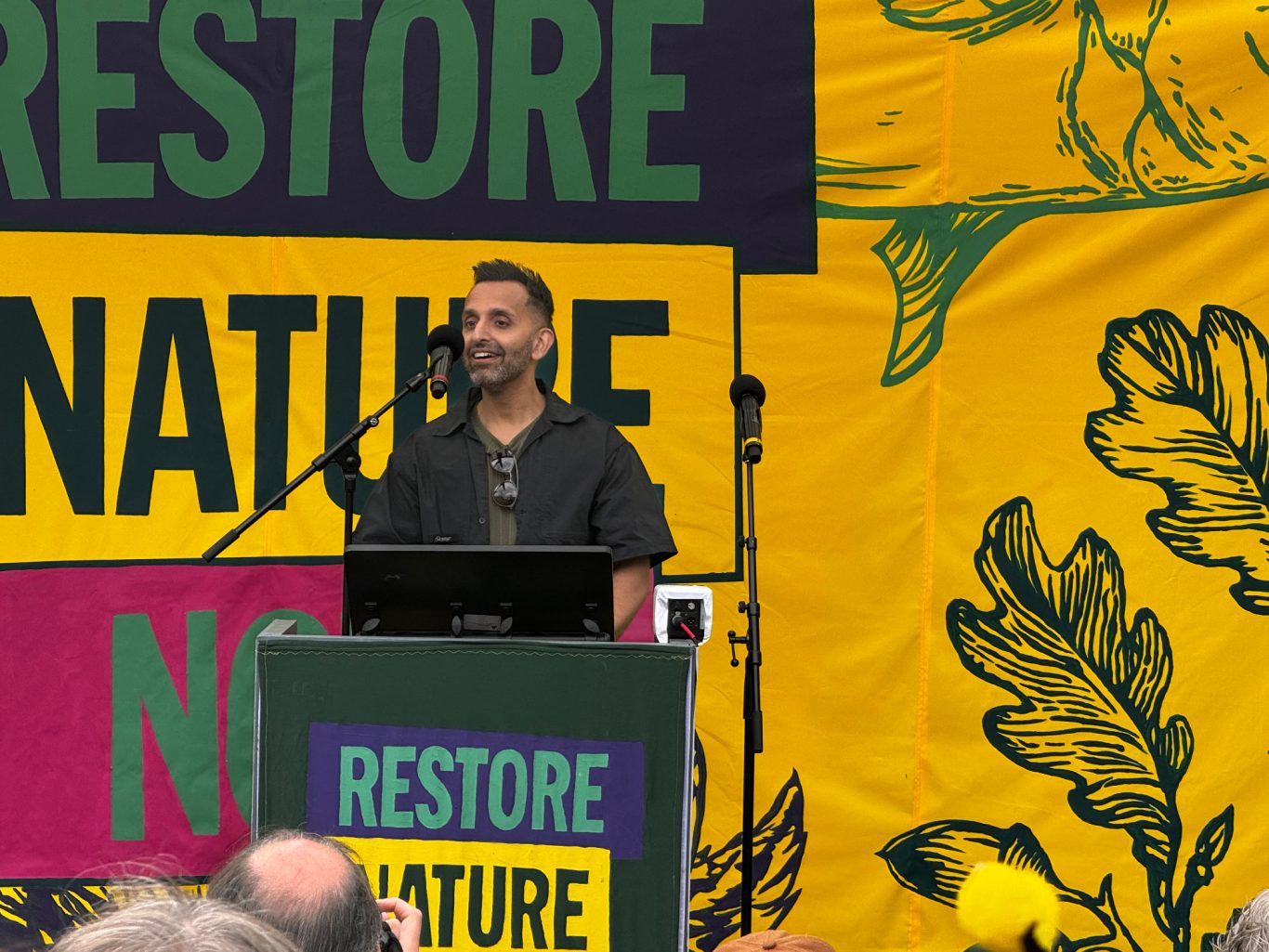
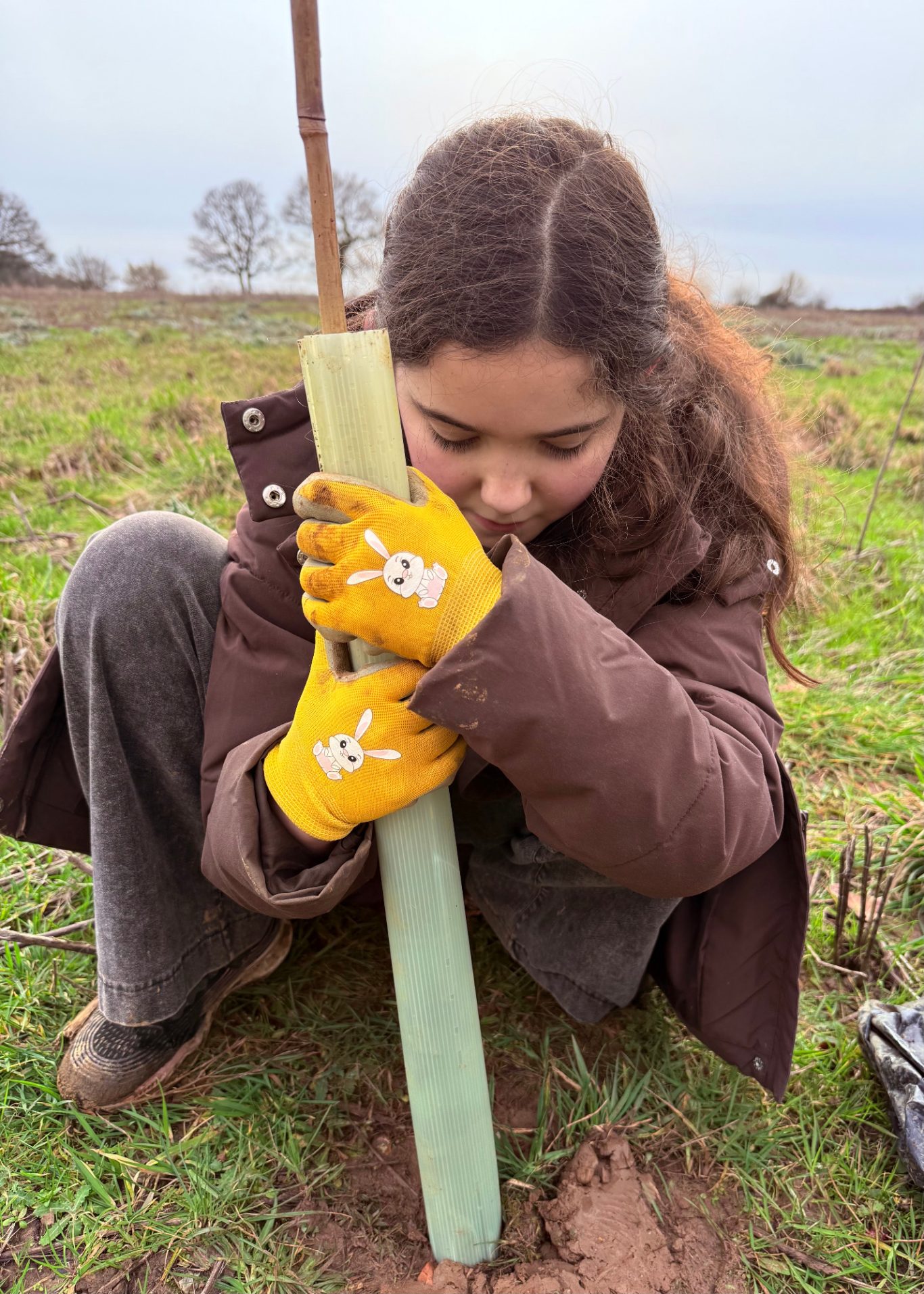
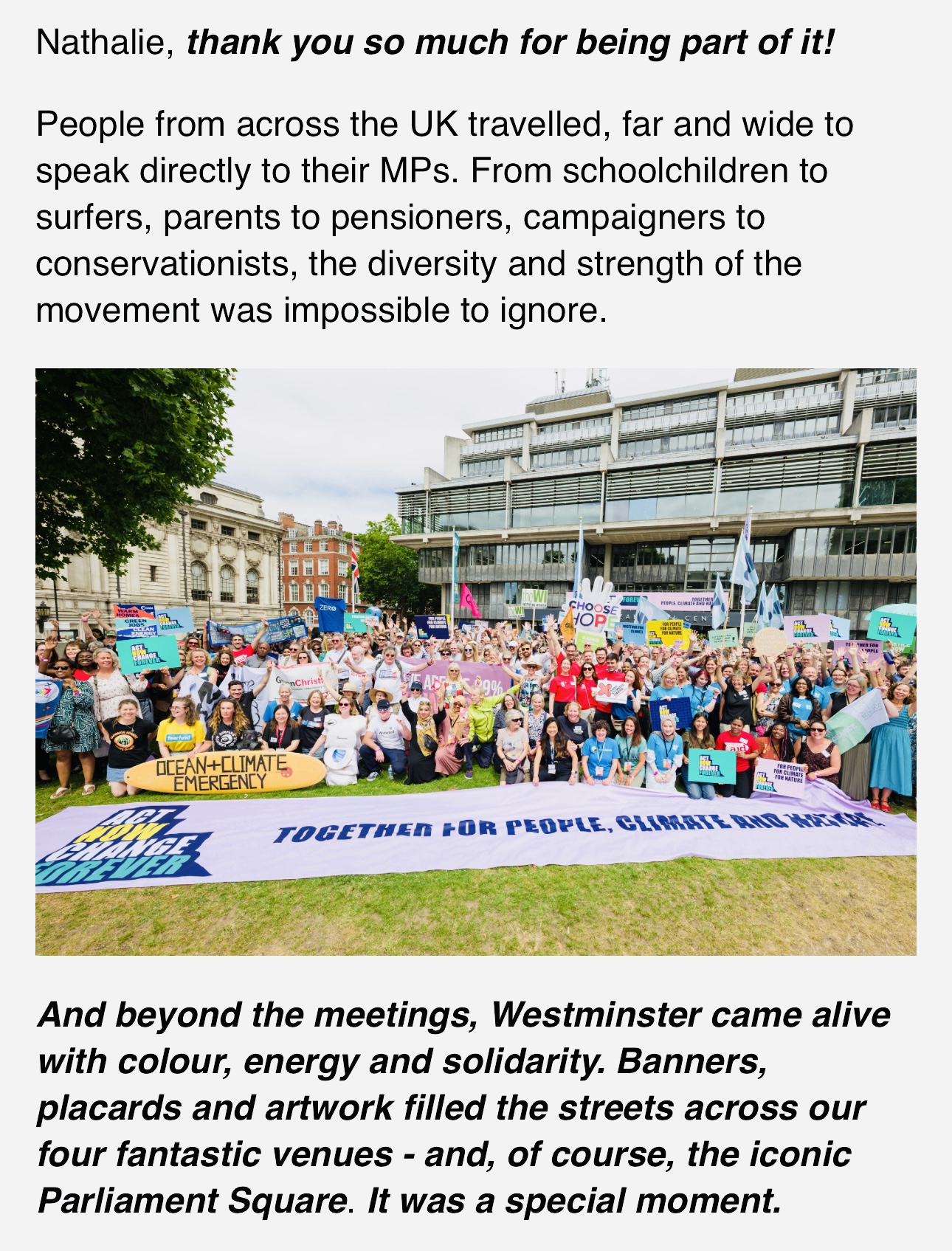
Collaborations have been one of the most valuable and rewarding parts of our work. Working with environmental groups allows you to raise awareness of the links between climate, indoor and outdoor air quality and health at the same time as contributing to meaningful change.
Find your school's sustainability lead
Every school should have a nominated Sustainability Lead who helps coordinate the school’s work on climate change and sustainability. They work with staff, pupils and school leaders to put climate action into practice.
How you can get involved
- Ask who your school’s Sustainability Lead is.
- Find out what sustainability projects are already taking place.
- Offer ideas or volunteer if the school welcomes parent support.
Ask about your school’s Climate Action Plan
Schools should have a Climate Action Plan that sets out how they will:
- prepare for hotter weather and other climate impacts
- reduce carbon emissions
- improve biodiversity and outdoor spaces
- educate pupils about sustainability
Each plan should reflect the needs of the individual school and community.
How you can get involved:
- Ask whether your school has a Climate Action Plan.
- Ask whether it includes measures to keep classrooms safe during heatwaves.
- Encourage the school to share its plan with families.
Free support
Schools can access free support from the Department for Education to help develop and deliver their Climate Action Plan, including:
- Sustainability Support for Education
- Climate Ambassador Programme
- National Education Nature Park
These programmes provide practical resources, expert advice and support.
Gallery
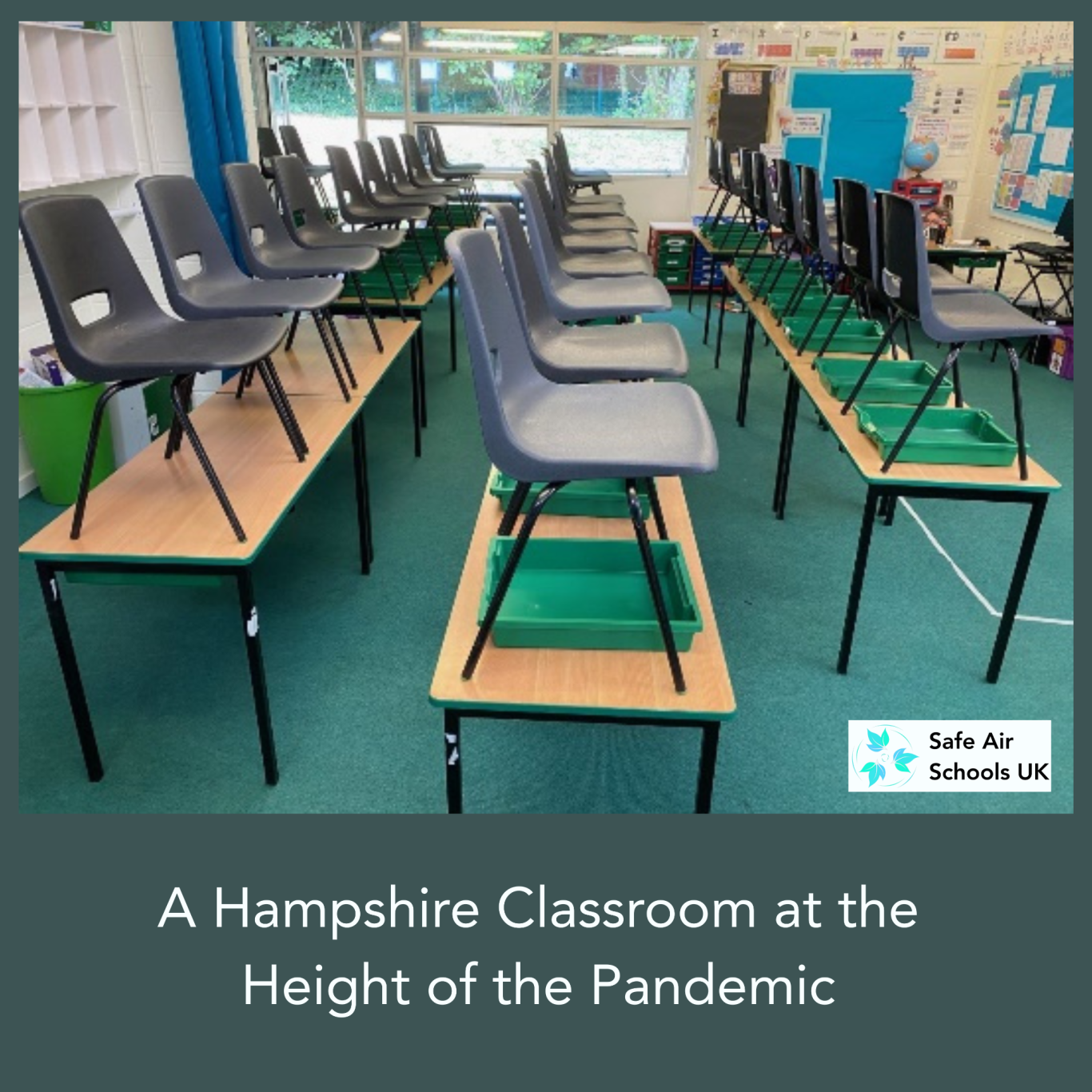
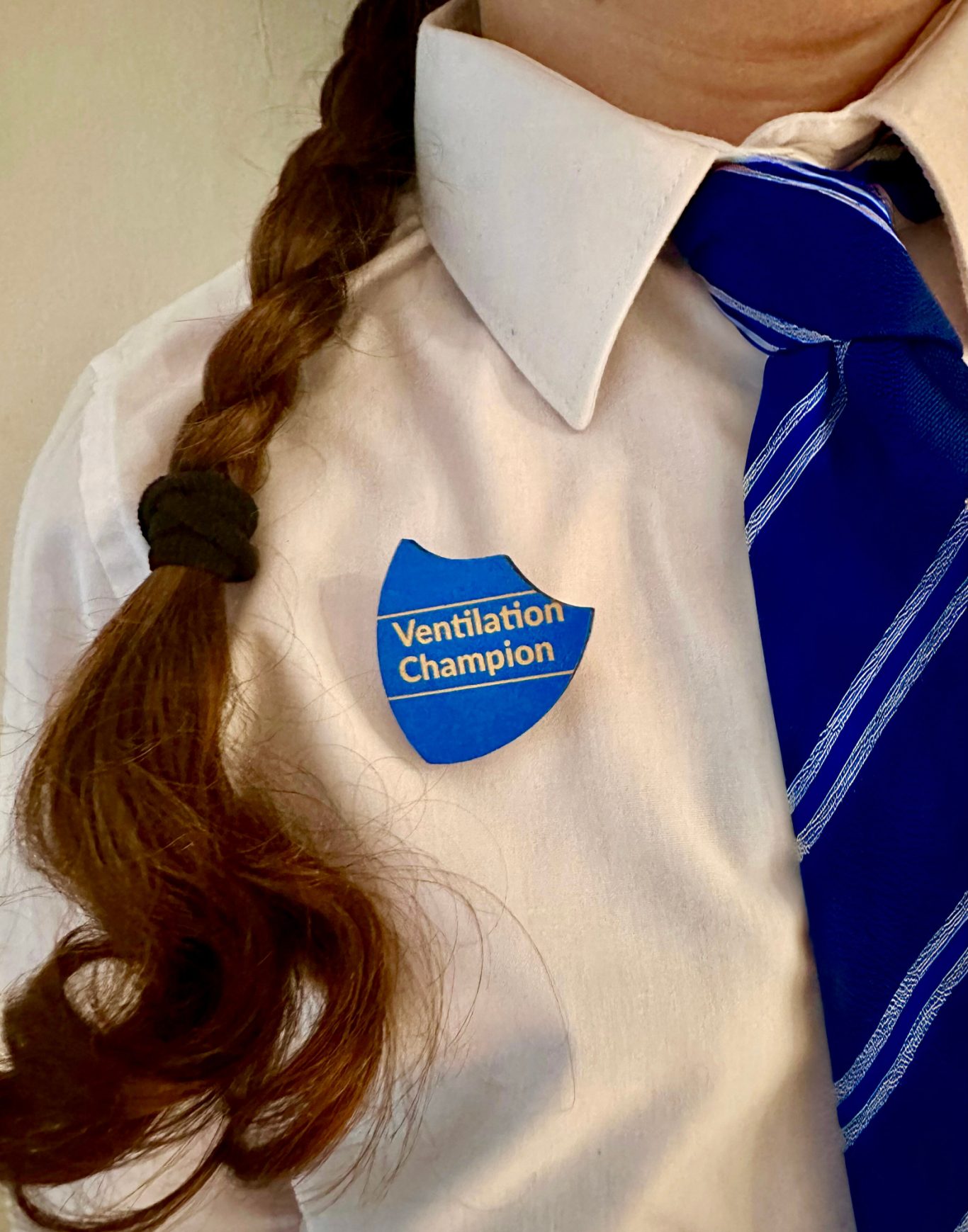
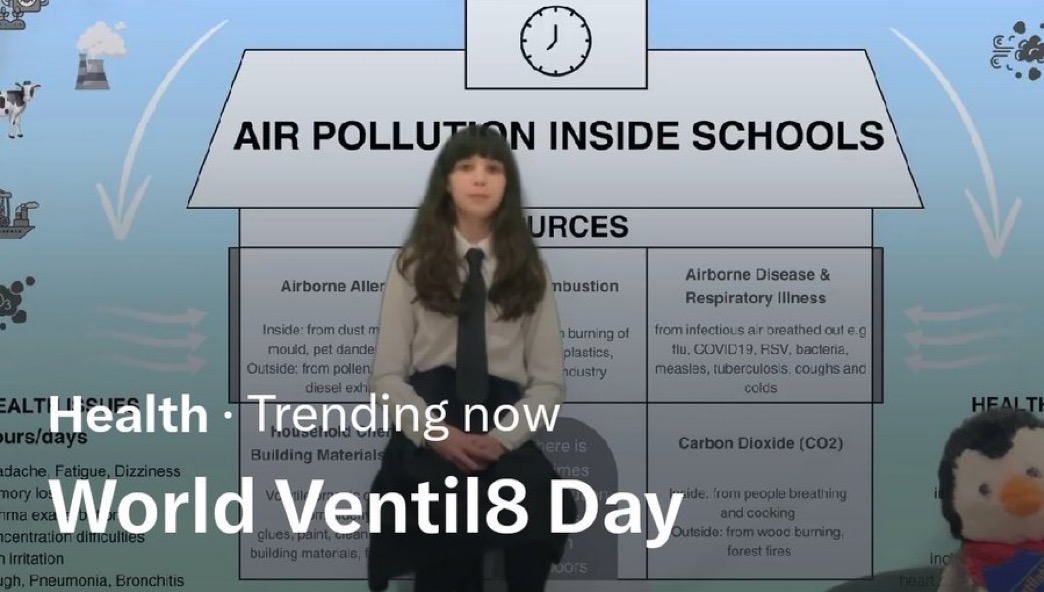
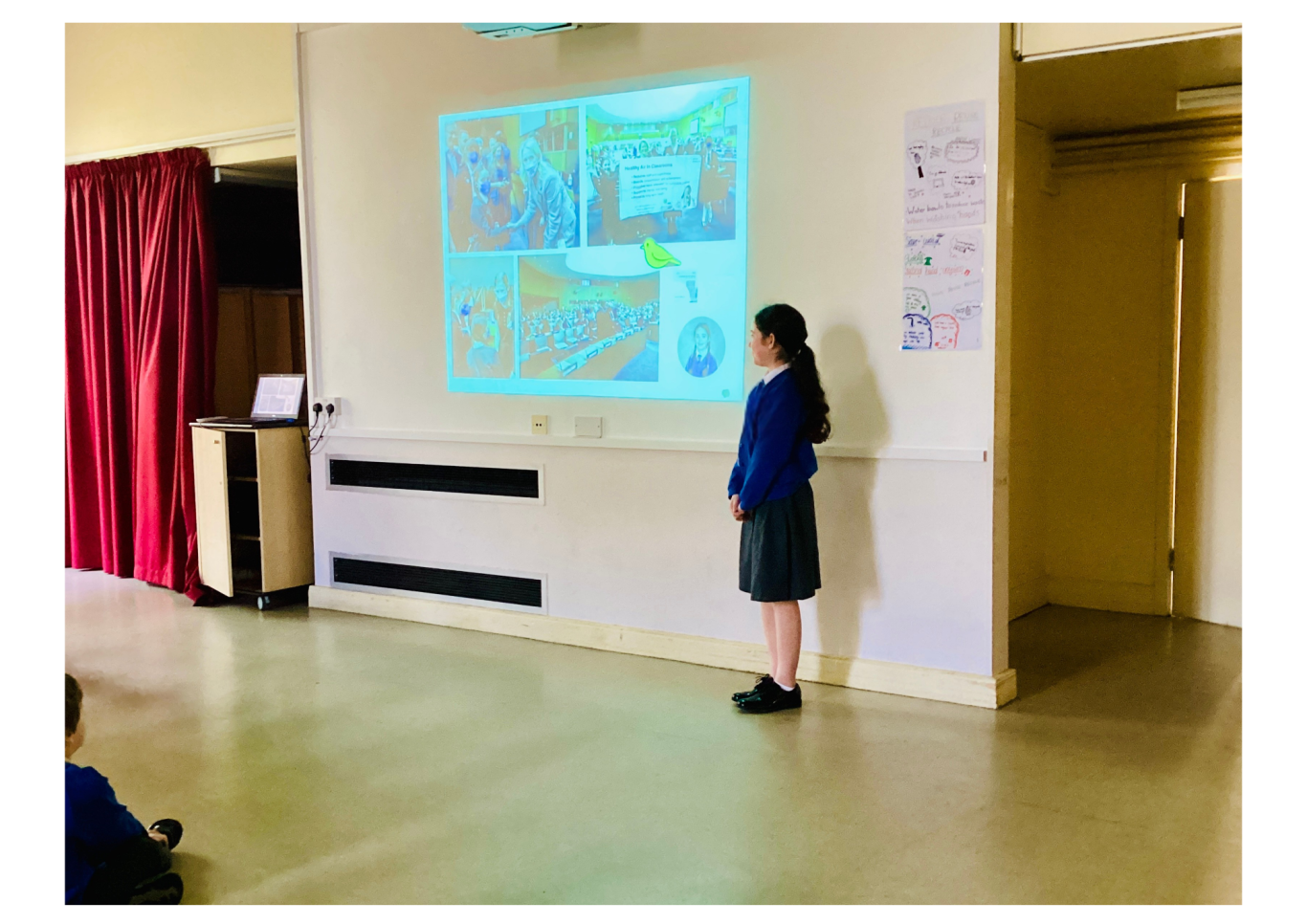
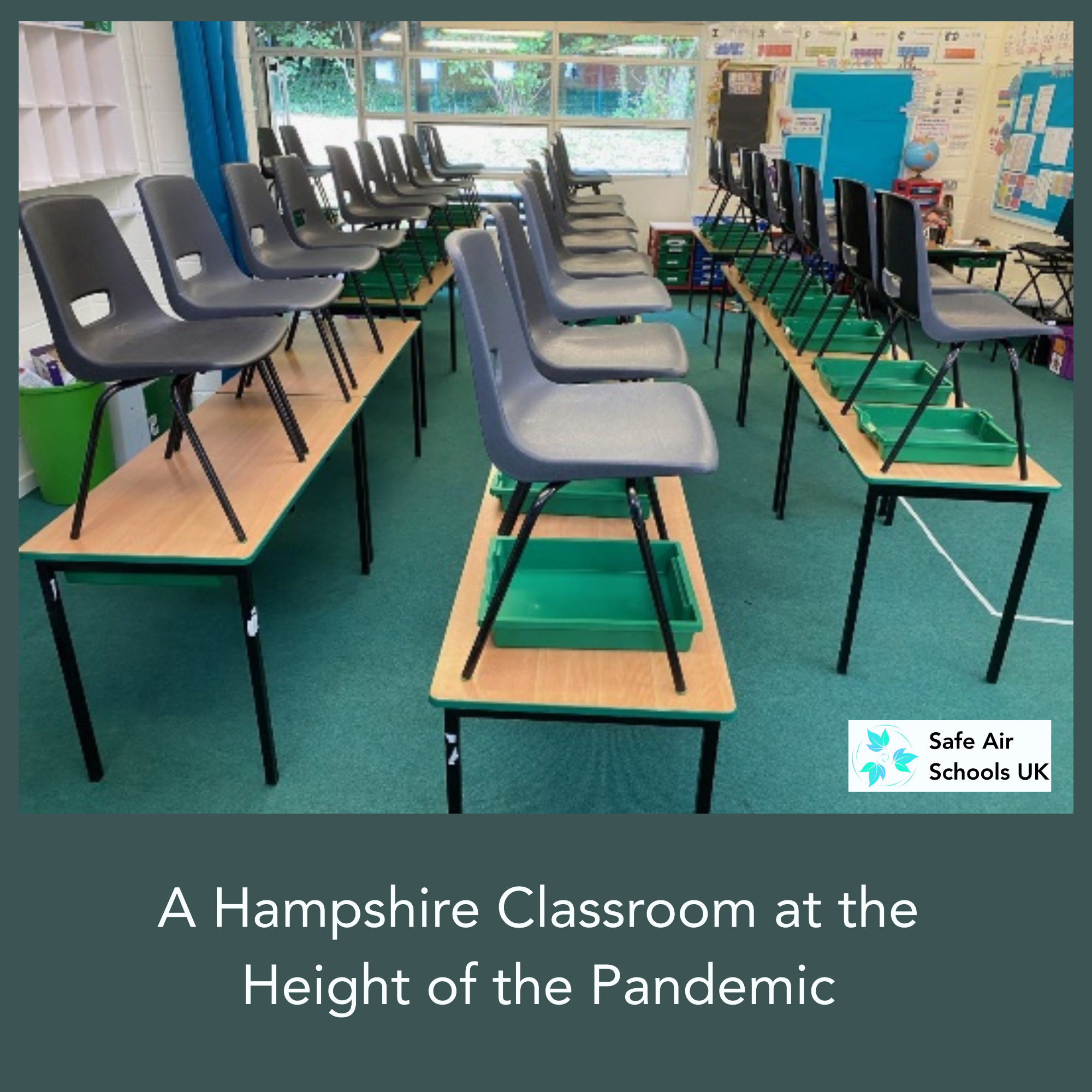
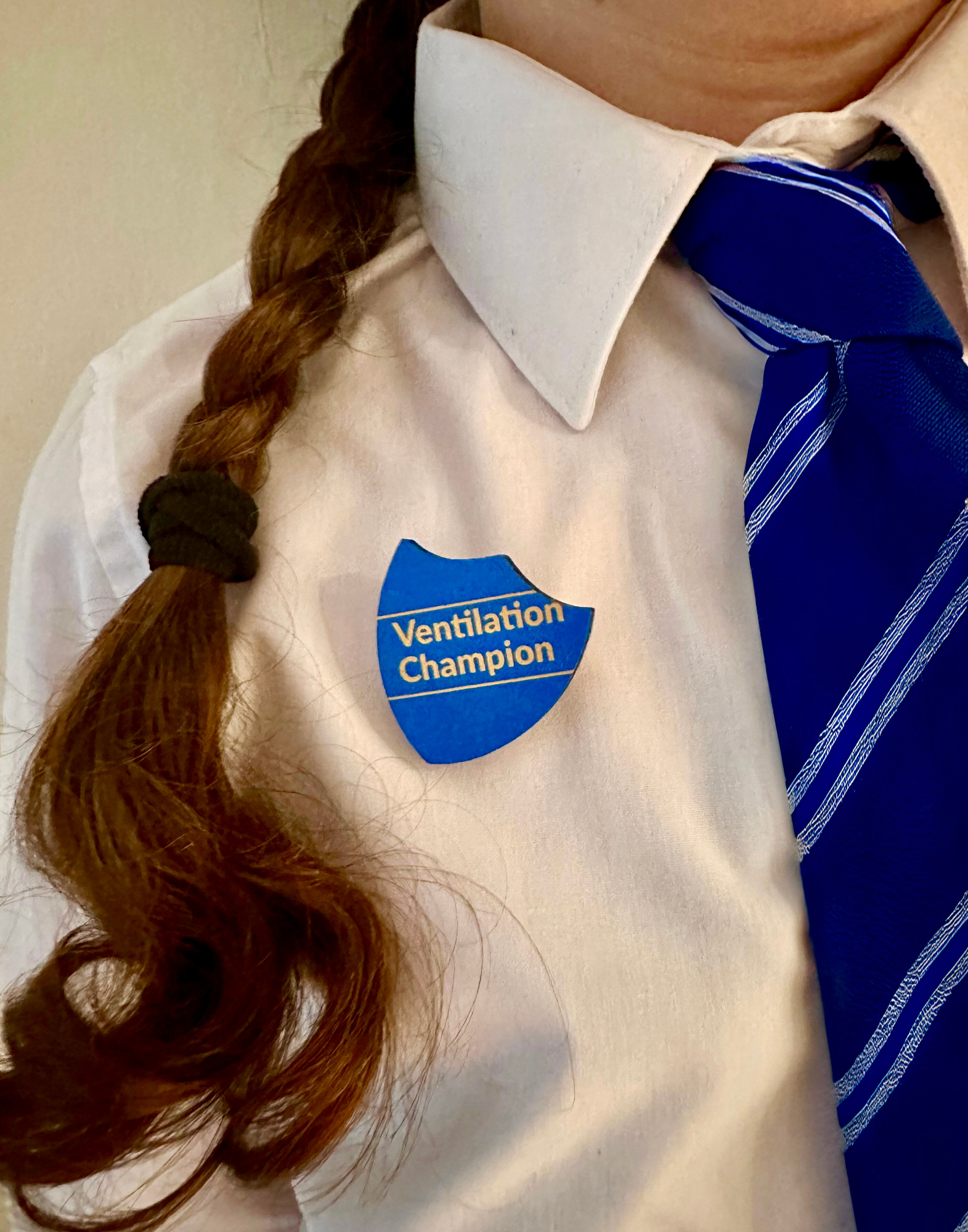
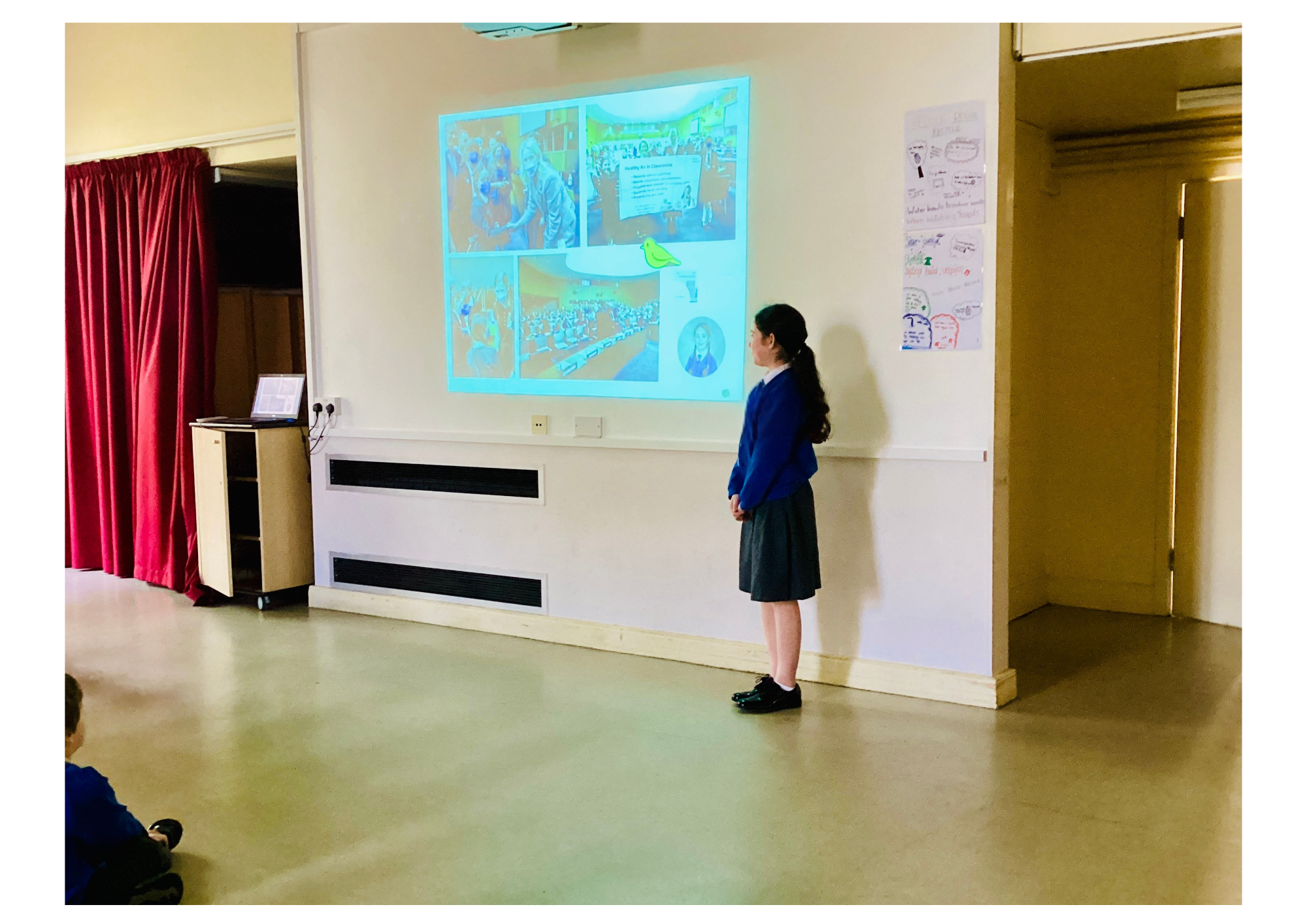
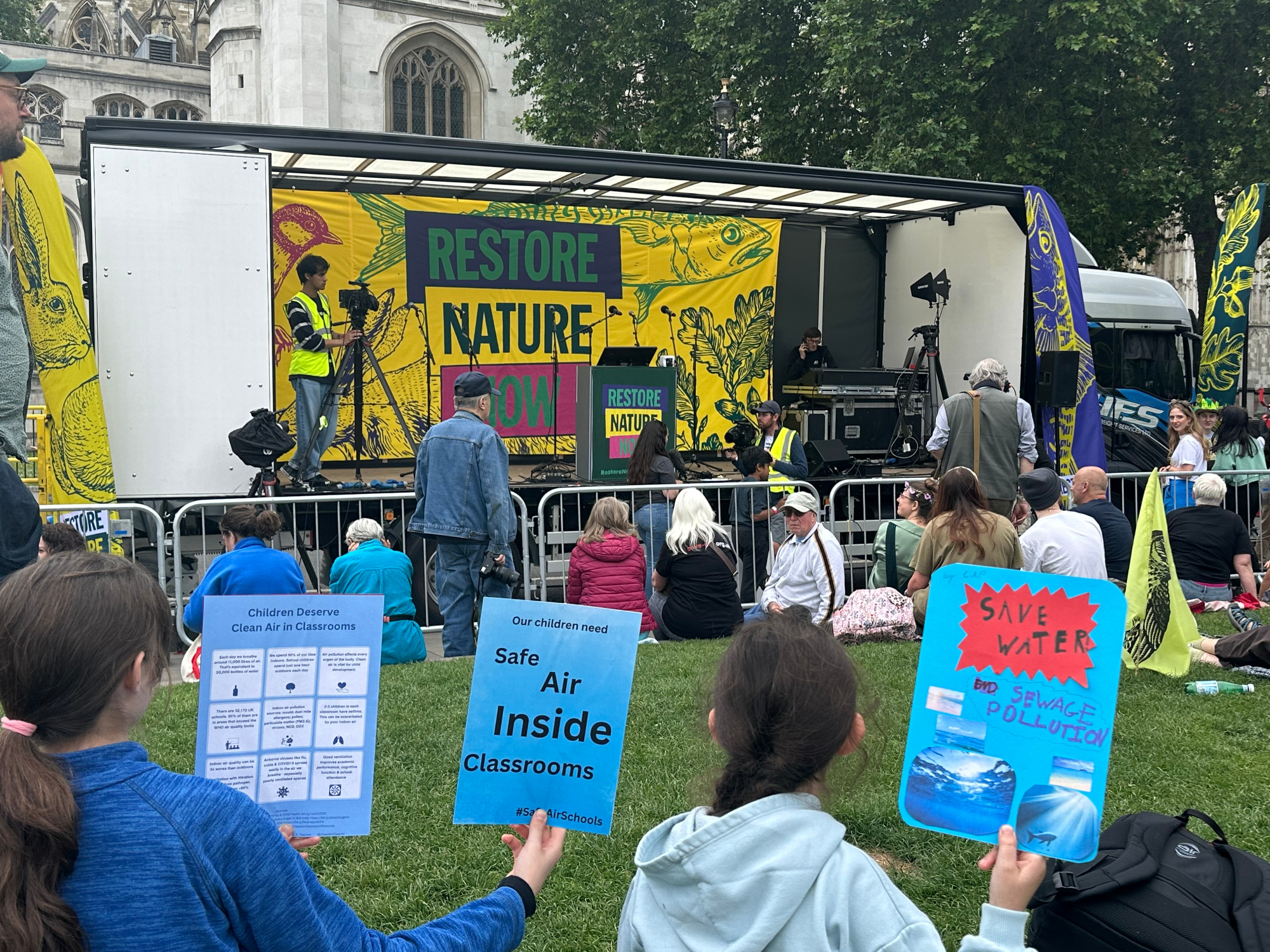
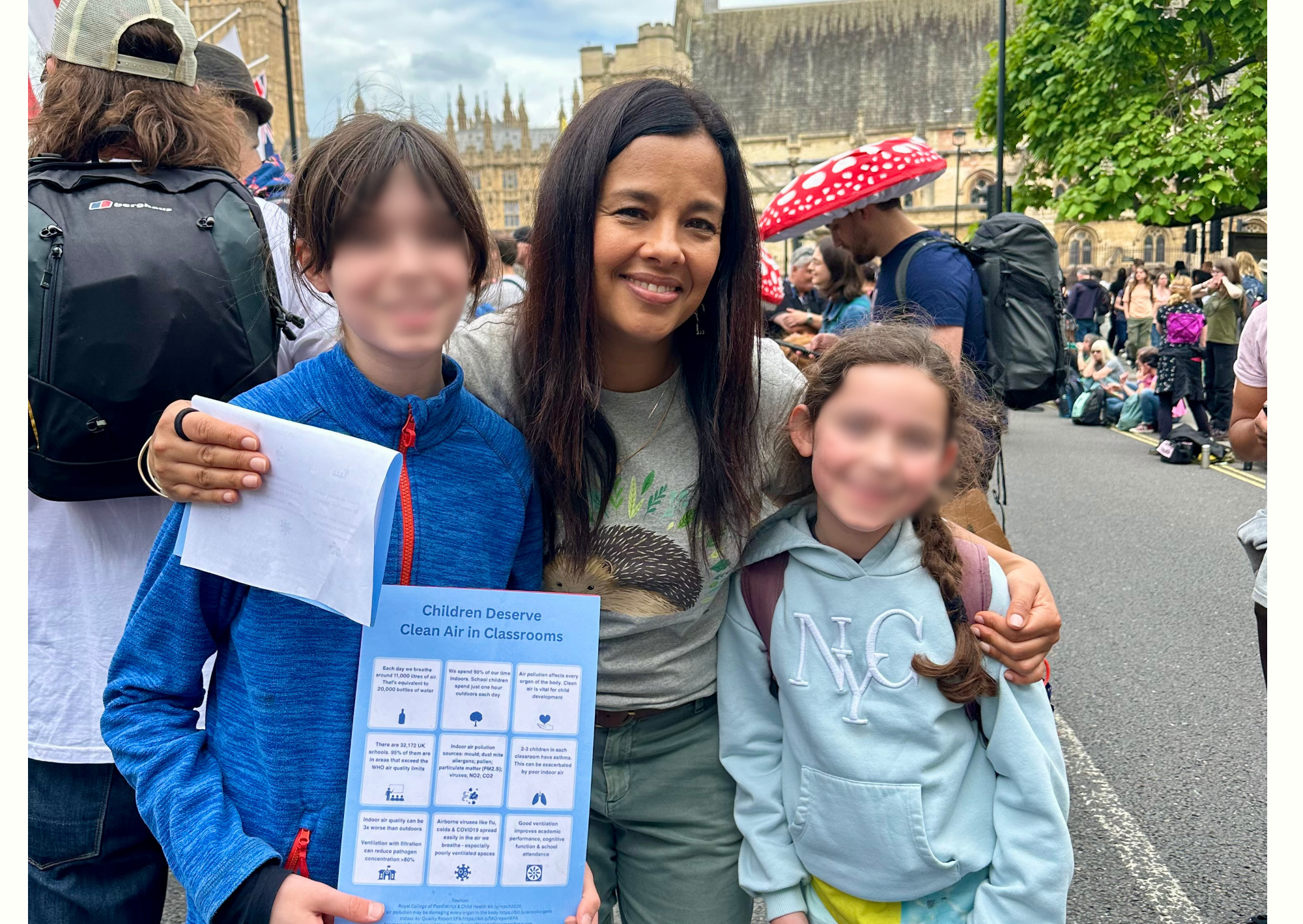
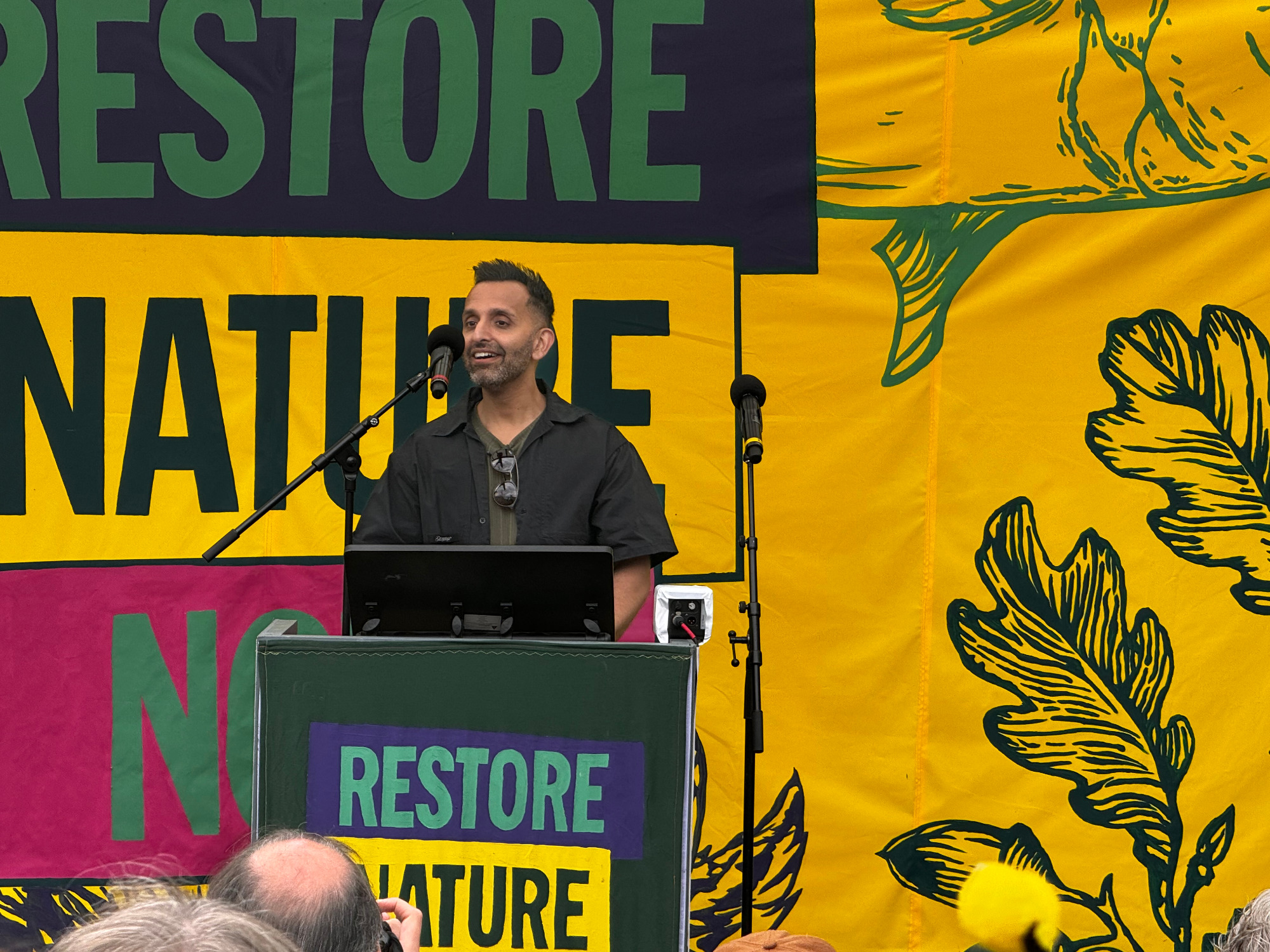
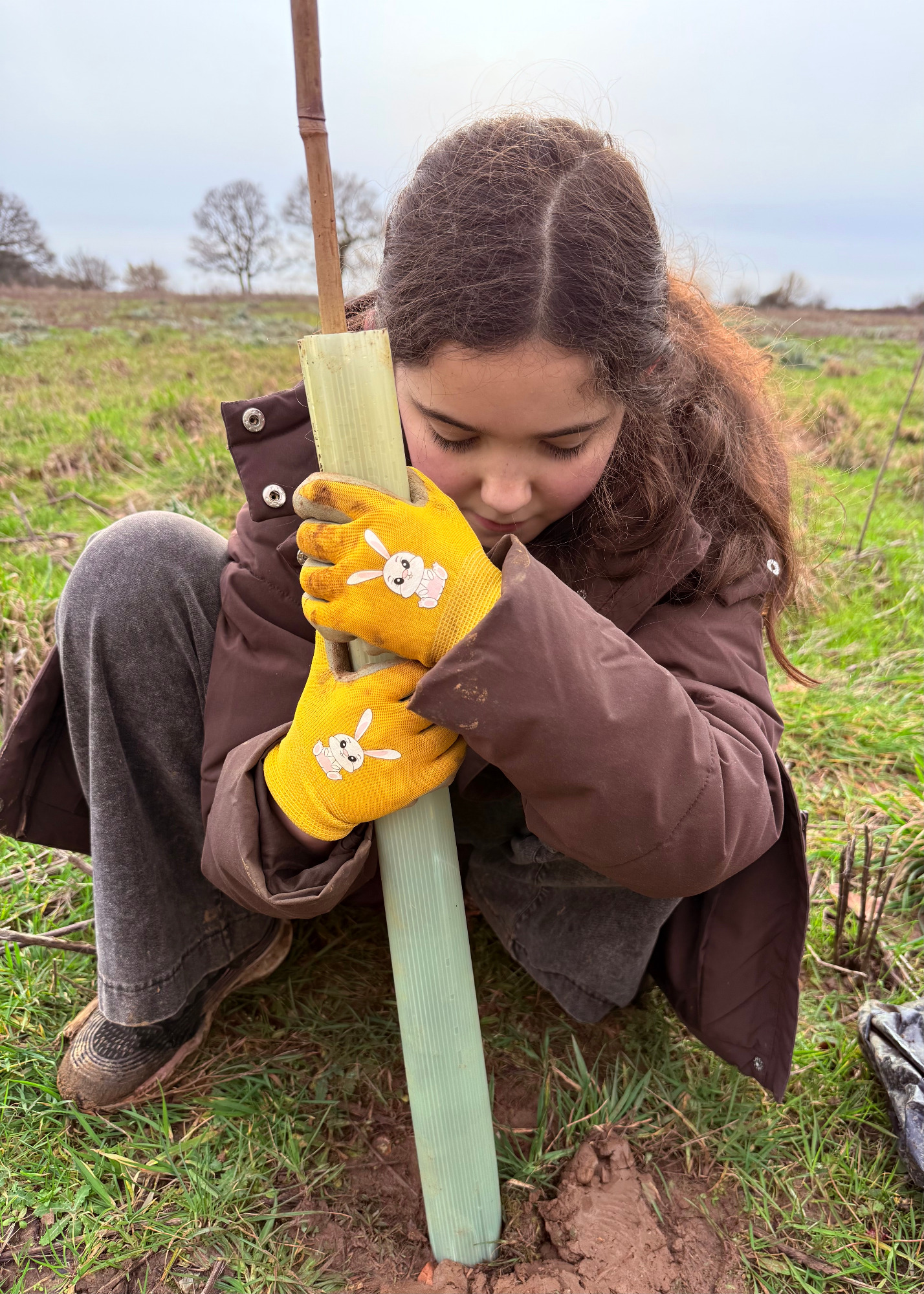
Examples of challenges and action in Hampshire
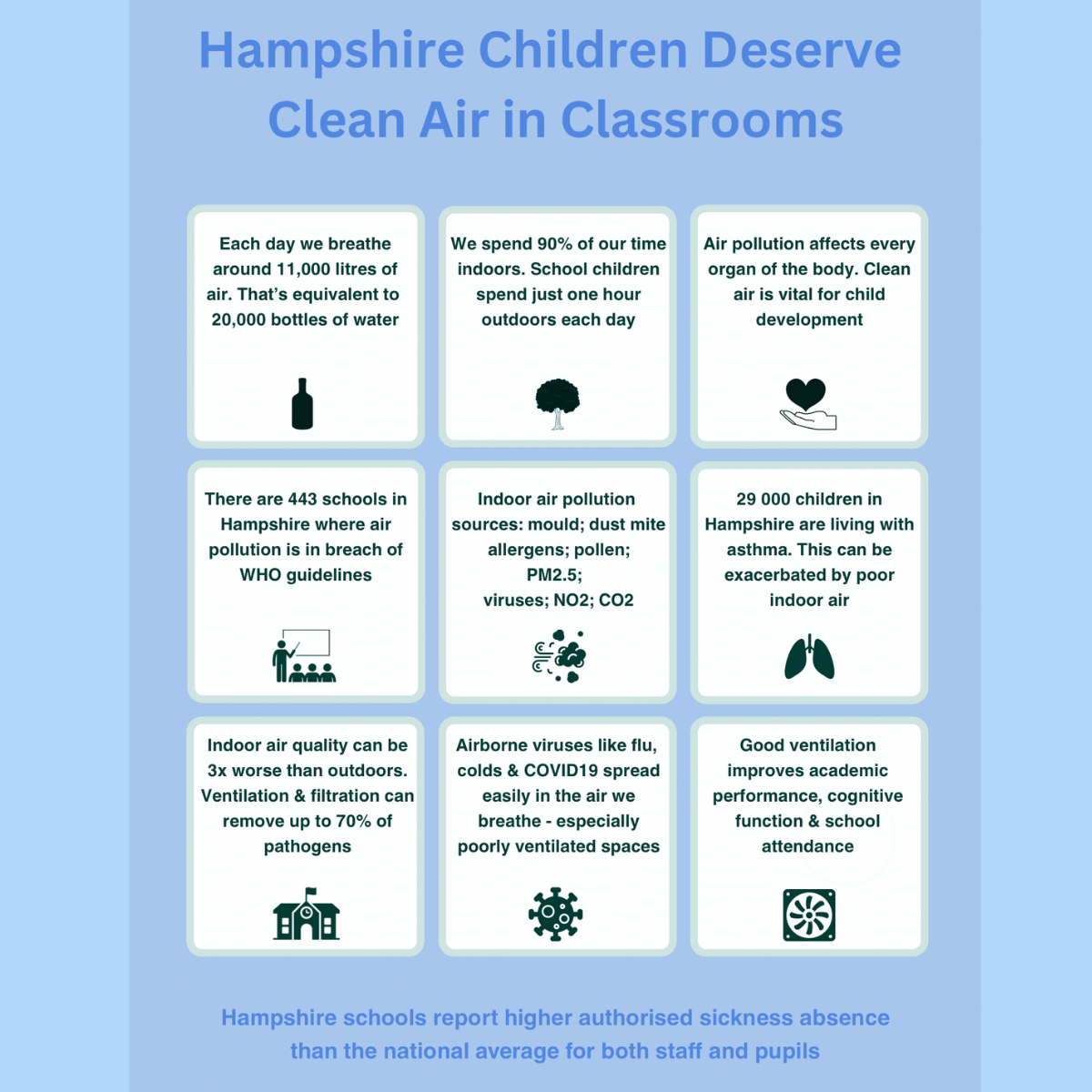
443
Number of schools in Hampshire where air pollution is in breach of WHO PM2.5 or NO2 guidelines (Local authority data c/o Friends of The Earth)
Higher
Hampshire schools report higher authorised sickness absence than the national average for both staff and pupils. Government Data
29 000
Estimated from national averages applied to Hampshire's child population of 320 000. Other child chronic illness data unavailable

Donate to Support Safe Air Schools
Community Interest Company No. 16405838. Registered Office: Southgate Chambers, 37 Southgate Street, Winchester, Hampshire. England, SO23 9EH
©2026 Safe Air Schools UK CIC
Donate to Support Safe Air Schools
Community Interest Company No. 16405838. Registered Office: Southgate Chambers, 37 Southgate Street, Winchester, Hampshire. England, SO23 9EH
©2026 Safe Air Schools UK CIC