
Evidence in Action
London
- Mass roll-out of air filters and monitors across London schools
- PM2.5 up to 68% lower in classrooms with filters compared to classrooms without
As part of a wider programme to reduce emissions, encourage greener travel, and promote education on air pollution and sustainability, the Mayor introduces air filters and indoor air quality monitoring to 200 London schools.
Hertfordshire
Mass roll-out of air filters and monitors across Hertfordshire Schools
The Lancet
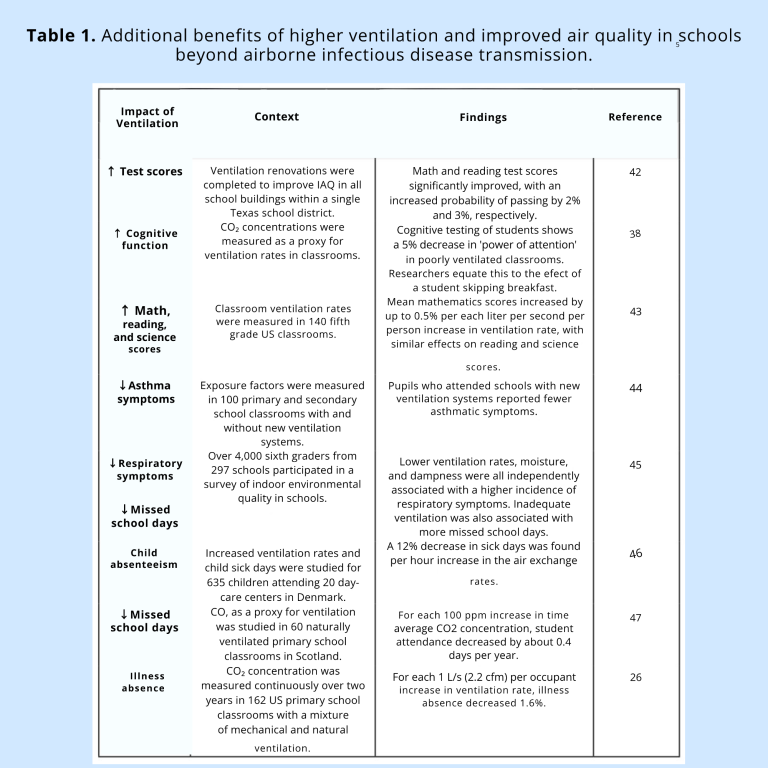
- Improved test scores; cognition; math, reading and science scores
- Reduced asthma symptoms; respiratory symptoms; missed school days;
- child absenteeism; illness absence
A report by the The Lancet COVID-19 Commission Task Force on Safe Work, Safe School, and Safe Travel. The report evidences the benefits of improved air quality in schools.
Professor Prashant Kumar
Air purifiers in classrooms cut PM by up to 57%
Green screens reduced playground PM by up to 44%
School streets reduced outdoor PM by up to 36%
In research titled "Investigation of air pollution mitigation measures, ventilation and indoor air quality at three schools in London", Professor Kumar and his team demonstrated how simple measures could make a significant difference to tens of thousands of children in the UK. This research can be found in the Journal of Atmospheric Environment.
Professor Kumar is Founding Director of The Global Centre for Clean Air Research located just down the road from us in Hampshire. Their work has consistently shown the clear advantages of air purifiers in classrooms throughout the height of the pandemic and onwards.
Professor Kumar is one of the most highly cited scientists in his field and a leading researcher on the impact of air pollution on the health of children and young people. The California Air Resources Board has recognised Professor Kumar with the prestigious Haagan-Smit Clean Air Award, widely considered to be the "Nobel Prize" in air quality achievement.

The underpinning factors affecting the classroom air quality, thermal comfort and ventilation in 30 classrooms of primary schools in London
Assessing the impact of air purifier and scheduled natural ventilation on pollution-ventilation nexus in a a near highway infant school
Micro-characteristics of a naturally ventilated classroom air quality under varying air purifier placements. Environmental Research
Italy: Air Purification and School Attendance
Air purificaton improved classroom air quality and was associated with fewer absences.
A randomised controlled trial across five primary schools in Milan followed 95 classrooms and 2,000 pupils to investigate whether portable air cleaners could improve classroom air quality and pupil attendance.
Classrooms using air cleaners had 32% lower indoor PM2.5 concentrations.
The study also found a 12.5% reduction in pupil absenteeism.
Pupils in classrooms using air cleaners also reported fewer respiratory symptoms including coughing and nasal symptoms.
Asthma Friendly Schools Guides
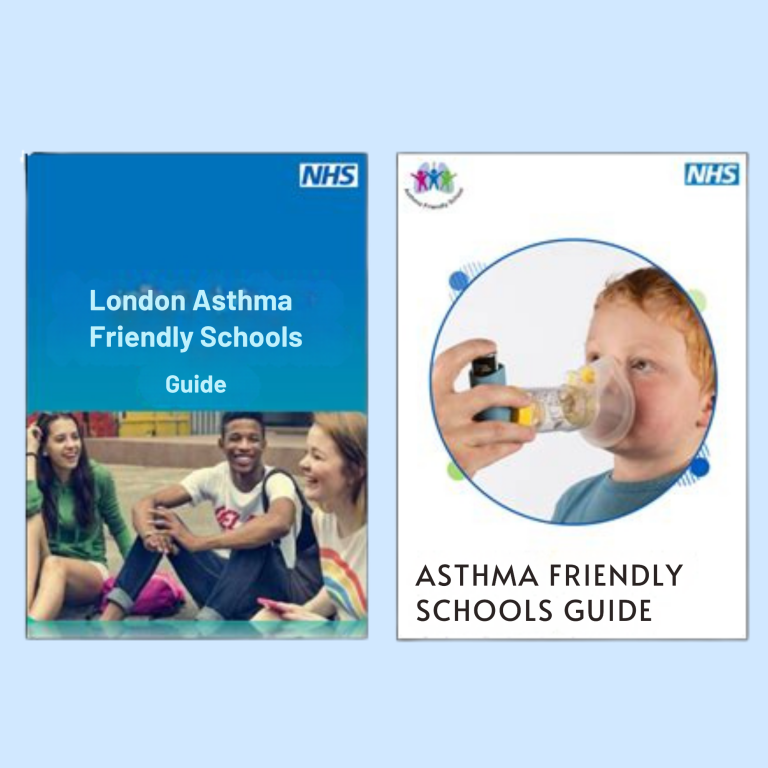
Leading Asthma-Friendly School Guides support air filtration and ventilation to protect children with asthma
Schools and local authorities in London reference the London Asthma Friendly Schools Guide as a model of good practice, whilst the Asthma Friendly (Children & Young People) Schools Guidelines were created to support all Integrated Care Boards and local authorities across England, providing a clear framework that can be applied nationally to protect children with asthma.
Report
Royal College of Physicians and Royal College of Paediatrics and Child Health
The inside story: Health effects of indoor air quality on children and young people. A report by the Royal College of Paediatrics and Child Health and the Royal College of Physicians
Recommendations for government and local authorities, with guidance for families
Hospital Trust
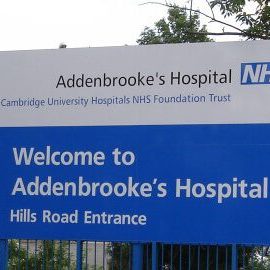
Pioneering research by doctors and scientists from the University of Cambridge and Cambridge University Hospitals NHS Trust has shown that air filters reduce the risk of airborne infections, leading to the installation of air filters across the Trust to help protect patients and staff.
Air filters help reduce the risk of hospital infections
SAMHE Programme
The Schools Air Quality Monitoring For Health And Education Programme (SAMHE) was a collaboration between five UK universities (University of Cambridge, Imperial College London, University of York (through the Stockholm Environment Institute's York centre), University of Surrey, University of Leeds) and the UK Health Security Agency (UKHSA).
Funding for the SAMHE project was provided by the Department for Education and Engineering and Physical Sciences Research Council (EPSRC).
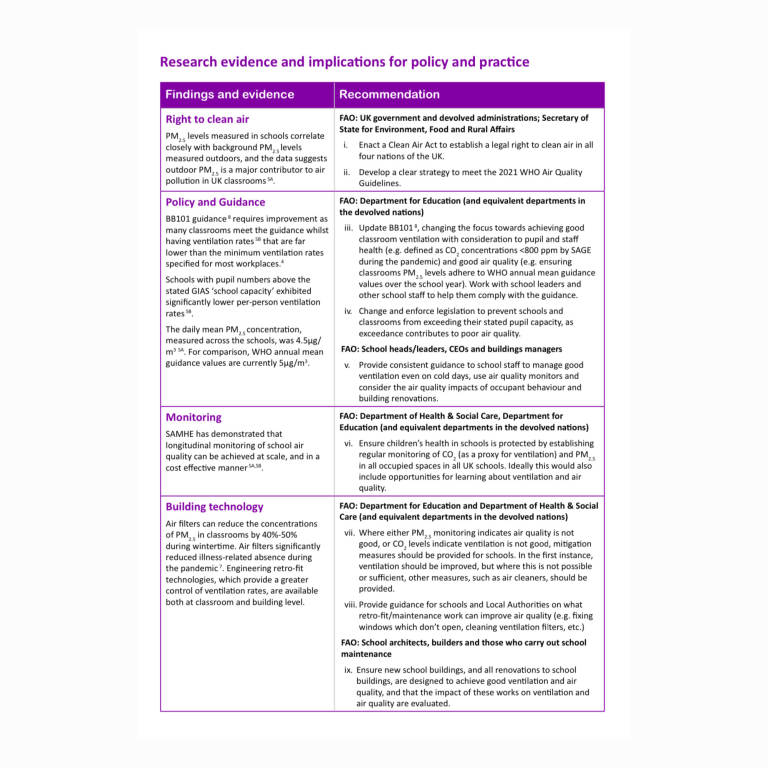
SAMHE produced an evidence synthesis of their work with recommendations for policy and practice, titled Improving Air Quality In Schools.
"School air quality guidance should be updated to focus on providing good ventilation and good air quality"
UKHSA & Eurovent Literature Review
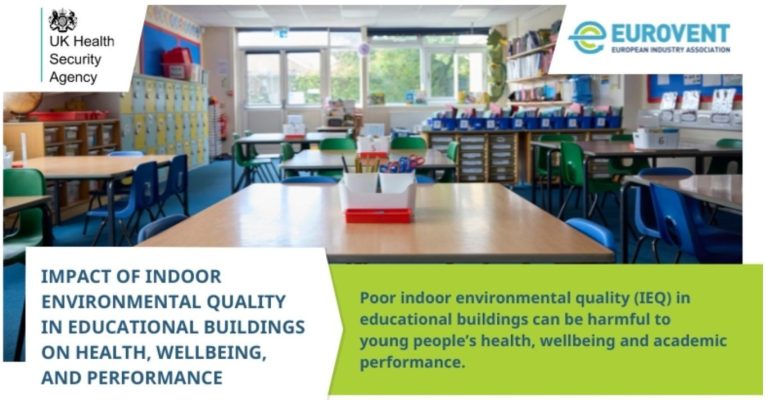
This review is designed to guide policymakers, school administrators, health authorities, building engineers, and educators in creating environments that support optimal learning and development.
The literature review explores the far-reaching effects of indoor environmental quality (IEQ) in schools, nurseries, and universities on occupant health, well-being, academic performance, and absenteeism.
Key recommendations include the use of air cleaners in naturally ventilated buildings
Daycare Centres
Research provides evidence supporting the implementation of air cleaners in daycare centres as an effective, cost-effective strategy for mitigating the spread of respiratory infections among children.
Air purifier use reduces illness absence among children and staff by a third

Distinguished Professor Jose-Luis Jimenez
Hosted by the US Environmental Protection Agency Indoor Environments Division, this webinar features presentations on the health benefits vs disbenefits from indoor air cleaners.
Professor Jimenez is Expert Advisor to Safe Air Schools UK. Further detail about his work can be found on our Expert Advisor page.
Evidence Playlist
Podcasts, webinars and interviews surrounding research on air quality and solutions for classrooms.

Portable Air Cleaners
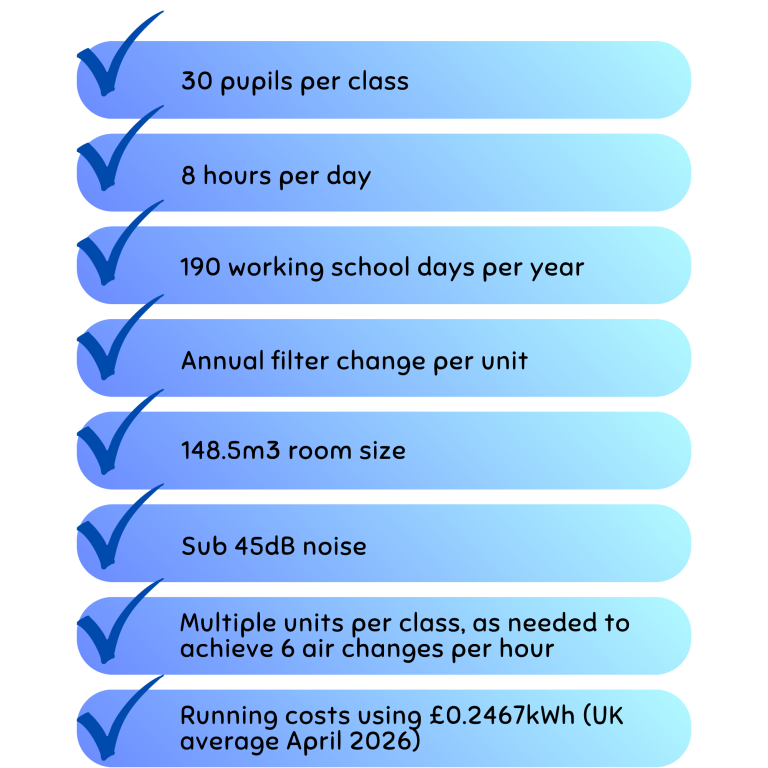
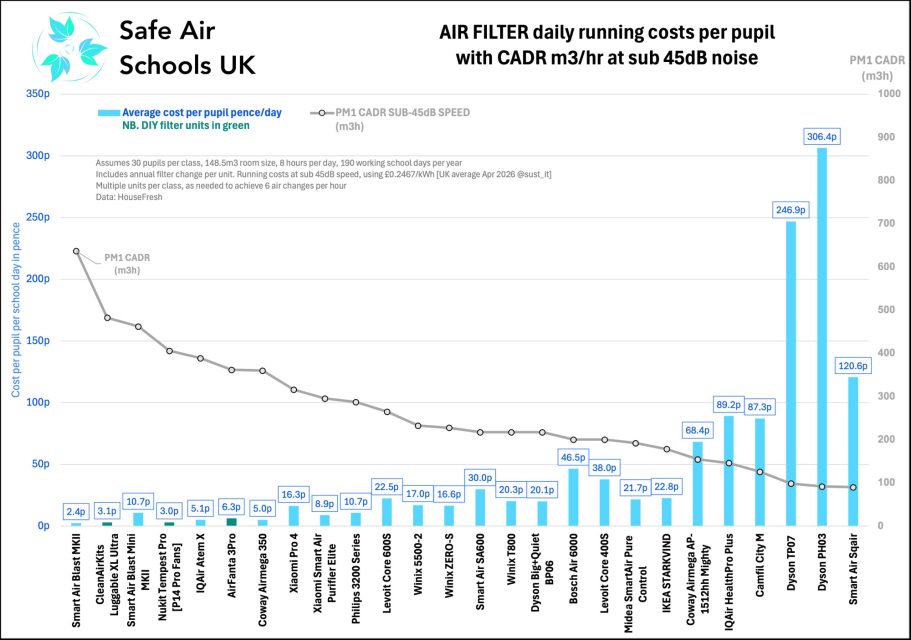
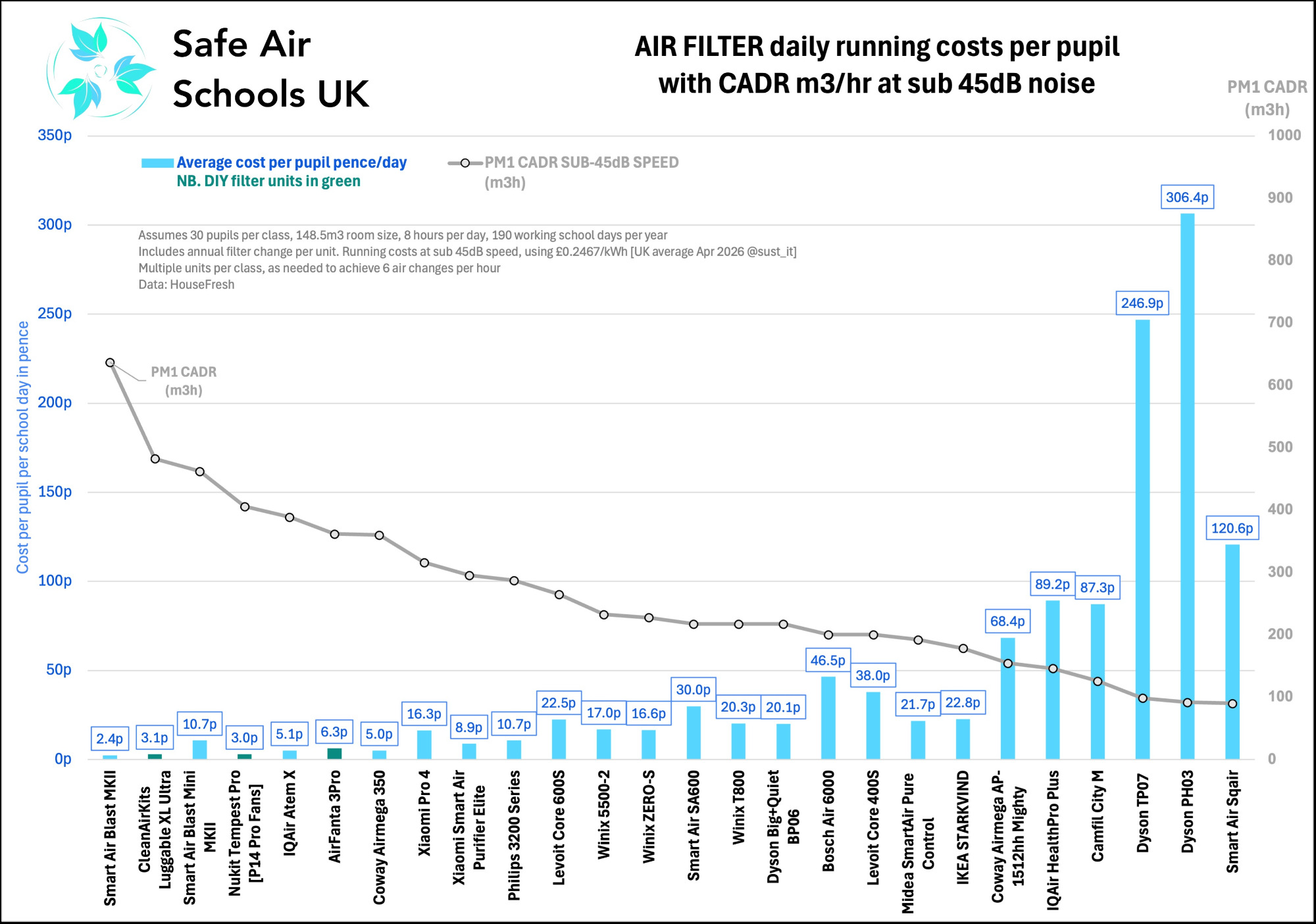
Safe Air Schools UK compared 26 low-maintenance DIY and commercial air cleaners that were immediately available in the UK, using independent third-party performance data from HouseFresh (May 2026).
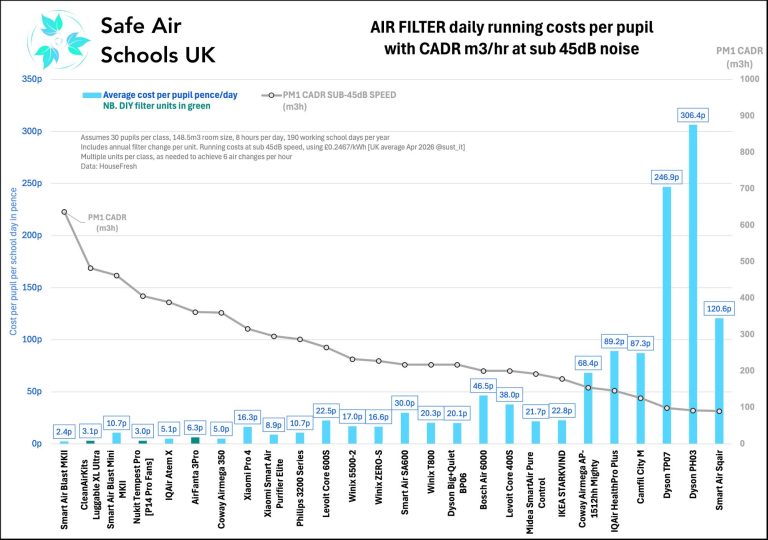
This chart shows that clean air can be provided for 3 pence per child, every day.
Pennies Per Pupil/Day
A 3p Solution
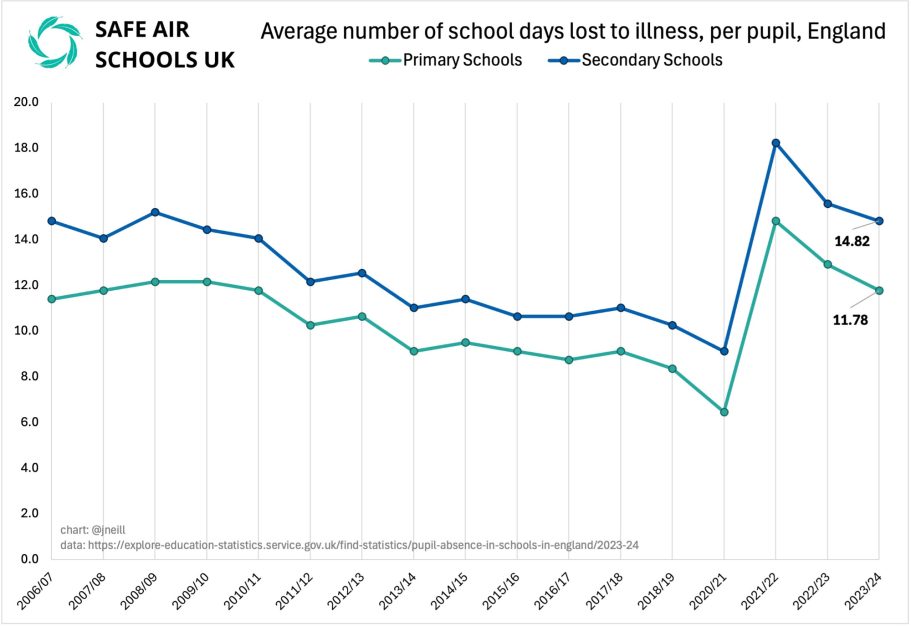
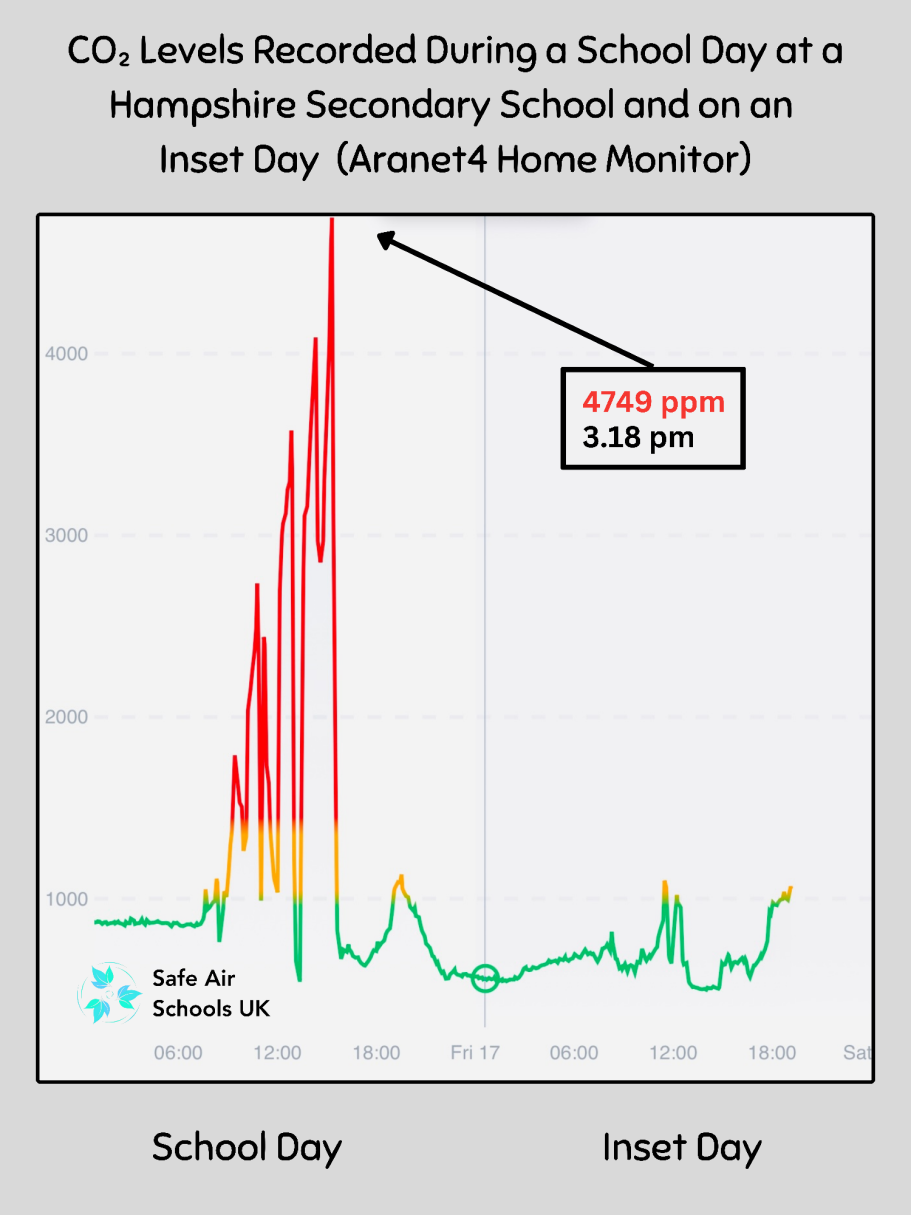
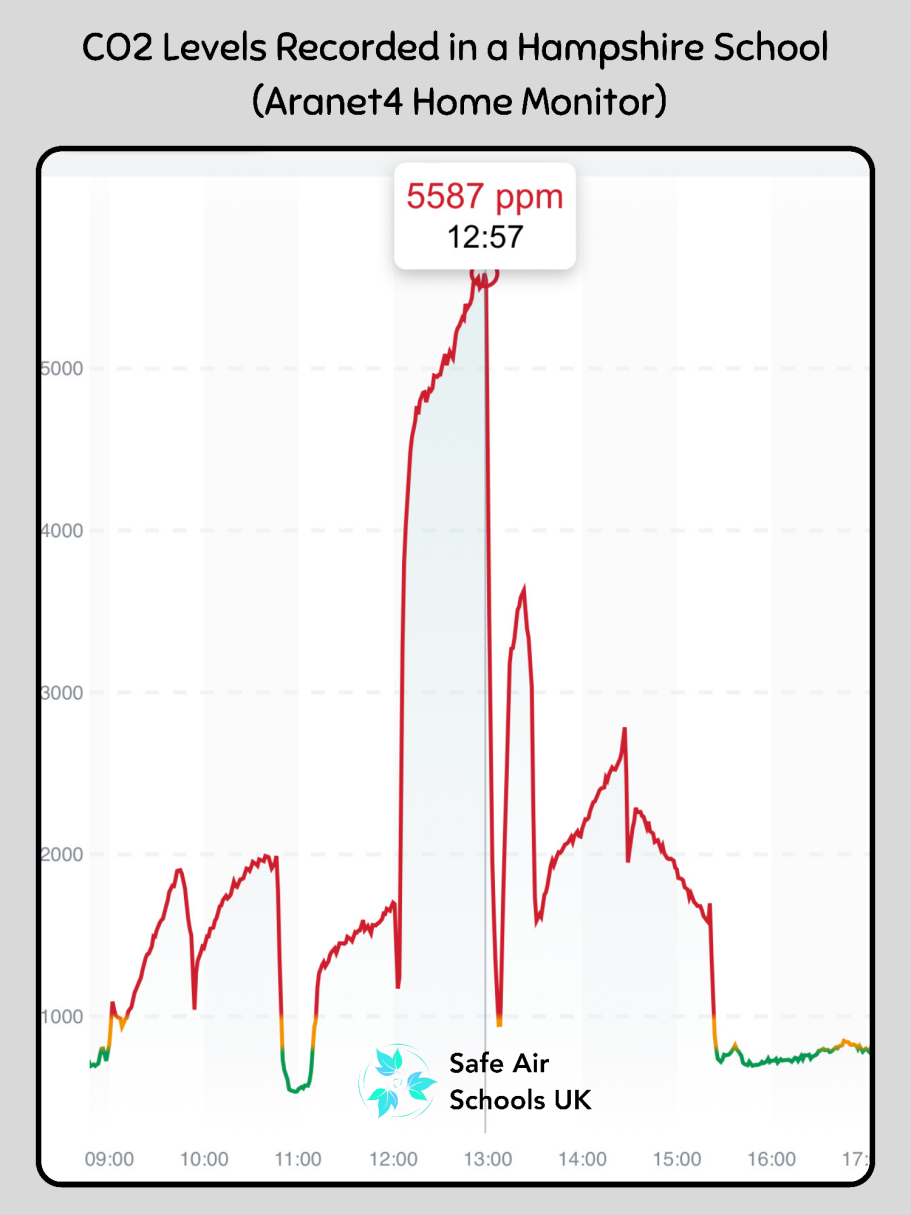
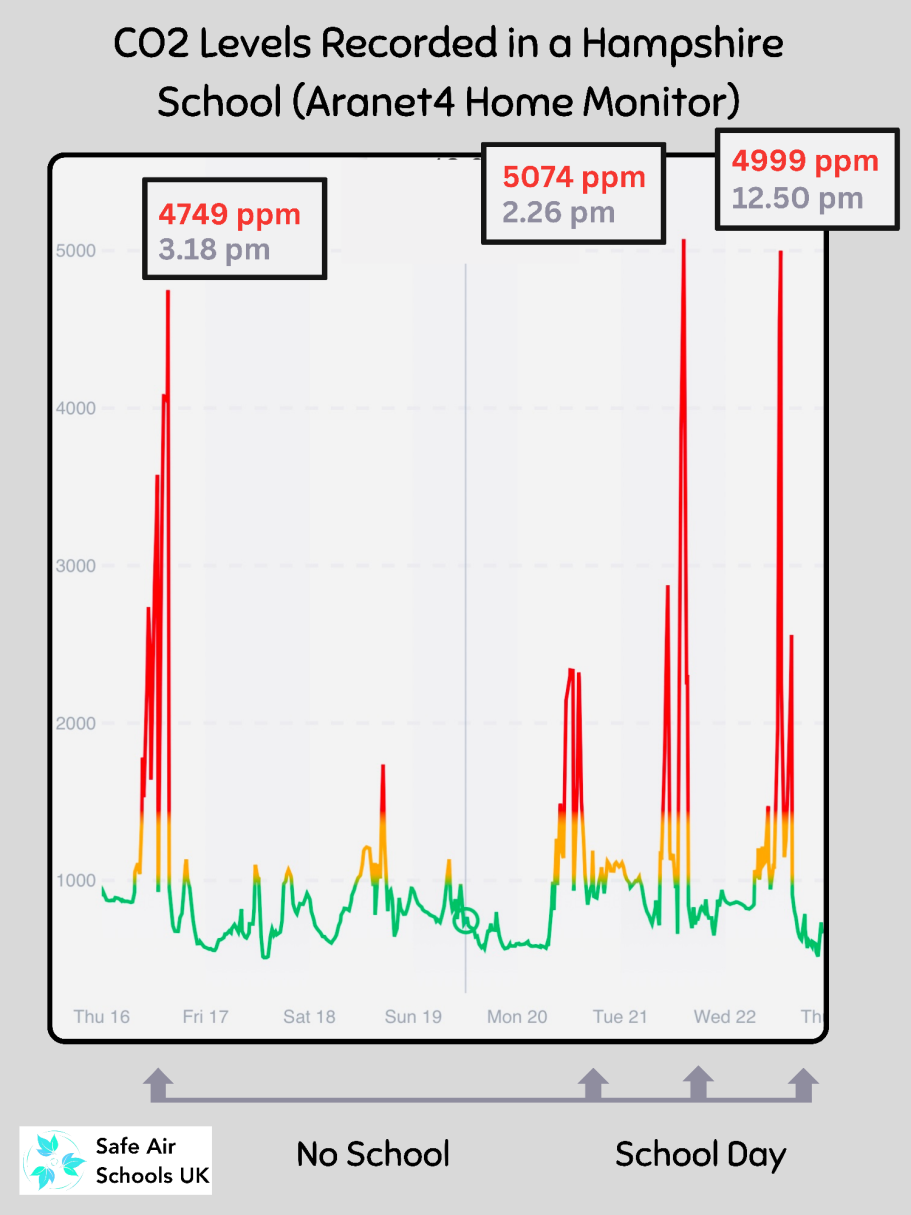
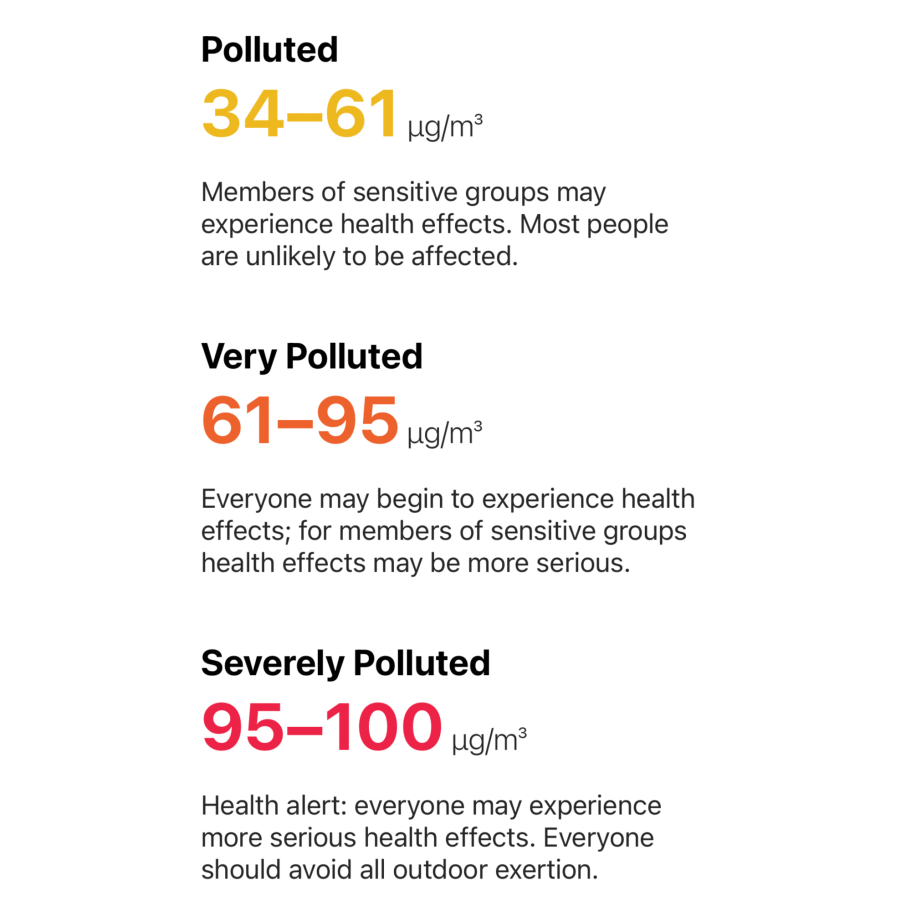
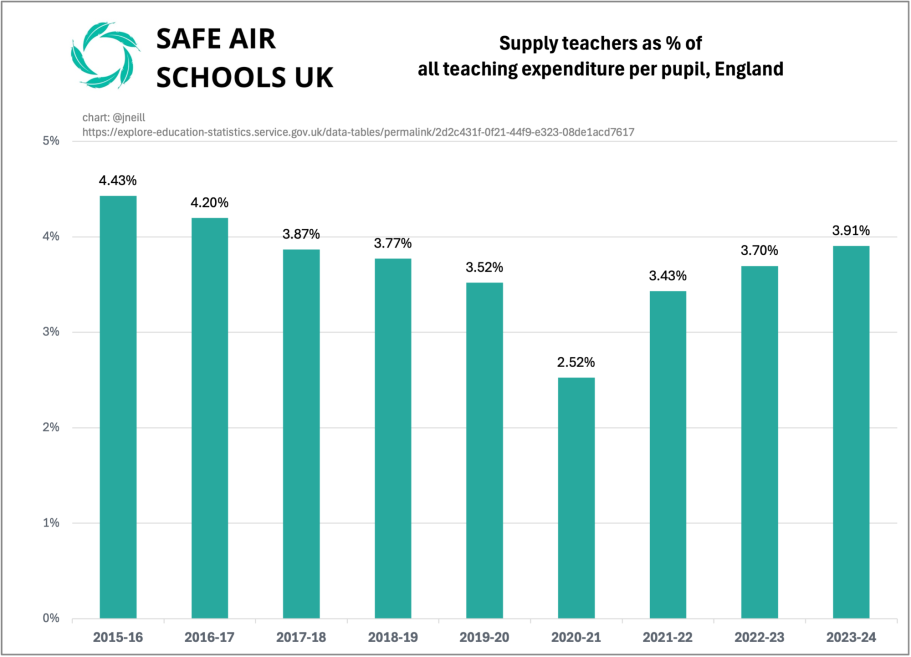
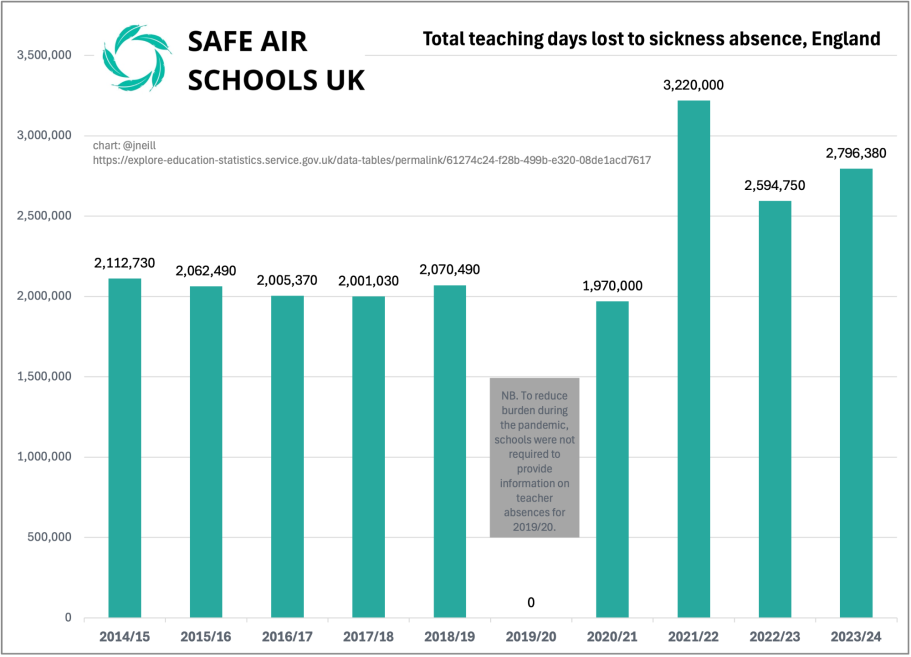
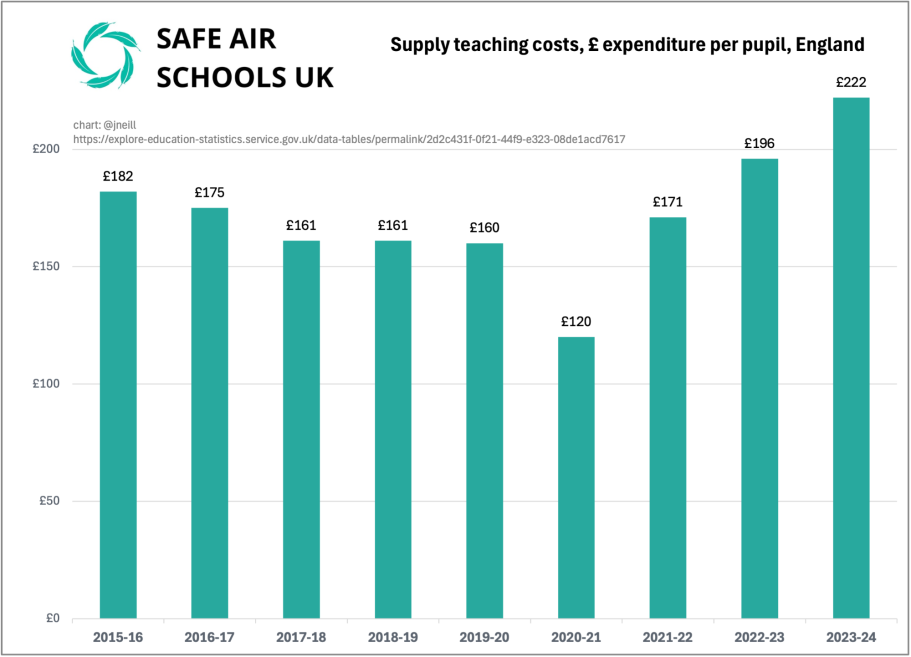
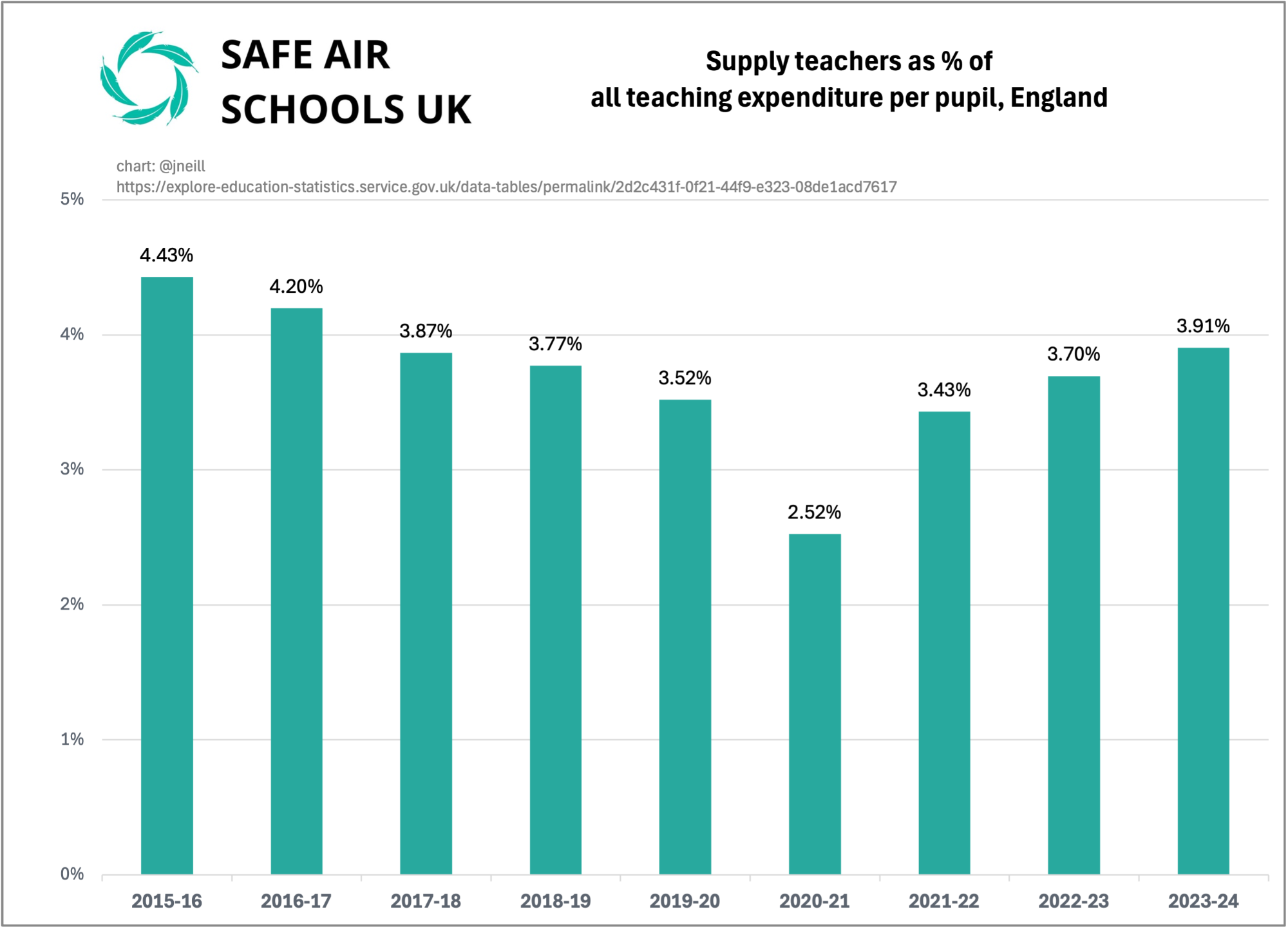
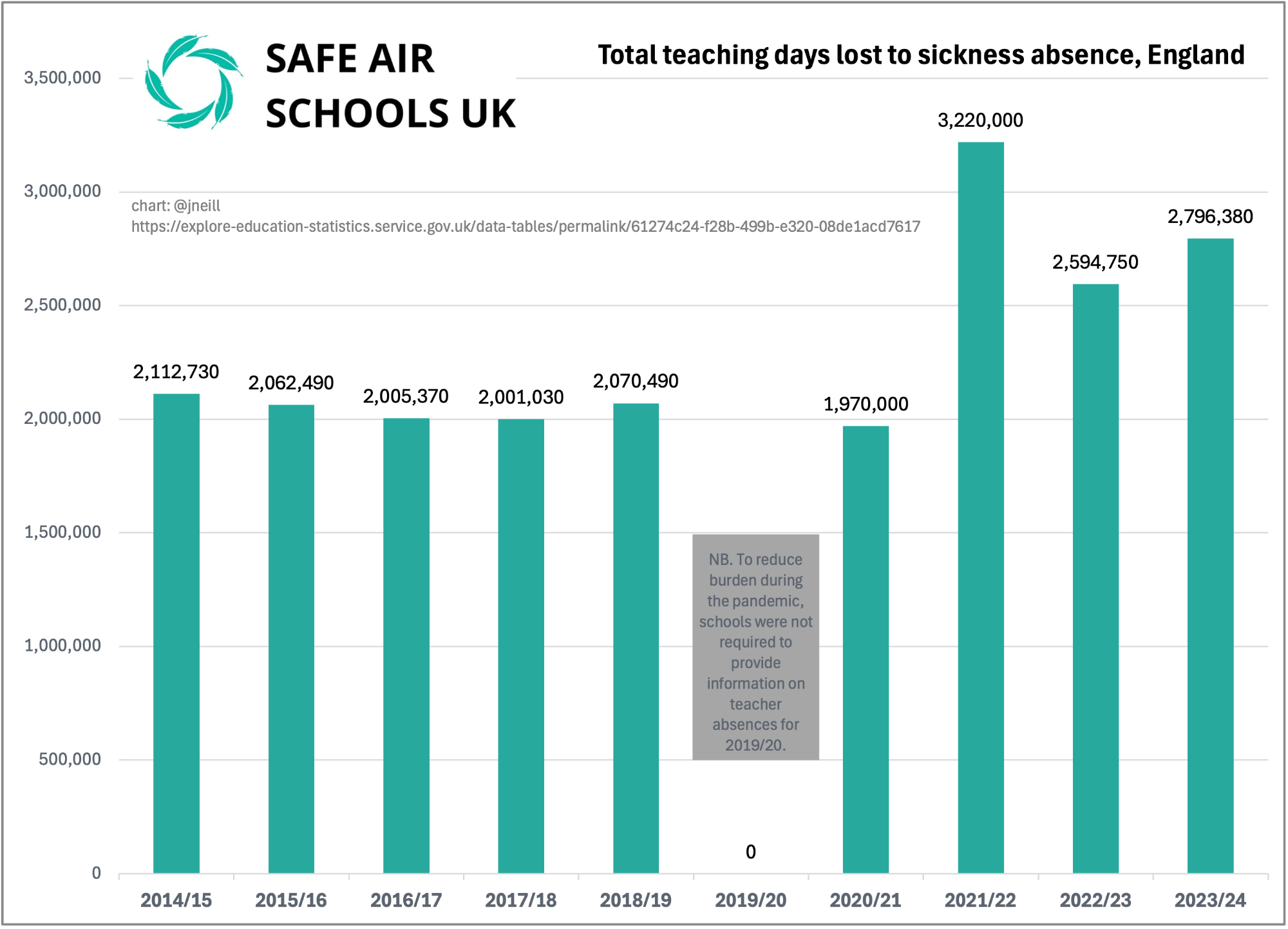
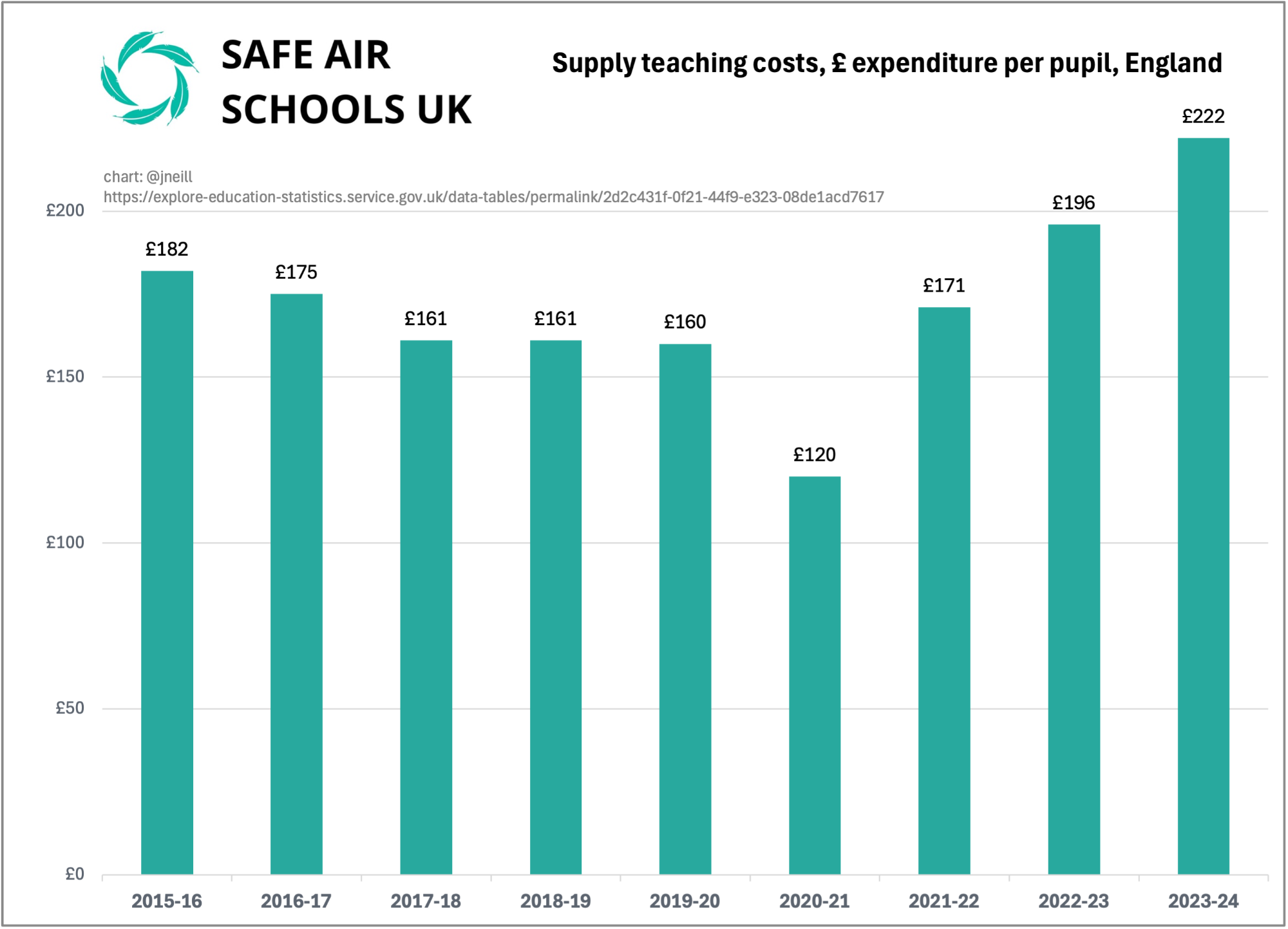
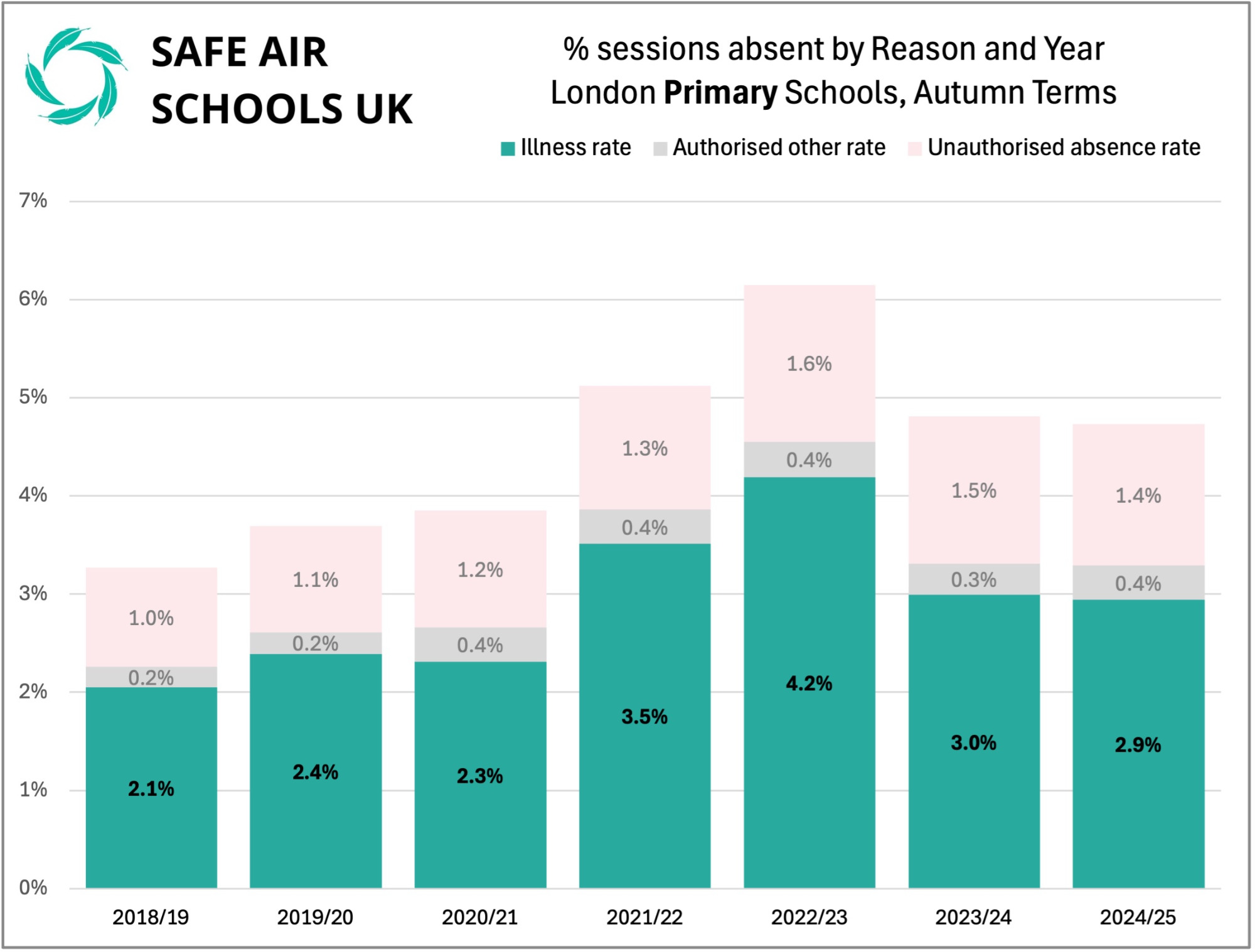
Data Gallery
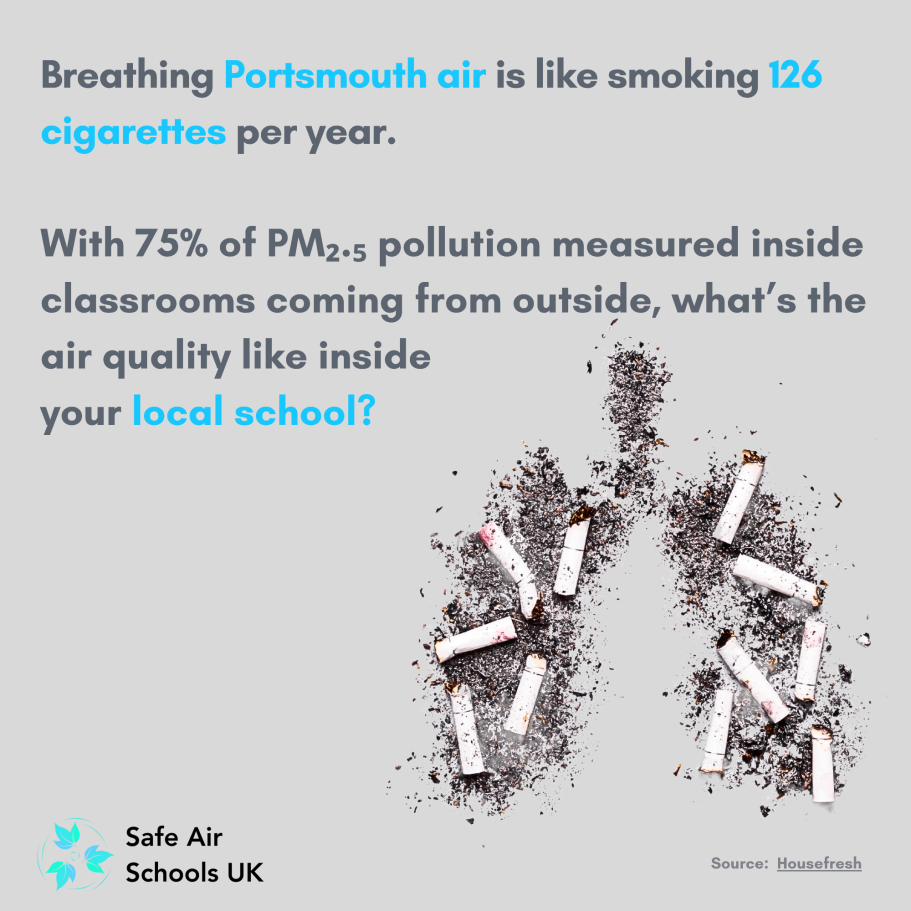
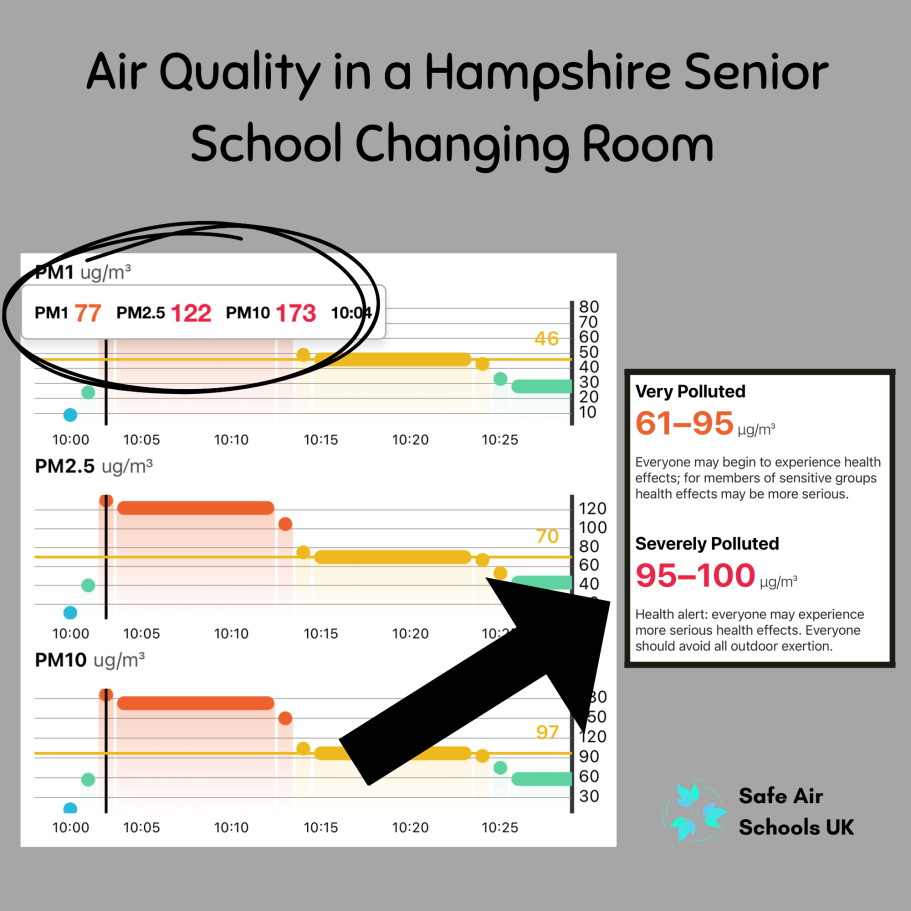
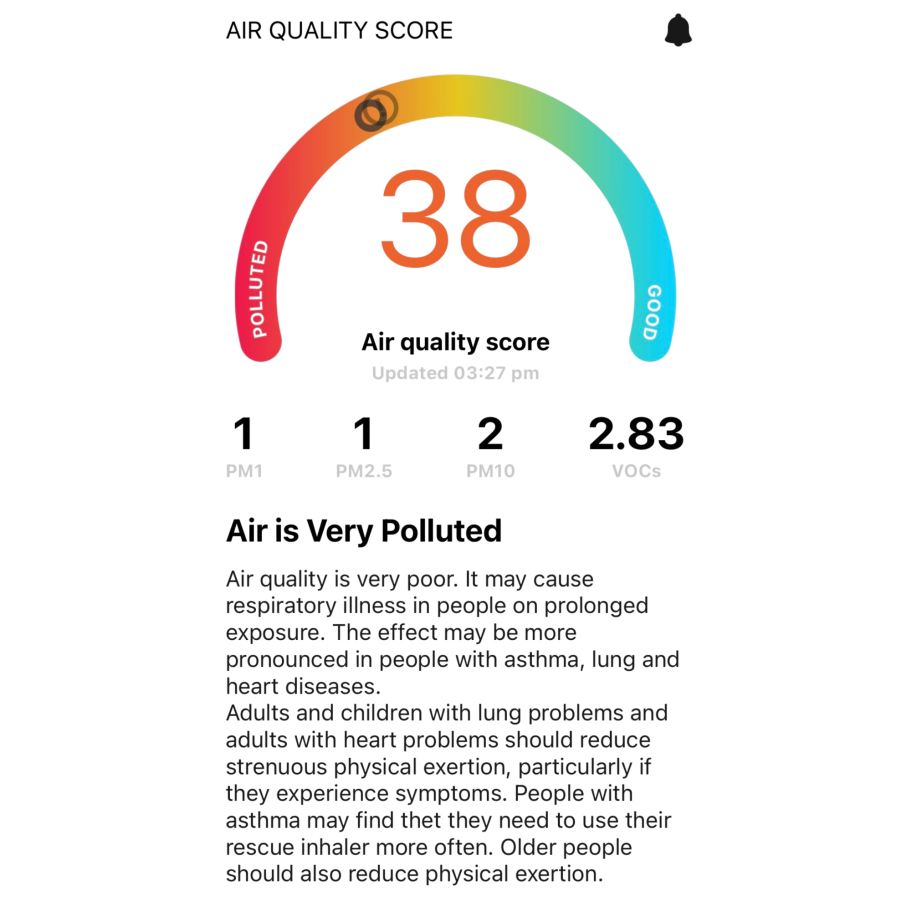
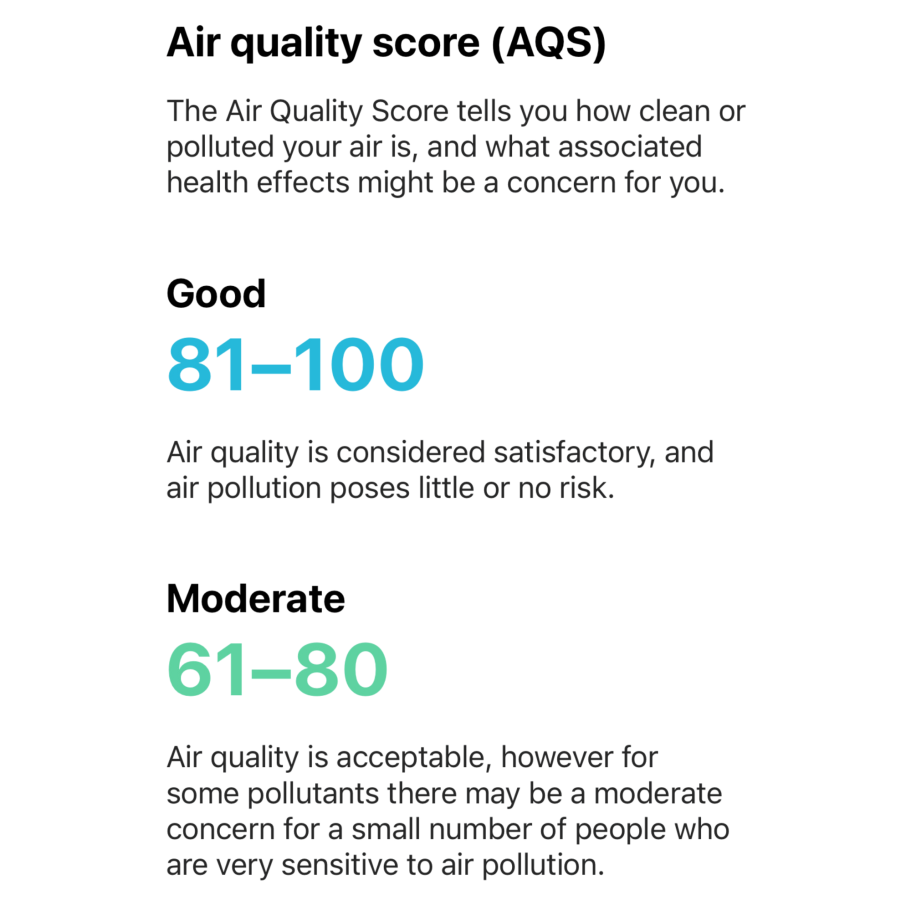
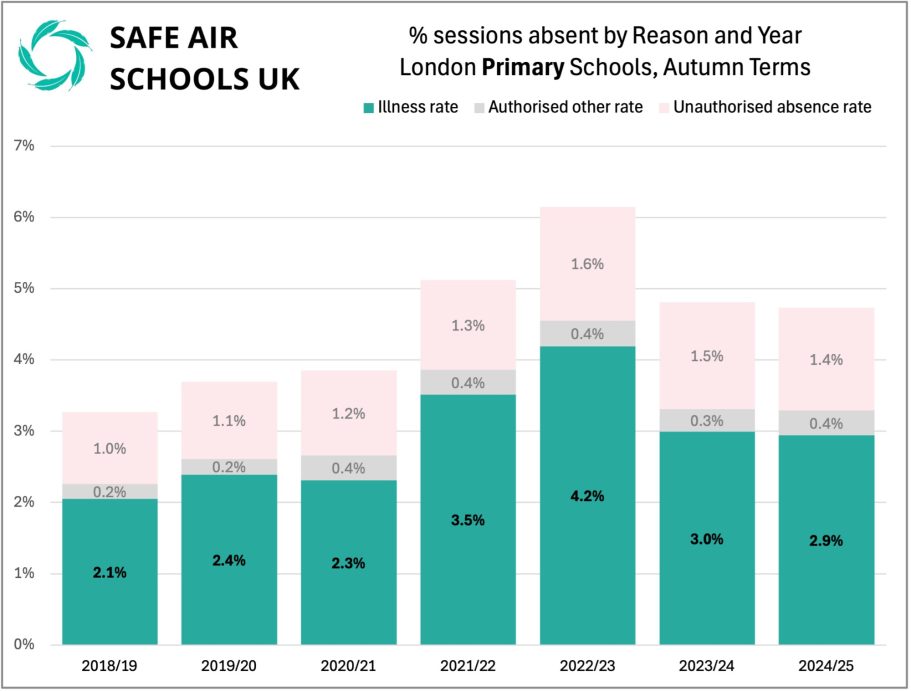
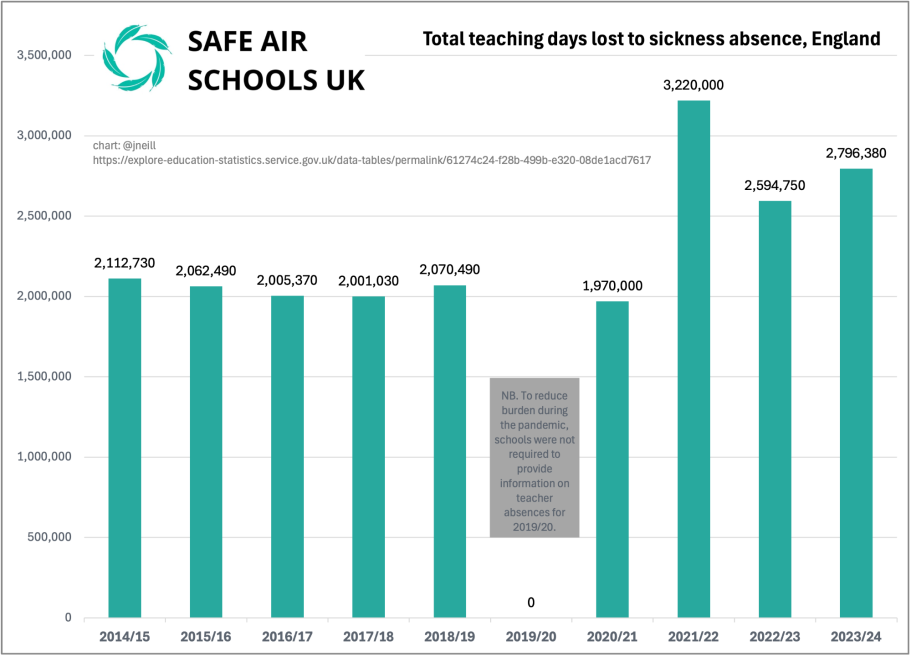
Every piece of data we provide is evidenced and independently verifiable.

Research Repository
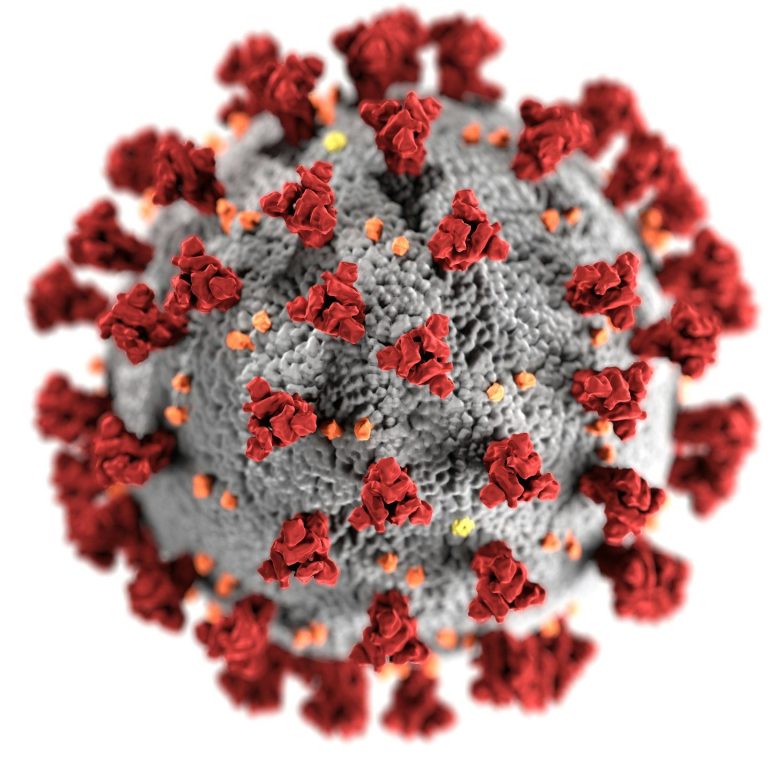
A literature hub for tracking up-to-date scientific information about the 2019 novel Coronavirus. LitCovid is the most comprehensive resource on the subject, providing a central access to 489,475 (and growing) relevant articles in PubMed. The articles are updated daily and are further categorised by different research topics and geographic locations.


Donate to Support Safe Air Schools
Community Interest Company No. 16405838. Registered Office: Southgate Chambers, 37 Southgate Street, Winchester, Hampshire. England, SO23 9EH
©2026 Safe Air Schools UK CIC