
.
Safeguarding
every child's right to
breathe healthy
classroom air


Safe Air Schools is a grassroots, parent-led organisation dedicated to improving air quality in schools and playgrounds across the UK. Working alongside experts and a national coalition united by a shared purpose, we champion practical, evidence-based solutions that help create healthier, safer and more inclusive learning environments for all children and the staff who care for them.
Contributed to the National Allergy Strategy through the indoor/outdoor air quality working group

Founding signatory of the Global Pledge for Healthy Indoor Air, launched at the United Nations in New York
Asthma and air quality contribution to the Department for Education Statutory Allergy Guidance

Why Indoor Air Quality Matters
Children spend thousands of hours each year inside school buildings. Yet the air they breathe can contain pollutants, allergens and airborne pathogens that affect health, well-being, attendance, concentration and learning.
Good indoor air quality is not a luxury, it's the foundation for health and inclusive education.
Evidence-based improvements can reduce the spread of illness while creating learning environments where everyone can thrive.
What We Do
Improving indoor air quality requires collaboration. We work across education, public health and policy to help schools make informed decisions that protect the health and well-being of children and staff.
Our work includes:
- Advocating for policy change that places healthy indoor environments at the heart of education.
- Raising awareness of the importance of clean air in schools, promoting simple, practical short-, medium-, and long-term solutions that deliver lasting improvements.
- Empowering parents and educators to understand indoor air quality and take effective action.
- Bringing together experts, researchers and organisations to share knowledge and strengthen collaboration.
- Supporting schools and communities with practical, evidence-based guidance and solutions.
Practical Solutions
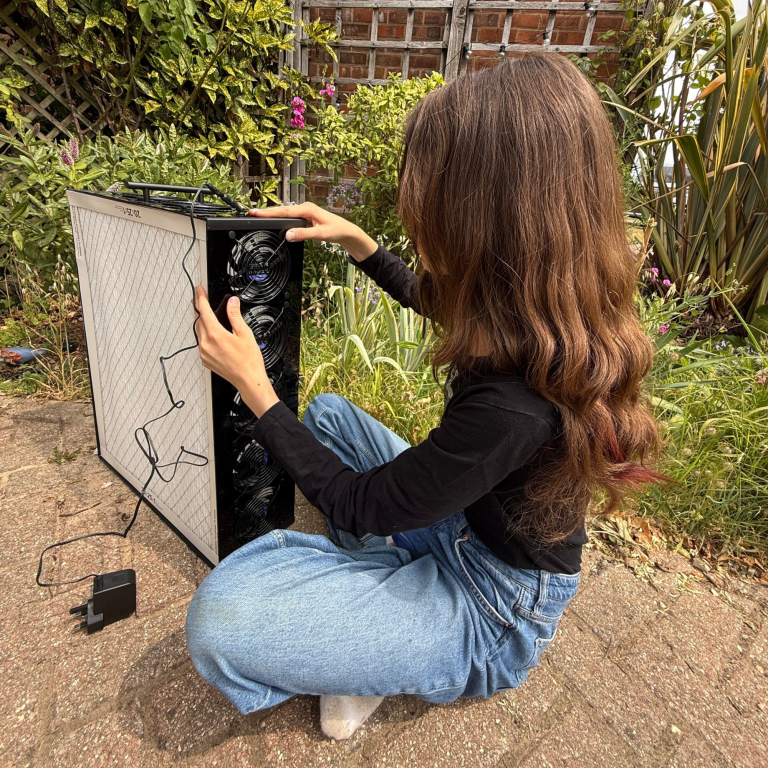
Safe Air Schools supports a whole-school approach to air quality, promoting practical, evidence-based solutions for inclusive, equitable and sustainable education, showing that healthier learning environments are both essential and possible. Every action counts.

Resources
Safe Air Schools shares tried-and-tested, relevant resources that have been instrumental in facilitating conversations and driving progress in our founding county, nationally and beyond.
Resources, guidance, evidence; downloads

Local Action: Hampshire
Our founding county is a blueprint for community action, and our website is a living, regularly updated online resource, sharing guidance and proven practical resources to spark conversations and support decision-makers in creating healthier, safer and more inclusive learning environments.

National Impact
National Allergy Strategy Involvement
National Policy Contributions
International Engagement

Community and Collaboration
Working together for safer schools.
We collaborate with children, charities, schools, parents, researchers, organisations and experts to help create healthier learning environments nationwide.

Community Interest Company
Safe Air Schools is a not-for-profit social enterprise, registered as a Community Interest Company in the UK. This means that any profit is reinvested solely for the benefit of our community.
Our latest news
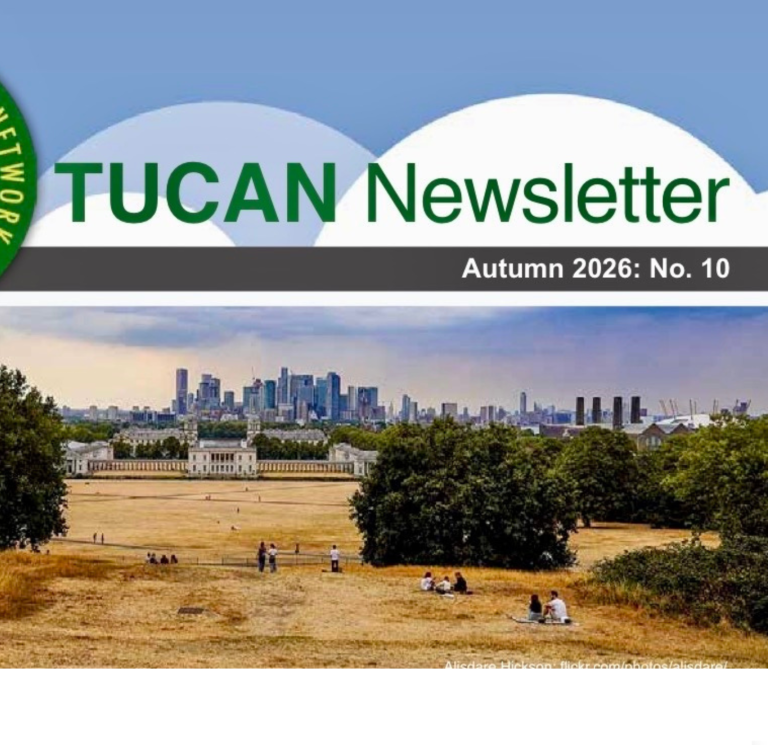
Safe Air Schools and the Trade Union Clean Air Network (TUCAN)
September 2026
TUCAN highlights Safe Air Schools' Contribution to Allergy Safety Guidance in their latest newsletter

National Allergy Strategy Launch
July 2026
Our founder was invited to the launch of the National Allergy Strategy at the Palace of Westminster, in recognition of her contribution to the strategy's indoor and outdoor air (respiratory) working group.
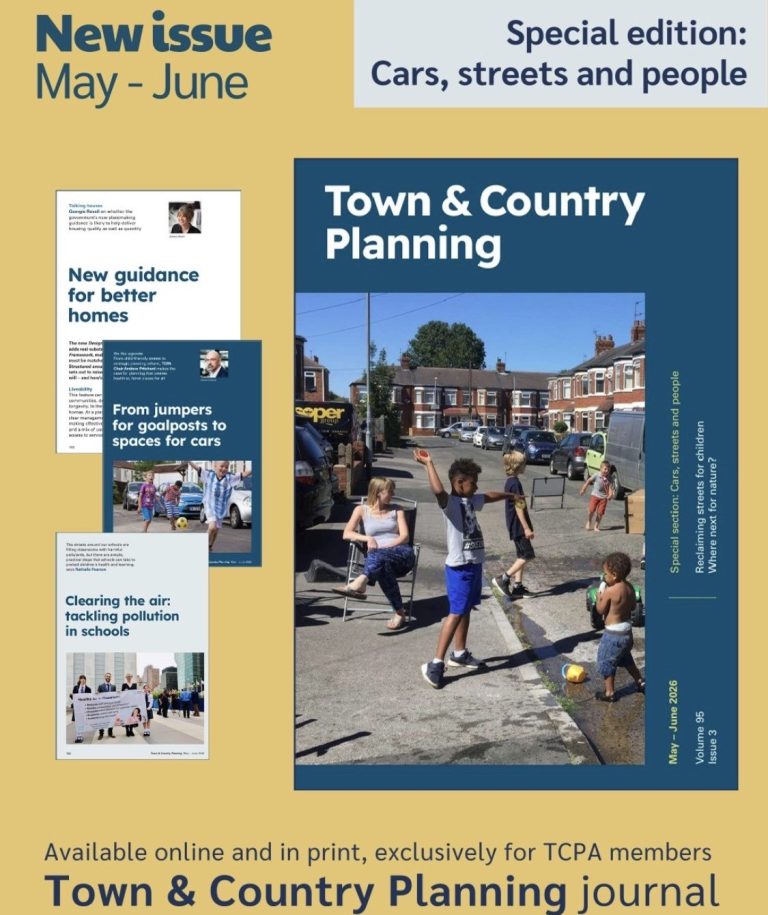
Commissioned to Write for the TCPA Journal
May 2026
We are honoured that our founder, Nathalie, was commissioned by the Town and Country Planning Association to write a feature for its special edition, Cars, Streets, and People, helping bring evidence and practical insight on healthy indoor air in schools to a national audience.
Statutory Guidance
Invited to contribute to the evidence and consultation informing England's updated statutory guidance on Allergy Safety in Schools.

Contribution to The Discussion
Safe Air Schools was invited to contribute to an iPaper article on heatwaves, sharing insights into the impact of overheating in schools.
Open Letter
Safe Air Schools sends an open letter to the four nations' education ministers and children's commissioners gaining national support.

Hampshire Press Article
'Hampshire schools deserve clean air in classrooms'. A local press article sharing how Safe Air Schools began.
87%
of Britain's schools are in toxic neighbourhoods
12 million children at risk
Clean Air
is a core asthma control measure
Department for Education Statutory Guidance
86%
of new school sites are planned in areas that breach all three WHO air pollution targets



Donate to Support Safe Air Schools
Community Interest Company No. 16405838. Registered Office: Southgate Chambers, 37 Southgate Street, Winchester, Hampshire. England, SO23 9EH
©2026 Safe Air Schools UK CIC