
Now Next Future
.
.
To improve classroom air quality, we can take immediate steps, implement measures over the short and medium-term, and continue striving toward longer-term goals

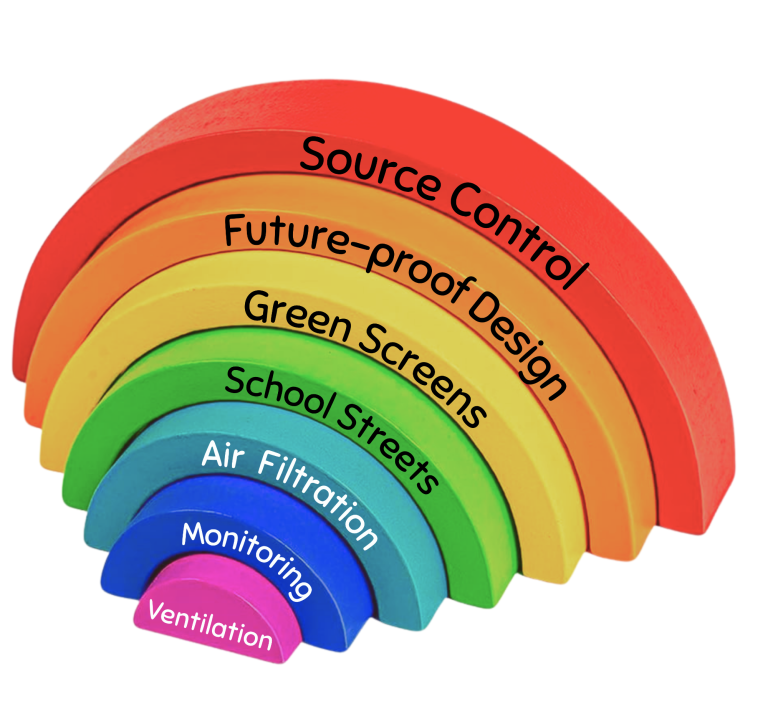
Many steps to improving air quality inside classrooms cost little or nothing, and some are perfect for involving students. Every action, no matter how small, contributes to meaningful change. Funding is urgent and necessary, but children and staff can not wait. Change can begin today.
Immediate Steps and Quick Wins
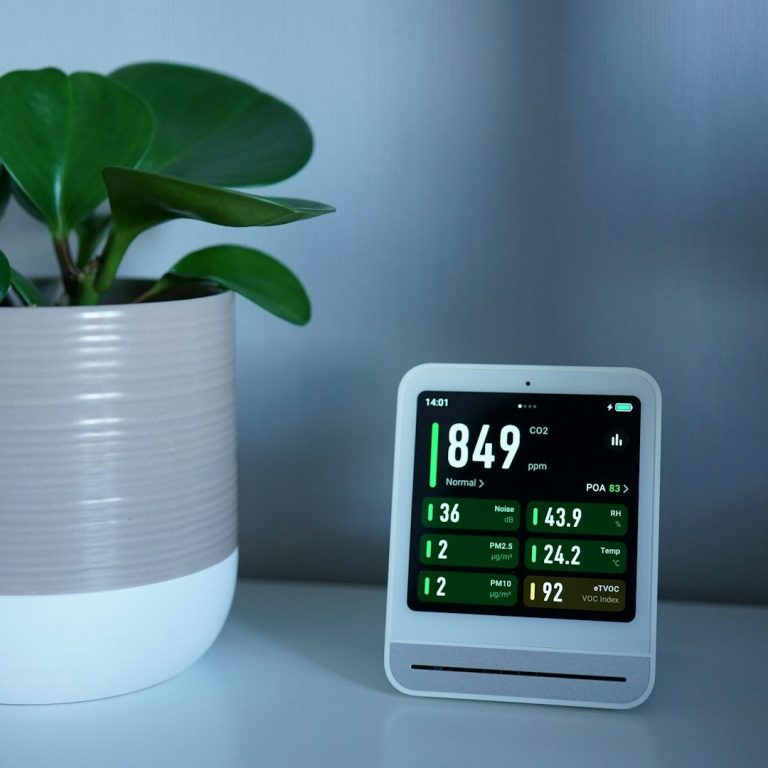
Monitor Classroom Air Quality and Complete a Workplace Ventilation Audit
DfE guidance and statutory guidance include monitoring. Review the guidance and gain a better understanding of monitoring.
As part of the workplace risk assessment, regularly monitor and record CO2 levels and air quality data in all areas, including classrooms and changing rooms. This data can be used to inform investment and policy updates.
Ventilate
DfE guidance and statutory guidance include ventilation. Review the guidance
- Review current DfE ventilation guidance and ensure staff understand how to apply it.
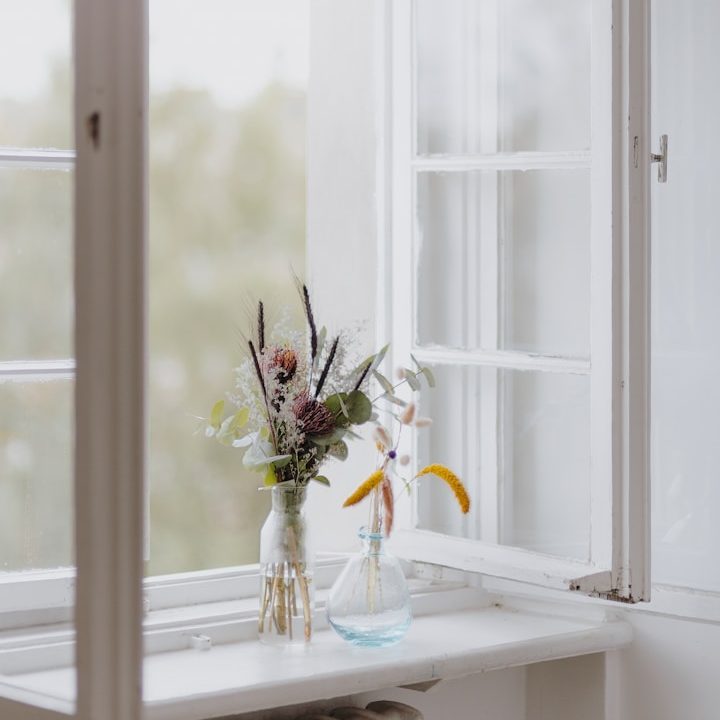
- Fully open windows and doors before pupils arrive, during breaks and after school where safe to do so.
- Use cross-ventilation by opening windows or doors on opposite sides of the room to allow air to flow through.
- Open high-level windows first to reduce cold drafts.
- Keep internal doors open where fire safety and safeguarding permit.
- Open trickle vents or ventilation grilles where fitted.
- Position desk or pedestal fans near open windows to draw in air from outside.
- Set a maximum occupancy for smaller rooms.
- Where mechanical ventilation is in place, ventilation should begin ahead of the working day, ending after it finishes.
- Ensure staff understand how to balance ventilation, comfort and energy efficiency throughout the year.
Lower temperatures and windier conditions will usually increase natural ventilation through openings. Partially opening windows and doors can still provide adequate ventilation.
Outdoor air quality should be considered. During periods of high outdoor pollution, natural ventilation may need to be balanced with filtration or mechanical ventilation to maintain healthy indoor air.
Source Control & Behavioural Methods
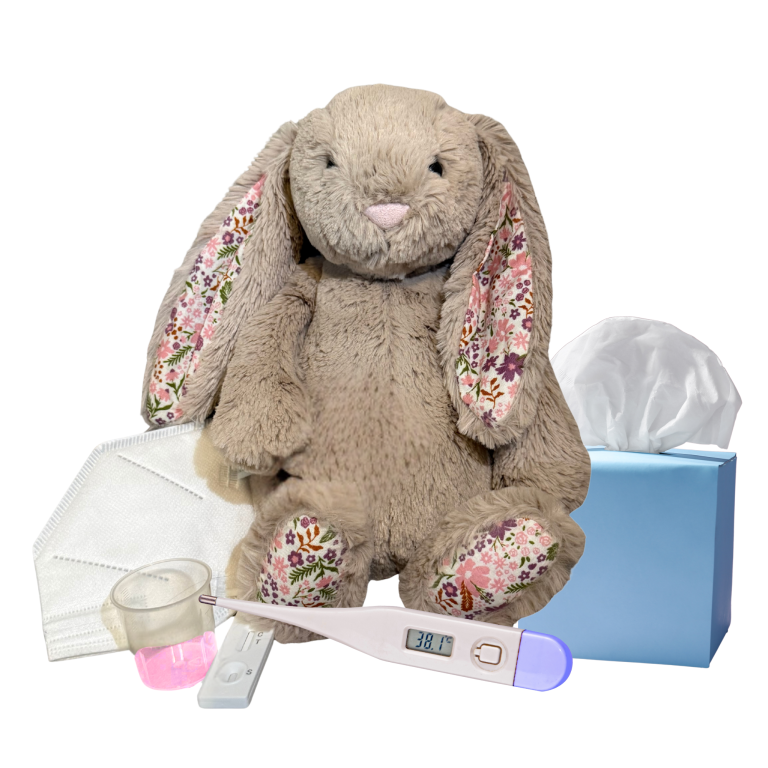
- Encourage children and staff to stay at home when unwell.
- Do not overcrowd classrooms.
- Avoid air fresheners and use unscented cleaning products; minimise the use of spray or aerosol cleaners and encourage fragrance-free toiletries.
- Place photocopiers and printers that produce particulates and VOC's outside the classroom.
- Declutter and damp wipe surfaces.
- Remove carpets and upholstered furnishings where possible.
- Vacuum cleaners can release and resuspend dust, which contains allergens, triggering symptoms. Use a high-filtration vacuum cleaner with a HEPA filter.
- Dehumidifiers can help maintain indoor humidity between 40-60% inside classrooms, which is essential for preventing mould growth and dust mite reproduction
Immediate Maintenence
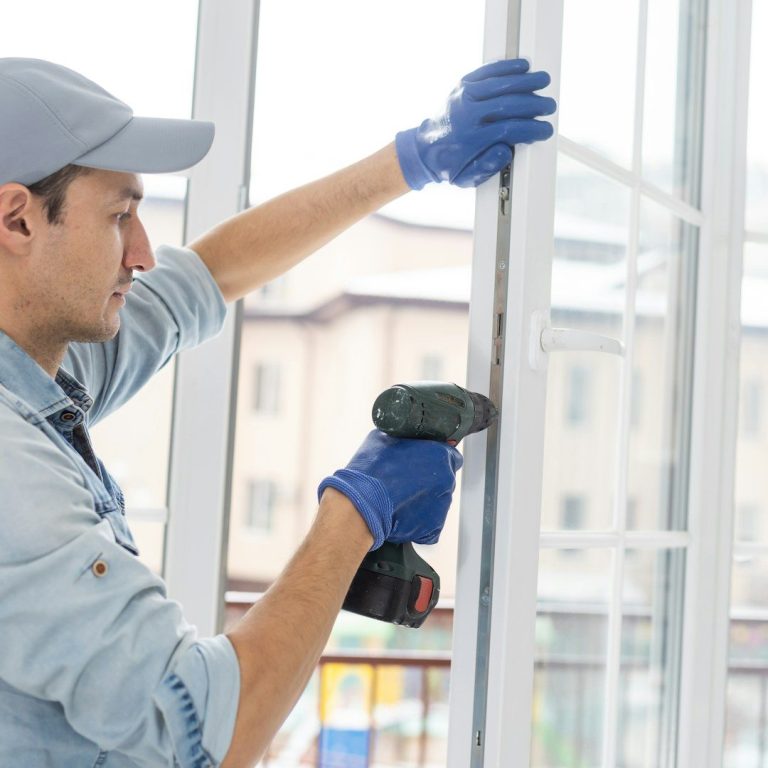
- Check that windows function, and check doors and vents for blockages or damage. Check that air bricks are not obstructed.
- Clean or replace existing filters regularly.

Temporary Room Evacuation
Where CO2 levels consistently exceed the recommended levels, reduce the number of children in the room and improve ventilation.

From playgrounds to
corridors and classrooms,
every child deserves to breathe clean air in
the place that
shapes their future

Short-term
Actions
Install air filters
Install portable air filters where CO2 levels cannot be reliably maintained below 800ppm in naturally ventilated spaces
Learn more about air filtration.
Review policies and procedures
Create clear guidance on ventilation and filter use.
Develop regular cleaning, maintenance and monitoring protocols.
Education
Educate staff and pupils on pollution sources, indoor air quality and monitoring.
Empower children to assist education staff in the short-term.
Adaptation
Use outdoor learning or larger spaces if necessary and where air quality allows.

Medium-term Actions
Upgrade ventilation infrastructure and air quality monitoring
Install mechanical ventilation with heat recovery or upgrade existing systems.
Install an air quality monitor in each classroom, with the capability to link all devices to a centralised system. Display real-time air quality data on a single screen. Publicise data on the school's website.
Air quality surrounding schools
Support "school streets" or reduced traffic zones near entrances, and anti-idling.
Green infrastructure and outdoor spaces
Create outdoor learning areas for use when indoor air is poor.
Use green infrastructure such as hedges, green screens and plants.
Active Travel
Support walking buses, cycle buses, bike-to-school days and safe routes to school programmes.
Survey asbestos
If asbestos is present, the survey should be reviewed at least every 6-12 months.
Monitor Radon
Assess the average indoor concentration of Radon annually

Longer-term
Actions
Design schools with air quality in mind
Build or retrofit schools to meet or exceed WHO air quality guidelines.
Policy and regulatory engagement
Work with education authorities to strengthen air quality standards.
Advocate for minimum IAQ metrics (max CO2, infection risk, pollutant levels).
Nationwide Air Quality Monitoring
Share air quality and CO2 monitor data publicly.
Inspire climate action
Support Zero Carbon Schools and similar programmes to reduce emissions and build awareness.

Donate to Support Safe Air Schools
Community Interest Company No. 16405838. Registered Office: Southgate Chambers, 37 Southgate Street, Winchester, Hampshire. England, SO23 9EH
©2026 Safe Air Schools UK CIC