
.
.
.
Climate Change and Indoor Air
Climate change is worsening indoor air quality. Rising temperatures, more frequent heatwaves, and changing humidity help some viruses survive longer and spread more easily indoors. Warmer, more humid conditions also increase dust mites - major triggers for asthma and allergies - while longer, earlier pollen seasons increase children’s exposure to allergens at school. More frequent storms and flooding lead to damp and mould, especially in older or poorly ventilated schools. The increases in damp, mould, dust mites, pollen, and outdoor particulate pollution all elevate indoor pollutant levels, increasing respiratory illness and allergy flare-ups.
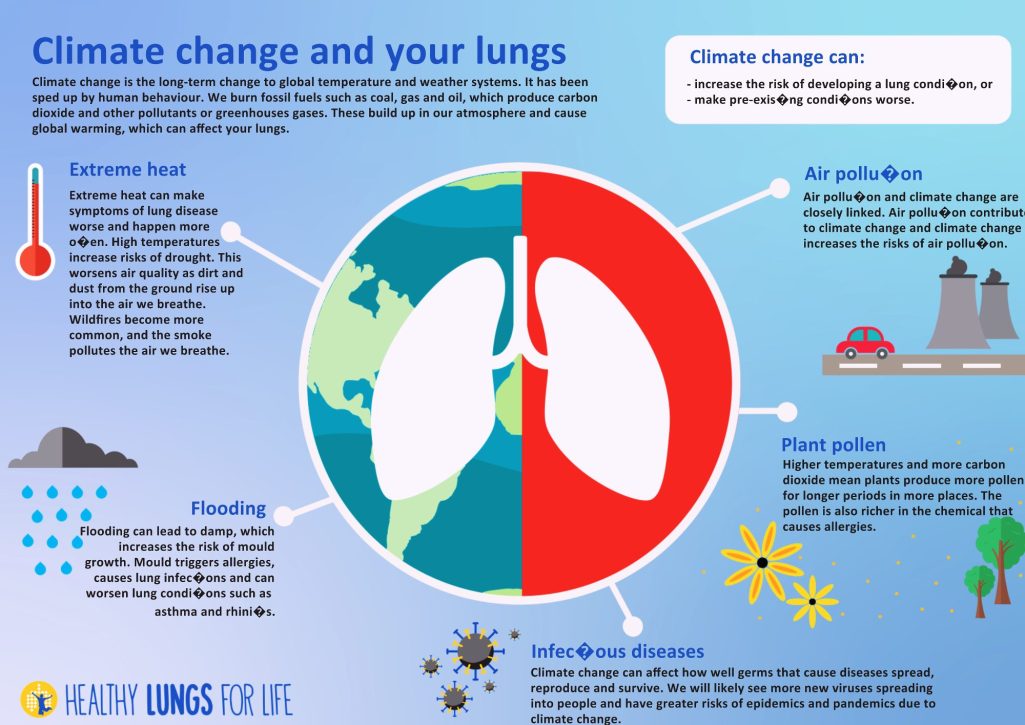
Air pollution and climate change are closely interconnected, and both have significant impacts on nature.
Common Sources
Many sources of air pollution, such as the burning of fossil fuels (coal, oil, and gas), also release greenhouse gases such as carbon dioxide and methane. These pollutants contribute to both air pollution and climate change.
By tackling air pollution, we can make significant strides in combating climate change and protecting nature, delivering a win for both public health and the environment.
Health and Ecosystems
Pollutants such as particulate matter and ground-level ozone are known to cause respiratory and cardiovascular diseases They also harm plants, animals, and entire ecosystems, reducing biodiversity and disrupting natural habitats.
Image Credit: Mothers Rise Up. A life-sized flooded playground outside a high-profile conference in London

Feedback Loops
Climate change can exacerbate air pollution. For example, higher temperatures can increase the formation of ground-level ozone, a harmful pollutant. Additionally, climate change can lead to more wildfires, which release large amounts of particulate matter and other pollutants into the air.
Climate Impact
Air pollutants like black carbon (a component of fine particulate matter) absorb sunlight and warm the atmosphere. When they land on snow and ice, they reduce reflectivity, accelerating glacial melt and contributing to global warming.
Mitigation Strategies
Addressing air pollution can also help mitigate climate change. Reducing emissions from vehicles, industries, and energy production not only improves air quality but also decreases greenhouse gas emissions, benefiting both human health and the environment.
Managing Heat
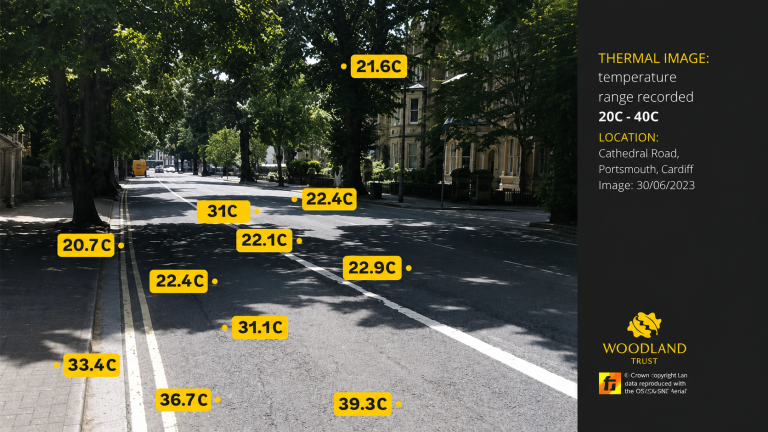
Heat causes pollutants from vehicles, power plants and other sources to react forming ground-level ozone. This can make it harder to breathe. On hot days check your local air quality before spending long periods outdoors.

"As the world continues to get warmer, there will be an increased likelihood of extreme weather events, including heatwaves. During these periods of high pressure, airflow is reduced and air pollutants such as dust, viruses and pollen will build up indoors.
Climate change will also bring more extreme storminess. On windier days, our indoor air can become stagnant, as people tend to close more windows; mould spores can then become an additional concern, alongside the enhanced spread of airborne viruses.
Indoor air quality needs addressing in a more holistic way, rather than simply relying on individuals opening windows and doors to enhance ventilation; this is of particular concern in places with high concentrations of people (e.g. schools) or where people are at their most vulnerable (e.g. hospitals and care homes)."
Dr Ben King (BSc) Hons PhD PGCE
UN-Accredited Climate Change Teacher
Image: Safe Air Schools planting trees